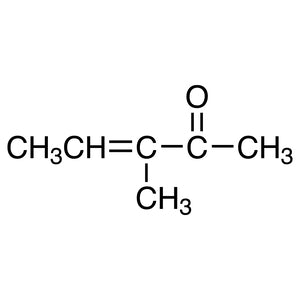
TCI M1139 3-Methyl-3-penten-2-one is an alpha,beta-unsaturated ketone, meaning a compound whose carbonyl group sits directly adjacent to a carbon-carbon double bond. This arrangement creates a conjugated system that underlies one of the most important reactivity patterns in organic chemistry. The molecule also carries an additional methyl group on the alpha carbon, which gives it a reactivity profile distinct from that of simple enones. In the laboratory, compounds of this class serve as electrophilic acceptors used to extend carbon chains and to build more elaborate molecular frameworks in a predictable manner.
The principal property of this material is its ability to act as a Michael acceptor. Nucleophiles such as enolates, amines, and thiols can attack at the beta position, forming new carbon-carbon or carbon-heteroatom bonds while leaving the ketone group intact for subsequent transformations. The conjugated system also allows the compound to participate as a dienophile in cycloaddition reactions, and it serves as a substrate for selective reduction and for organometallic addition. The methyl group at the alpha position introduces moderate steric hindrance, so reaction selectivity is often better than with unsubstituted enones.
In Indonesian laboratories, this building block is typically used in synthetic organic chemistry groups at universities and research institutes, as well as in industrial R&D units developing fine chemicals and specialty intermediates. It is generally handled as part of small-scale bench synthesis, method development, and the preparation of reference compounds, where a reliable electrophilic acceptor is needed to assemble target skeletons step by step under controlled conditions.
- Michael addition reactions — the conjugated enone system accepts nucleophiles such as enolates, amines, and thiols at the beta position, delivering new bonds cleanly and predictably.
- Carbon chain extension — the electrophilic acceptor character allows chemists to lengthen carbon skeletons in a controlled way while preserving the ketone for further work.
- Cycloaddition chemistry — the conjugated double bond enables the molecule to serve as a dienophile, giving access to ring systems that would otherwise require longer routes.
- Selective reduction studies — the presence of both a carbonyl group and an adjacent double bond makes this compound a useful substrate for testing chemoselective reducing conditions.
- Organometallic addition work — the enone framework reacts with organometallic reagents, and the alpha methyl group provides steric control that often improves the selectivity observed.
| Brand | TCI |
|---|---|
| CAS number | 565-62-8 |
| Molecular formula | — |
| Purity | — |
| Category | Chemistry > Building Blocks > Non-Heterocyclic Building Blocks |
| Pack sizes | available in standard TCI research-scale packaging; please confirm the size offered for this catalogue number |
| Physical form | organic liquid reagent (alpha,beta-unsaturated ketone) |
| Storage | keep tightly closed in a cool, dark place as directed on the manufacturer's label |
Store this reagent in a cool, dark, and well-ventilated location, keeping the container tightly closed to limit exposure to air and moisture. The original manufacturer's bottle is the most suitable container; if transfer is required, use clean glassware compatible with organic solvents and label it clearly. Handle inside a fume hood, wear gloves, safety goggles, and a laboratory coat, and keep the material away from heat, open flames, and strong oxidising agents. As with any reactive unsaturated ketone, avoid contact with skin and eyes, and consult the supplier's safety data sheet before first use and before any change in handling procedure.
—
Produk Terkait
-
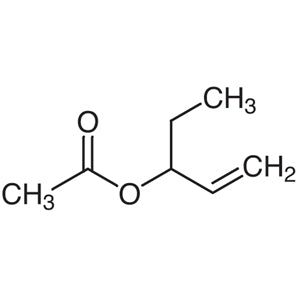
1-Penten-3-ylAcetate TCI A1542
Regular price Rp 2.306.850,00Regular price -
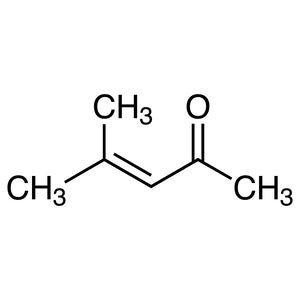
4-Methyl-3-penten-2-one(contains4-Methyl-4-penten-2-one) TCI M1340
Regular price From Rp 477.750,00Regular price -
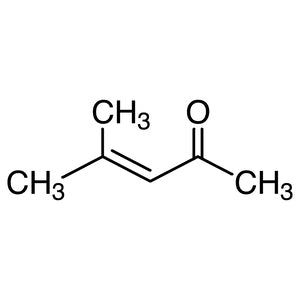
4-Methyl-3-penten-2-one TCI M0069
Regular price From Rp 637.350,00Regular price -
4-Penten-2-ol TCI P1804
Regular price From Rp 1.326.150,00Regular price -
2-Phenyl-4-penten-2-ol TCI P1330
Regular price Rp 3.155.250,00Regular price -
4-Penten-1-ol TCI P1243
Regular price From Rp 4.001.550,00Regular price -
cis-2-Penten-1-ol TCI P1199
Regular price From Rp 1.590.750,00Regular price -
1-Penten-3-ol TCI P1043
Regular price From Rp 823.200,00Regular price