1-Penten-3-ol (TCI P1043) is a small secondary allylic alcohol with a terminal vinyl group next to its hydroxyl group. This simple structure makes it a versatile building block in organic synthesis. The carbon atom that carries the OH group is also a chiral centre, so the compound is often used in studies of asymmetric reactions and kinetic resolution. In the laboratory, it is used as a small, well-defined substrate for building larger molecules and for exploring new synthetic methods.
Researchers choose 1-Penten-3-ol because it has two reactive sites, the hydroxyl group and the carbon–carbon double bond, which can be modified separately or together. As an allylic alcohol, it works in many classic and modern reactions. These include directed epoxidation, such as Sharpless epoxidation for kinetic resolution, and sigmatropic rearrangements such as the Claisen and Johnson–Claisen reactions once it has been made into a vinyl ether or ester. It can also be oxidised to an enone or esterified to allylic esters for metal-catalysed allylic substitution. Because the molecule is small, its reaction products are easy to analyse.
In Indonesian laboratories, this product is useful for research groups working in organic synthesis, catalysis and flavour chemistry. University chemistry departments and research institutes can use it as a model substrate when developing or teaching asymmetric methods, testing new catalysts, or studying stereoselective transformations. Because it is also known as a component of the volatile aroma compounds in some foods, it is relevant to food science and flavour research groups studying aroma profiles.
- Kinetic resolution studies: the chiral carbinol centre makes 1-Penten-3-ol a suitable substrate for testing and comparing methods that separate enantiomers, including Sharpless-type resolution.
- Directed epoxidation: the allylic hydroxyl group can direct epoxidation of the nearby vinyl group, so the compound works as a model system for studying selectivity in this reaction.
- Sigmatropic rearrangements: once converted to a vinyl ether or ester, the compound can undergo Claisen and Johnson–Claisen rearrangements, which makes it useful for building carbon frameworks.
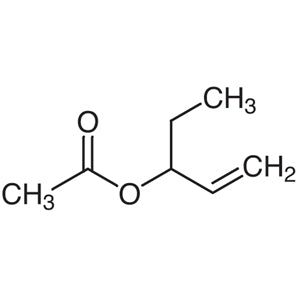
- Metal-catalysed allylic substitution: esterifying the alcohol gives allylic esters that act as practical substrates for evaluating palladium or other metal catalysts in allylic substitution chemistry.
- Flavour chemistry research: because it is known as a component of volatile aroma compounds in some foods, the compound is relevant to flavour and aroma studies in food science laboratories.
| Brand | TCI (product code P1043) |
|---|---|
| CAS number | 616-25-1 |
| Molecular formula | — |
| Purity | — |
| Category | Chemistry > Building Blocks > Non-Heterocyclic Building Blocks |
| Pack sizes | available in the pack sizes listed on the product page |
| Physical form | refer to the TCI product label and certificate of analysis |
| Storage | follow the conditions stated on the TCI label and Safety Data Sheet |
Store 1-Penten-3-ol in its original tightly closed TCI container in a cool, dry, well-ventilated area, away from heat, sparks, open flames and strong oxidising agents. Because it is a small volatile organic compound, handle it in a fume hood and keep containers closed when not in use. Wear suitable personal protective equipment, including safety glasses, chemical-resistant gloves and a lab coat. Avoid breathing vapours and avoid contact with skin and eyes. Always read the Safety Data Sheet before use, and follow your institution's chemical safety and waste disposal procedures.
—
Produk Terkait
-
4-Penten-2-ol TCI P1804
Regular price From Rp 1.326.150,00Regular price -
2-Phenyl-4-penten-2-ol TCI P1330
Regular price Rp 3.155.250,00Regular price -
4-Penten-1-ol TCI P1243
Regular price From Rp 4.001.550,00Regular price -
cis-2-Penten-1-ol TCI P1199
Regular price From Rp 1.590.750,00Regular price -
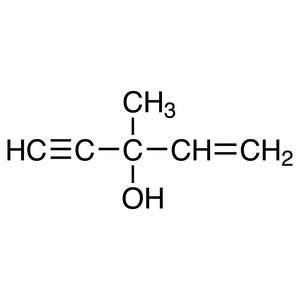
3-Methyl-1-penten-4-yn-3-ol TCI M1312
Regular price Rp 2.068.500,00Regular price -
1-Penten-3-ylAcetate TCI A1542
Regular price Rp 2.306.850,00Regular price -
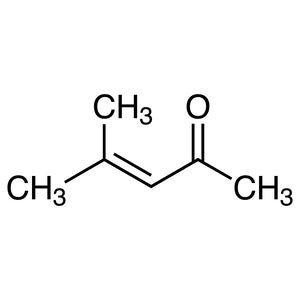
4-Methyl-3-penten-2-one(contains4-Methyl-4-penten-2-one) TCI M1340
Regular price From Rp 477.750,00Regular price -
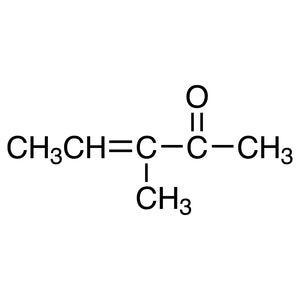
3-Methyl-3-penten-2-one TCI M1139
Regular price From Rp 1.618.050,00Regular price