1-Penten-3-yl Acetate is a versatile organic compound widely used in laboratory settings for the synthesis of complex molecular structures. As a building block in organic chemistry, it serves as a key intermediate in various chemical reactions, enabling the construction of longer carbon chains. Its role is critical in the development of new compounds with specific functional groups and structural characteristics. This compound is commonly utilized in research and development processes where precise chemical modifications are required.
The chemical properties of 1-Penten-3-yl Acetate make it a preferred choice for synthetic chemists. It exhibits stability under controlled conditions and readily reacts with a variety of reagents, making it adaptable to different reaction mechanisms. Its flexible molecular structure allows it to participate in multiple types of reactions, including esterification, hydrolysis, and substitution. These characteristics make it an essential tool for chemists aiming to create novel compounds with tailored properties.
In Indonesian laboratories, 1-Penten-3-yl Acetate is frequently used in organic synthesis research. It is particularly valuable in the production of synthetic compounds that require extended carbon chains. Academic institutions and research centers in Indonesia rely on this compound for the development of new chemical products with applications in pharmaceuticals, cosmetics, and materials science. Its availability and reliability make it a staple in chemical laboratories across the country.
Related TCI products
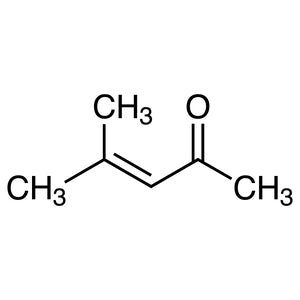
- TCI M1340 141-79-7 4-Methyl-3-penten-2-one (contains 4-Methyl-4-penten-2-one)
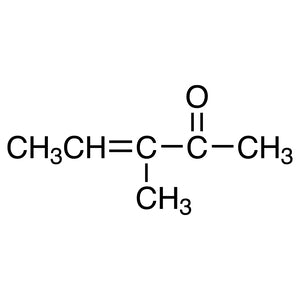
- TCI M1139 565-62-8 3-Methyl-3-penten-2-one
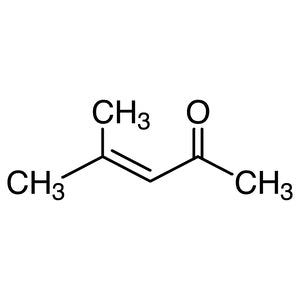
- TCI M0069 141-79-7 4-Methyl-3-penten-2-one
- TCI A0228 123-86-4 Butyl Acetate [for Spectrophotometry]
- TCI A0045 108-05-4 Vinyl Acetate Monomer (stabilized with HQ)
- TCI A0044 109-60-4 Propyl Acetate
- Organic Synthesis: This compound is ideal for creating complex molecules by extending carbon chains and introducing functional groups.
- Esterification Reactions: Its reactive nature makes it suitable for forming ester bonds, a common process in organic chemistry.
- Substitution Reactions: The flexible structure allows it to participate in substitution reactions, enabling the synthesis of diverse compounds.
- Material Science Research: It is used to develop new materials with specific chemical properties, such as polymers and coatings.
- Pharmaceutical Development: Its role in synthesizing compounds with therapeutic potential supports drug discovery and formulation.
| Brand | TCI |
|---|---|
| CAS number | 10500-11-5 |
| Molecular formula | — |
| Purity | — |
| Category | Chemistry > Building Blocks > Non-Heterocyclic Building Blocks |
| Pack sizes | Available in various quantities as per supplier specifications |
| Physical form | Liquid |
| Storage | Store in a cool, dry place away from light and incompatible substances |
1-Penten-3-yl Acetate should be stored in a cool, dry environment to maintain its chemical stability. It is recommended to keep it in a tightly sealed container to prevent exposure to air and moisture. The compound should be stored away from strong oxidizing agents and incompatible materials to avoid potential reactions. Proper ventilation is essential when handling this substance to minimize inhalation risks. Laboratory personnel should wear appropriate personal protective equipment, such as gloves and safety goggles, when working with this compound. Regular inspection of storage conditions ensures the compound remains safe and effective for use in chemical experiments.
—
Produk Terkait
-
4-Methyl-3-penten-2-one(contains4-Methyl-4-penten-2-one) TCI M1340
Regular price From Rp 477.750,00Regular priceRp 333.900,00Sale price From Rp 477.750,00 -
3-Methyl-3-penten-2-one TCI M1139
Regular price From Rp 1.618.050,00Regular priceRp 1.130.850,00Sale price From Rp 1.618.050,00 -
4-Methyl-3-penten-2-one TCI M0069
Regular price From Rp 637.350,00Regular priceRp 445.200,00Sale price From Rp 637.350,00 -
ButylAcetate[forSpectrophotometry] TCI A0228
Regular price Rp 1.538.250,00Regular priceRp 1.075.200,00Sale price Rp 1.538.250,00 -
VinylAcetateMonomer(stabilizedwithHQ) TCI A0045
Regular price Rp 477.750,00Regular priceRp 333.900,00Sale price Rp 477.750,00 -
PropylAcetate TCI A0044
Regular price From Rp 477.750,00Regular priceRp 333.900,00Sale price From Rp 477.750,00 -
PhenylAcetate TCI A0043
Regular price Rp 452.550,00Regular priceRp 316.050,00Sale price Rp 452.550,00 -
n-OctylAcetate TCI A0042
Regular price From Rp 505.050,00Regular priceRp 352.800,00Sale price From Rp 505.050,00