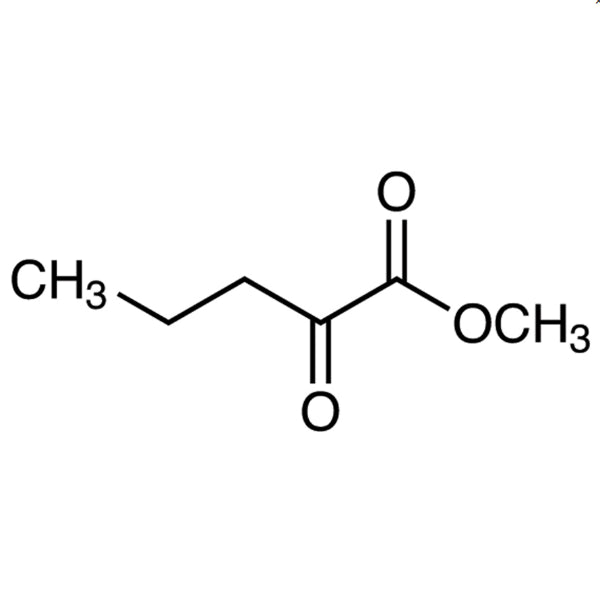
TCI M1863 Methyl 2-Oxovalerate is the methyl ester of 2-oxovaleric acid, an alpha-keto ester built on a short aliphatic chain. The molecule carries two reactive centres positioned next to one another — a ketone group at the alpha position and an ester group — which makes it a versatile synthon in organic chemistry and biochemistry. In the laboratory, alpha-keto esters of this type are widely used as starting materials for constructing amino acids, hydroxy compounds, and heterocyclic rings through addition, reduction, and condensation reactions. Having the material available in ready-to-use form allows researchers to skip an in-house preparation step that normally demands careful handling and time-consuming purification.
The principal appeal of an alpha-keto ester lies in the electrophilicity of its ketone carbonyl, which is reinforced by the ester group directly adjacent to it. This arrangement leaves the ketone group readily open to nucleophilic attack, so reactions proceed at lower temperatures and over shorter reaction times than would be required for an ordinary ketone. The same characteristic makes the compound a favoured substrate in studies of asymmetric reduction and biocatalysis, because the reduction product is a chiral alpha-hydroxy ester of considerable value. The valerate chain contributes the short aliphatic framework that defines the molecule's behaviour in these transformations.
In Indonesian laboratories, materials of this class are typically drawn on by synthetic chemistry and biochemistry groups working on building blocks for further transformation rather than on end products in themselves. Research units in universities, government institutes, and industrial R&D settings use ready-made alpha-keto esters to shorten route development, because obtaining the reagent as a characterised commercial item removes a preparation and purification stage that would otherwise consume significant bench time before the actual study can begin.
- Amino acid synthesis — the alpha-keto ester serves as a direct precursor that can be converted into amino acid structures through addition and condensation chemistry at the activated carbonyl.
- Asymmetric reduction studies — the activated ketone carbonyl reduces cleanly to a chiral alpha-hydroxy ester, making this a favoured model substrate for evaluating stereoselective reduction methods.
- Biocatalysis research — enzymatic reduction of the alpha-keto group produces high-value chiral hydroxy esters, so the compound is routinely employed as a test substrate for biocatalytic systems.
- Heterocyclic ring construction — the two adjacent reactive centres allow ring-forming condensation reactions, giving synthetic chemists a convenient entry point into heterocyclic scaffolds.
- General synthetic building block — as a versatile synton, it supports addition, reduction, and condensation sequences that build hydroxy compounds and other functionalised intermediates from a short aliphatic chain.
| Brand | TCI |
|---|---|
| CAS number | 6376-59-6 |
| Molecular formula | — |
| Purity | — |
| Category | Life Science > Biochemicals and Reagents > Lipids |
| Pack sizes | available in standard TCI catalogue pack sizes; please confirm the packaging option when ordering |
| Physical form | — |
| Storage | store according to the conditions stated on the manufacturer's label and safety data sheet |
- Product Code: M1863
Store the container tightly closed in a cool, dry, well-ventilated area away from direct sunlight, heat sources, and incompatible materials, following the conditions given on the manufacturer's label and safety data sheet. Keep the material in its original supplier packaging or in a chemically compatible, clearly labelled container, and reseal it promptly after each use to limit exposure to air and moisture. Handle the compound in a fume hood using appropriate personal protective equipment, including safety glasses, gloves, and a laboratory coat. Record opening dates for stock management, avoid cross-contamination when sampling, and dispose of residues and empty containers in line with applicable laboratory waste procedures.
—
Produk Terkait
-
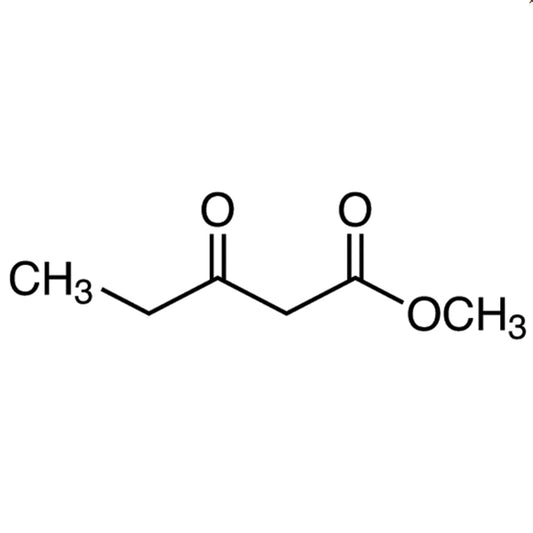
Methyl3-Oxovalerate TCI K0035
Regular price From Rp 1.035.300,00Regular price -
Ethyl3-Oxovalerate TCI K0031
Regular price From Rp 1.298.850,00Regular price -
IsoamylIsovalerate TCI I0196
Regular price From Rp 769.650,00Regular price -
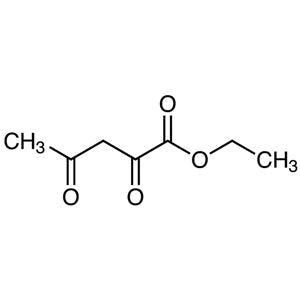
Ethyl2,4-Dioxovalerate TCI R0165
Regular price From Rp 1.565.550,00Regular price -
Ethyl4,4,5,5,5-Pentafluoro-3-oxovalerate TCI P1062
Regular price Rp 2.730.000,00Regular price -
Methyl4,4-Dimethyl-3-oxovalerate TCI P1031
Regular price From Rp 3.075.450,00Regular price -
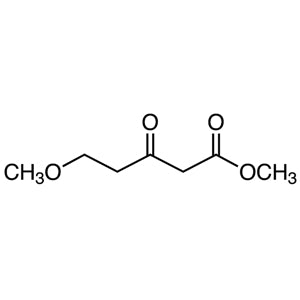
Methyl5-Methoxy-3-oxovalerate TCI M0812
Regular price Rp 4.849.950,00Regular price -
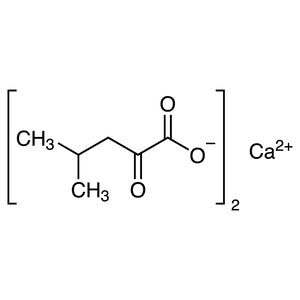
Calcium4-Methyl-2-oxovalerate TCI K0023
Regular price From Rp 2.942.100,00Regular price