Ethyl 4,4,5,5,5-Pentafluoro-3-oxovalerate from TCI is a fluorinated β-ketoester with a pentafluoroethyl (C2F5) group next to the ketone carbonyl. Organic synthesis laboratories use it as a building block to add a perfluoroalkyl group to target molecules. It is especially useful for making fluorinated heterocycles such as pyrazoles, pyrimidines and isoxazoles, which are widely studied in medicinal chemistry, agrochemistry and materials science. Because the fluorinated group is already part of the molecule, researchers can build fluorinated structures without direct fluorination, which is difficult and hazardous.
Chemists choose this compound because it combines two useful features in one reagent. First, the β-ketoester framework has an active methylene carbon between two carbonyl groups. This carbon is easy to deprotonate, so the compound can take part in condensation, alkylation and cyclization reactions with hydrazines, amidines or hydroxylamine. Second, the pentafluoroethyl group is strongly electronegative and lipophilic. It can change the acidity, metabolic stability and solubility of the final product. This mix of reliable reactivity and fluorine effects makes it attractive to researchers designing new molecules with specific properties.
In Indonesian laboratories, this reagent is mostly used in university organic chemistry research groups, pharmaceutical and agrochemical R&D facilities, and materials science laboratories that study fluorinated compounds. Graduate students and researchers often use it in multi-step synthesis projects, structure–activity relationship studies and methodology development, where a ready-made fluorinated building block saves time and reduces risk. Its TCI origin gives laboratories a consistent, well-documented source for routine research and for experiments that need reproducible results.
TCI brochures (PDF)
- Fluorous Chemistry 2025-01-21 · p. 7
- Fluorination Reagents, Fluorinated Building Blocks 2026-03-18 · p. 54
Related TCI products
- Synthesis of fluorinated pyrazoles: the compound reacts with hydrazines through its β-ketoester framework, giving pyrazole rings that carry a pentafluoroethyl group, which are important scaffolds in medicinal chemistry research.
- Preparation of fluorinated pyrimidines: when condensed with amidines, the active methylene and carbonyl groups close into pyrimidine rings, giving researchers access to perfluoroalkylated heterocycles for bioactivity studies.
- Construction of fluorinated isoxazoles: cyclization with hydroxylamine uses both carbonyl functions to form isoxazole rings, making this reagent an efficient route to fluorine-containing five-membered heterocycles.
- Alkylation and condensation chemistry: the easily deprotonated methylene carbon allows controlled carbon–carbon bond formation, so chemists can grow molecular frameworks while keeping the C2F5 group in place.
- Property tuning in drug and agrochemical design: adding the strongly electronegative, lipophilic pentafluoroethyl group lets researchers study its effect on acidity, metabolic stability and solubility of candidate molecules.
| Brand | TCI (product code P1062) |
|---|---|
| CAS number | 663-35-4 |
| Molecular formula | — |
| Purity | — |
| Category | Chemistry > Building Blocks > Fluorinated Building Blocks |
| Pack sizes | see the available options on this product page |
| Physical form | refer to the supplier's Certificate of Analysis and Safety Data Sheet |
| Storage | follow the conditions stated on the TCI label and Safety Data Sheet |
Keep this fluorinated β-ketoester in its original, tightly closed container in a cool, dry, well-ventilated place, away from heat, ignition sources, moisture, and strong bases or oxidizers. Always follow the storage conditions on the TCI label and Safety Data Sheet. Handle the material in a fume hood and wear suitable gloves, safety glasses and a laboratory coat. Do not inhale vapors or let the material touch your skin or eyes. Reseal containers right after use, label secondary containers clearly, and dispose of waste according to institutional and local regulations for halogenated organic chemicals.
—
Produk Terkait
-
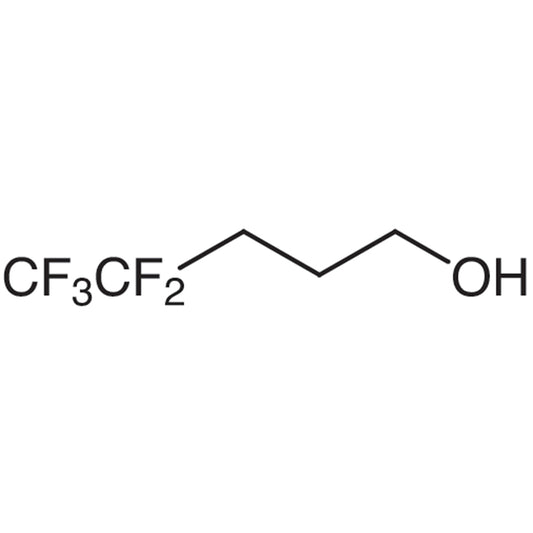
4,4,5,5,5-Pentafluoro-1-pentanol TCI P1342
Regular price From Rp 1.856.400,00Regular price -
2,2,3,3,3-Pentafluoro-1-propanol TCI P0845
Regular price Rp 1.696.800,00Regular price -
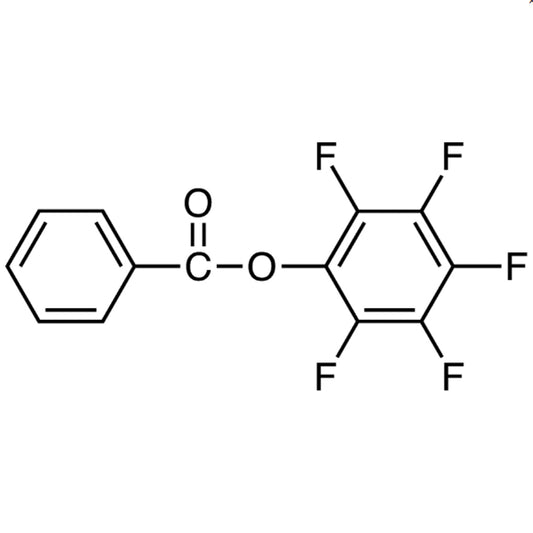
PentafluorophenylBenzoate TCI P2229
Regular price From Rp 1.326.150,00Regular price -
PentafluorophenylaceticAcid TCI P1004
Regular price Rp 1.590.750,00Regular price -
Pentafluorobenzonitrile TCI P0935
Regular price From Rp 1.035.300,00Regular price -
1-(Pentafluorophenyl)ethanol TCI P0925
Regular price Rp 1.670.550,00Regular price -
PentafluorobenzoicAcid TCI P0806
Regular price From Rp 795.900,00Regular price -
Pentafluorobenzaldehyde TCI P0746
Regular price From Rp 2.227.050,00Regular price