Pentafluorophenylacetic Acid (PFPA) is a chemical compound widely used in organic reactions for the synthesis of complex molecules. As a fluorinated building block, it plays a crucial role in laboratories where the development of specialized compounds is required. Its unique structure, featuring multiple fluorine atoms, makes it an essential reagent in various synthetic pathways. PFPA is particularly valuable for its ability to participate in substitution reactions, coupling reactions, and carbon activation processes. Its versatility allows chemists to create molecules with specific properties, such as high reactivity or polarity, depending on the desired outcome of the synthesis.
The chemical properties of PFPA, especially the presence of highly electronegative fluorine atoms, contribute to its stability and reactivity. These characteristics make it a preferred choice for applications requiring controlled chemical behavior. The fluorinated structure also enhances the molecule’s solubility in organic solvents, facilitating its use in a wide range of synthetic procedures. This solubility, combined with its reactivity, ensures that PFPA remains a key component in modern chemical research. Its unique chemical profile supports its application in advanced synthetic strategies.
In Indonesian laboratories, PFPA is commonly used in organic chemistry research, particularly in the synthesis of complex compounds and molecular modifications. Its role is vital in the development of new materials, pharmaceuticals, and specialty chemicals. Researchers in Indonesia rely on PFPA as a reliable and effective building block for their experimental work. Its availability and chemical properties make it an essential tool for both academic and industrial applications in the region.
TCI brochures (PDF)
- Fluorous Chemistry 2025-01-21 · p. 7
- Fluorination Reagents, Fluorinated Building Blocks 2026-03-18 · p. 36
Related TCI products
- TCI T1204 32974-36-0 Pentafluorobenzyl p-Toluenesulfonate [Derivatizing Reagent for GC of Inorganic Anions]
- TCI B2291 405074-81-9 1-[Bis(trifluoromethanesulfonyl)methyl]-2,3,4,5,6-pentafluorobenzene
- TCI P2723 1605274-62-1 4-(Pentafluorosulfanyl)phenyldiazonium Tetrafluoroborate
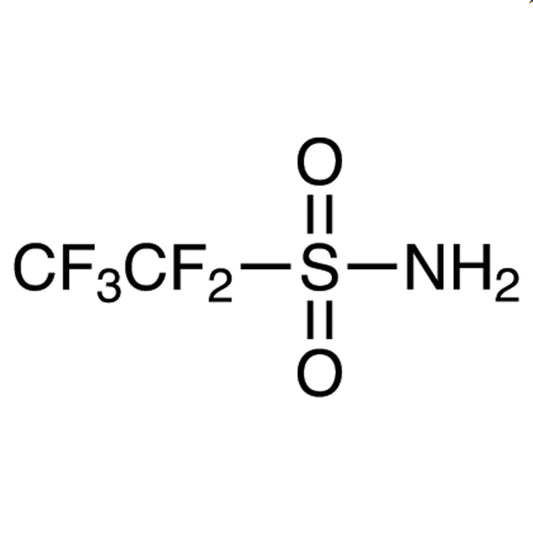
- TCI P2394 78491-70-0 Pentafluoroethanesulfonamide
- TCI P2244 653-30-5 2,3,4,5,6-Pentafluorobenzyl Cyanide
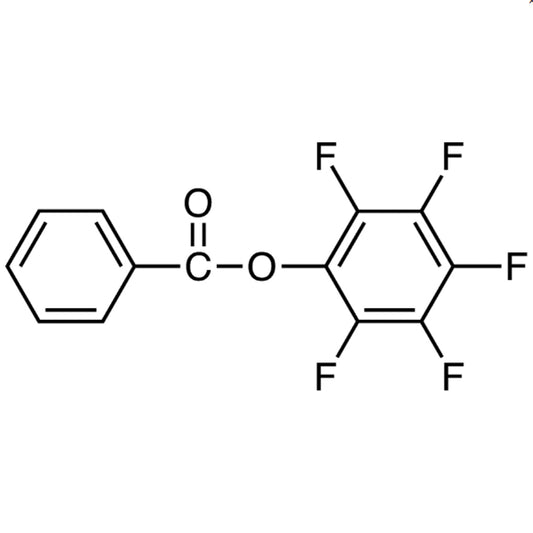
- TCI P2229 1548-84-1 Pentafluorophenyl Benzoate
- Organic synthesis of complex molecules due to its fluorinated structure and reactivity.
- Coupling reactions where stable and reactive intermediates are required.
- Modification of molecular structures to achieve desired polarity and reactivity.
- Research in pharmaceutical development for compound design and functional group introduction.
- Advanced chemical research involving carbon activation and substitution reactions.
| Brand | TCI |
|---|---|
| CAS number | 653-21-4 |
| Molecular formula | — |
| Purity | — |
| Category | Chemistry > Building Blocks > Fluorinated Building Blocks |
| Pack sizes | As available from supplier |
| Physical form | Solid or liquid (as per supplier packaging) |
| Storage | Store in a cool, dry place away from moisture and direct sunlight |
Pentafluorophenylacetic Acid should be stored in a cool, dry environment to maintain its chemical integrity. It is recommended to keep it in a sealed container to prevent exposure to moisture and air. Due to its chemical nature, it should be stored away from incompatible substances such as strong bases or oxidizing agents. Proper ventilation is essential when handling this compound to ensure safe laboratory practices. Always use appropriate personal protective equipment, including gloves and safety goggles, when working with PFPA. Regular monitoring of storage conditions is necessary to ensure the compound remains stable and safe for use in laboratory settings.
—
Produk Terkait
-
Pentafluorobenzylp-Toluenesulfonate[DerivatizingReagentforGCofInorganicAnions] TCI T1204
Regular price Rp 6.042.750,00Regular price -
1-[Bis(trifluoromethanesulfonyl)methyl]-2,3,4,5,6-pentafluorobenzene TCI B2291
Regular price From Rp 3.763.200,00Regular price -
4-(Pentafluorosulfanyl)phenyldiazoniumTetrafluoroborate TCI P2723
Regular price From Rp 3.630.900,00Regular price -
Pentafluoroethanesulfonamide TCI P2394
Regular price From Rp 2.359.350,00Regular price -
2,3,4,5,6-PentafluorobenzylCyanide TCI P2244
Regular price From Rp 1.087.800,00Regular price -
PentafluorophenylBenzoate TCI P2229
Regular price From Rp 1.326.150,00Regular price -
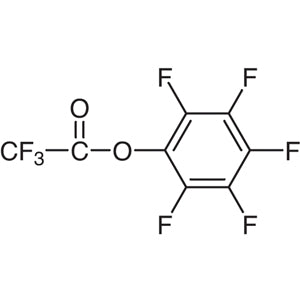
PentafluorophenylTrifluoroacetate TCI P1894
Regular price From Rp 1.644.300,00Regular price -
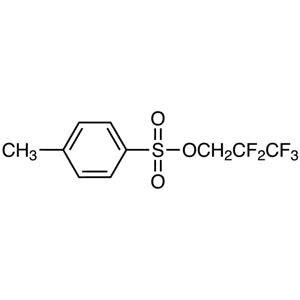
2,2,3,3,3-Pentafluoropropylp-Toluenesulfonate TCI P1834
Regular price From Rp 2.650.200,00Regular price
![32974-36-0 Pentafluorobenzyl p-Toluenesulfonate [Derivatizing Reagent for GC of Inorganic Anions] - AMI Scientific](http://amiscientific.com/cdn/shop/files/TCI2510T1204.jpg?v=1769057856&width=533)
![405074-81-9 1-[Bis(trifluoromethanesulfonyl)methyl]-2,3,4,5,6-pentafluorobenzene - AMI Scientific](http://amiscientific.com/cdn/shop/files/TCI2510B2291_1d491266-8d39-418c-8071-bf7f7c3bd951.jpg?v=1767336434&width=533)