4-(Pentafluorosulfanyl)phenyldiazonium Tetrafluoroborate is a specialized chemical compound used in organic reactions, particularly in the synthesis of fluorinated compounds. This reagent plays a crucial role in laboratories where precision and controlled chemical reactions are essential. Its unique molecular structure, featuring a highly reactive pentafluorosulfanyl group, makes it a valuable tool for creating compounds with specific thermal and electronic properties. Due to its reactivity and structural complexity, it is often used in advanced synthetic processes that require high accuracy and selectivity.
The compound is preferred for its chemical stability under certain conditions and its high reactivity toward various solvents. These properties make it ideal for applications that demand both reliability and versatility. Its ability to participate in substitution reactions and other complex organic transformations further enhances its utility in research settings. The combination of stability and reactivity ensures that it remains a key component in the development of fluorinated materials and pharmaceuticals.
In Indonesian laboratories, this compound is widely used by researchers in organic chemistry, pharmaceuticals, and materials science. Its relevance in the synthesis of fluorinated compounds makes it a critical reagent for studies involving advanced chemical modifications. Due to its reactivity, it requires careful handling and controlled storage to ensure safe and effective use in experimental processes.
Related TCI products
- Organic synthesis applications benefit from this compound's ability to participate in substitution reactions, making it ideal for creating fluorinated compounds with specific properties.
- Pharmaceutical research utilizes this material for the development of fluorinated drug molecules, which often exhibit improved stability and bioavailability.
- Materials science applications leverage its reactivity to produce advanced fluorinated polymers and coatings with enhanced chemical resistance.
- Fluorination processes in chemical research rely on its unique structure to introduce fluorine atoms into complex organic frameworks.
- Analytical chemistry experiments use this compound as a reagent for testing reactivity and stability under various experimental conditions.
| Brand | TCI |
|---|---|
| CAS number | 1605274-62-1 |
| Molecular formula | — |
| Purity | — |
| Category | Chemistry > Building Blocks > Fluorinated Building Blocks |
| Pack sizes | — |
| Physical form | — |
| Storage | Requires controlled storage conditions to maintain stability and reactivity. |
This compound should be stored in a cool, dry, and well-ventilated area away from direct sunlight and sources of heat. It is recommended to use sealed containers made of materials compatible with fluorinated compounds to prevent contamination and ensure stability. Due to its high reactivity, it should be handled with appropriate personal protective equipment, including gloves and safety goggles. Laboratory personnel should avoid direct contact and inhalation, and ensure proper ventilation when working with this material. Storage conditions should be monitored to maintain optimal chemical integrity and safety.
—
Produk Terkait
-
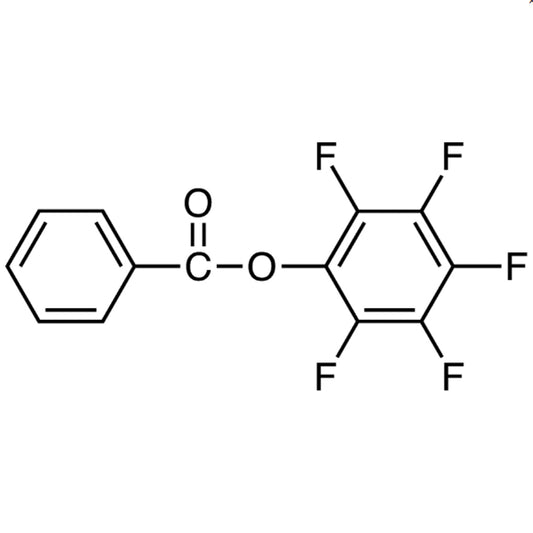
PentafluorophenylBenzoate TCI P2229
Regular price From Rp 1.326.150,00Regular price -
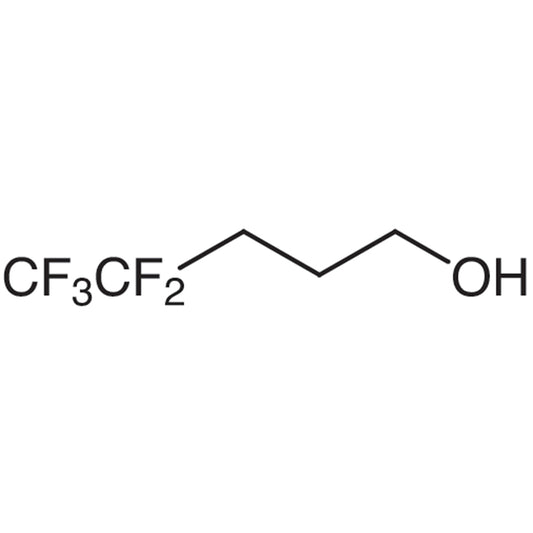
4,4,5,5,5-Pentafluoro-1-pentanol TCI P1342
Regular price From Rp 1.856.400,00Regular price -
PentafluorophenylaceticAcid TCI P1004
Regular price Rp 1.590.750,00Regular price -
Pentafluorobenzonitrile TCI P0935
Regular price From Rp 1.035.300,00Regular price -
1-(Pentafluorophenyl)ethanol TCI P0925
Regular price Rp 1.670.550,00Regular price -
2,2,3,3,3-Pentafluoro-1-propanol TCI P0845
Regular price Rp 1.696.800,00Regular price -
PentafluorobenzoicAcid TCI P0806
Regular price From Rp 795.900,00Regular price -
Pentafluorobenzaldehyde TCI P0746
Regular price From Rp 2.227.050,00Regular price