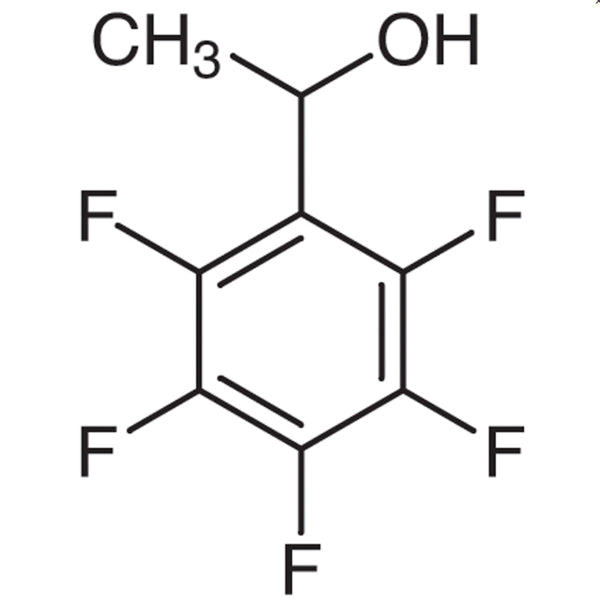
1-(Pentafluorophenyl)ethanol is a chemical compound widely used as a building block in the synthesis of complex organic molecules. Its unique molecular structure, featuring a pentafluorophenyl group, makes it a valuable reagent in laboratory settings. This compound is particularly useful for its high reactivity and compatibility with various functional groups, enabling a wide range of chemical transformations. Its versatility allows it to be incorporated into diverse synthetic pathways, making it an essential tool for chemists working on advanced organic synthesis projects.
The compound’s fluorinated structure provides exceptional stability and controlled reactivity, which are critical in precision chemical synthesis. The presence of fluorine atoms enhances its ability to participate in substitution, condensation, and bond-forming reactions. These properties make it a preferred choice for researchers aiming to develop fluorinated compounds with specific biological or industrial applications. Additionally, its non-polar nature allows it to dissolve in various organic solvents, further expanding its utility in laboratory experiments.
In Indonesian laboratories, 1-(Pentafluorophenyl)ethanol is commonly used in organic chemistry research, especially in pharmacology and the synthesis of bioactive compounds. It plays a key role in the development of new materials and chemical products with broad industrial applications. Its reliability and consistent performance make it a go-to reagent for both academic and industrial research settings in Indonesia.
- Organic synthesis applications benefit from its reactivity and compatibility with functional groups, enabling the creation of complex fluorinated compounds.
- Pharmaceutical research utilizes it for the development of bioactive molecules due to its stability and controlled reactivity in synthetic pathways.
- Material science projects leverage its non-polar nature for reactions involving organic solvents and the creation of advanced polymer structures.
- Industrial chemical development incorporates it for the production of fluorinated compounds with specialized properties for various applications.
- Academic research in chemistry relies on its versatility for teaching and experimental work in fluorinated compound synthesis.
| Brand | TCI |
|---|---|
| CAS number | 830-50-2 |
| Molecular formula | — |
| Purity | — |
| Category | Chemistry > Building Blocks > Fluorinated Building Blocks |
| Pack sizes | — |
| Physical form | Liquid |
| Storage | Store in a cool, dry place away from light and incompatible materials |
This compound should be stored in a cool, dry environment, away from direct sunlight and sources of heat. It is recommended to keep it in a sealed container to prevent exposure to moisture and air. Due to its chemical nature, it should be stored separately from strong oxidizers and reactive materials to avoid potential hazards. Proper ventilation is essential when handling the compound to minimize inhalation risks. Laboratory personnel should wear appropriate personal protective equipment, including gloves and safety goggles, when working with this material. Regular monitoring of storage conditions is advised to ensure the compound remains stable and safe for use.
—
Produk Terkait
-
Pentafluorobenzylp-Toluenesulfonate[DerivatizingReagentforGCofInorganicAnions] TCI T1204
Regular price Rp 6.042.750,00Regular price -
1-[Bis(trifluoromethanesulfonyl)methyl]-2,3,4,5,6-pentafluorobenzene TCI B2291
Regular price From Rp 3.763.200,00Regular price -
4-(Pentafluorosulfanyl)phenyldiazoniumTetrafluoroborate TCI P2723
Regular price From Rp 3.630.900,00Regular price -
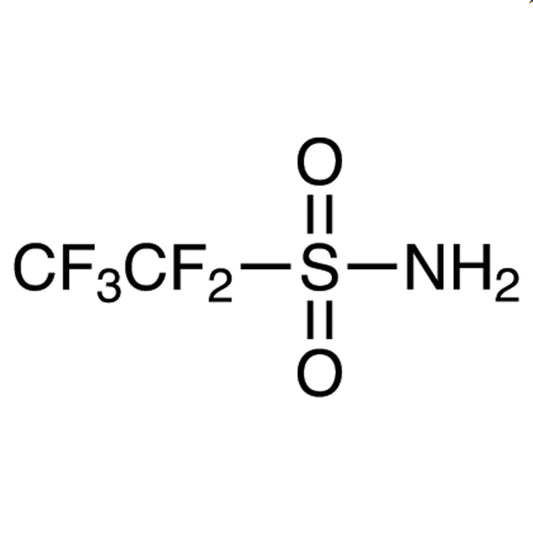
Pentafluoroethanesulfonamide TCI P2394
Regular price From Rp 2.359.350,00Regular price -
2,3,4,5,6-PentafluorobenzylCyanide TCI P2244
Regular price From Rp 1.087.800,00Regular price -
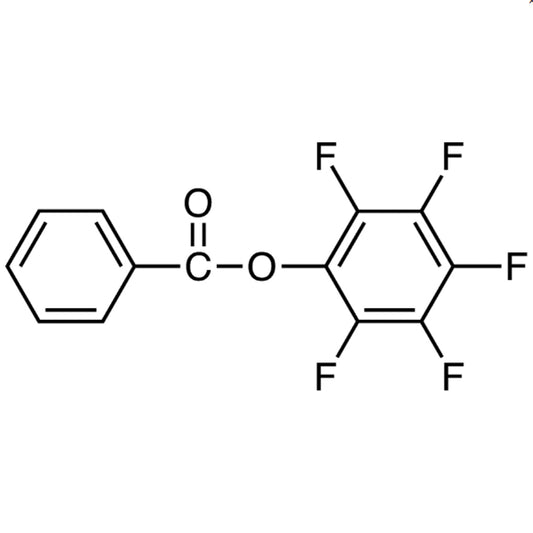
PentafluorophenylBenzoate TCI P2229
Regular price From Rp 1.326.150,00Regular price -
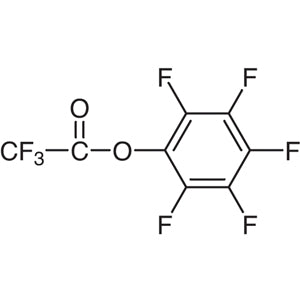
PentafluorophenylTrifluoroacetate TCI P1894
Regular price From Rp 1.644.300,00Regular price -
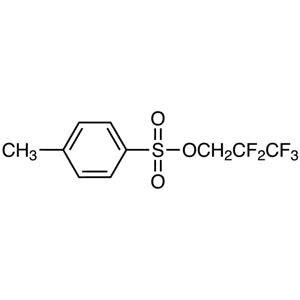
2,2,3,3,3-Pentafluoropropylp-Toluenesulfonate TCI P1834
Regular price From Rp 2.650.200,00Regular price
![32974-36-0 Pentafluorobenzyl p-Toluenesulfonate [Derivatizing Reagent for GC of Inorganic Anions] - AMI Scientific](http://amiscientific.com/cdn/shop/files/TCI2510T1204.jpg?v=1769057856&width=533)
![405074-81-9 1-[Bis(trifluoromethanesulfonyl)methyl]-2,3,4,5,6-pentafluorobenzene - AMI Scientific](http://amiscientific.com/cdn/shop/files/TCI2510B2291_1d491266-8d39-418c-8071-bf7f7c3bd951.jpg?v=1767336434&width=533)