1-[Bis(trifluoromethanesulfonyl)methyl]-2,3,4,5,6-pentafluorobenzene is a highly fluorinated chemical compound used as a building block in the synthesis of complex molecules. This compound is essential in modern organic chemistry for its unique structural properties and reactivity. It serves as a versatile intermediate in various chemical reactions, enabling the creation of compounds with specific functional groups and molecular architectures. Due to its high fluorine content, it is particularly valuable in applications requiring chemical stability and resistance to degradation under harsh conditions.
The compound's high fluorine content contributes to its exceptional chemical stability, thermal resistance, and low reactivity. These properties make it a preferred choice for researchers aiming to develop compounds with tailored properties, such as enhanced solubility or specific biological activity. Its controlled reactivity allows for precise modifications in molecular structures, making it a key component in synthetic pathways. The compound's unique molecular framework also facilitates interactions with a wide range of reagents, enhancing its utility in diverse chemical processes.
In Indonesian laboratories, this compound is widely used in scientific research across various fields, including organic chemistry, pharmaceutical development, and materials science. It is particularly favored for its role in the synthesis of advanced materials and drug candidates. Researchers in Indonesia rely on this compound for its reliability and performance in complex synthetic reactions, supporting innovation in both academic and industrial settings.
TCI brochures (PDF)
- Powerful Condensation Organocatalysts 2018-01-25 · p. 2
- Condensing Agents 2025-11-18 · p. 8
- Fluorination Reagents, Fluorinated Building Blocks 2026-03-18 · p. 35
Related TCI products
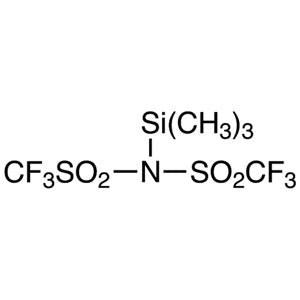
- TCI T2392 82113-66-4 N-(Trimethylsilyl)bis(trifluoromethanesulfonyl)imide
- TCI D3293 850629-65-1 Dimesitylammonium Pentafluorobenzenesulfonate
- TCI T3128 220227-21-4 2,4,5-Trifluorobenzenesulfonyl Chloride
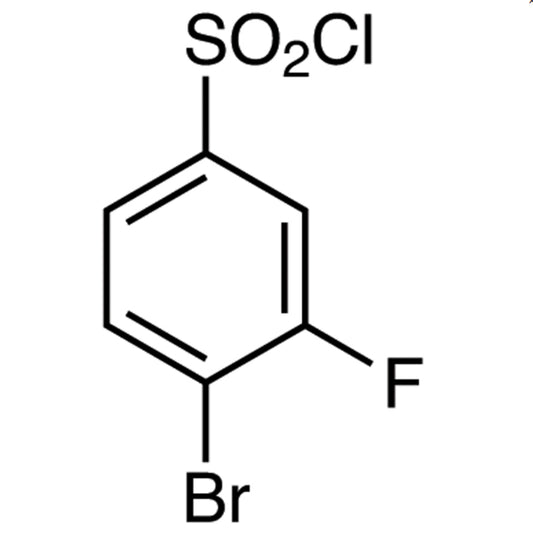
- TCI B3835 351003-51-5 4-Bromo-3-fluorobenzenesulfonyl Chloride
- TCI B3698 216159-03-4 4-Bromo-2-fluorobenzenesulfonyl Chloride
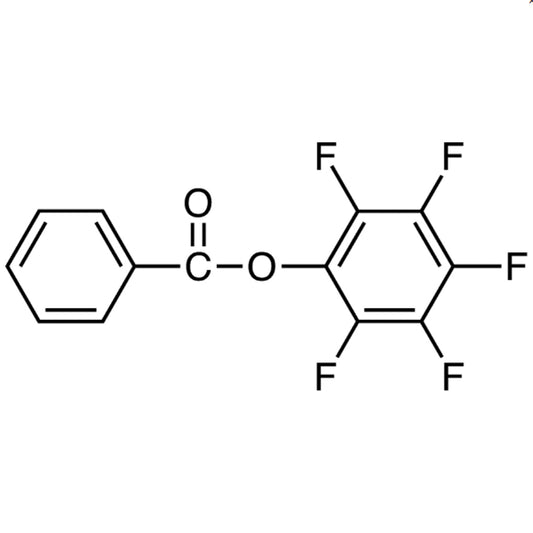
- TCI P2229 1548-84-1 Pentafluorophenyl Benzoate
- Organic synthesis applications benefit from this compound's high fluorine content, which enhances chemical stability and reactivity control in complex molecular structures.
- Pharmaceutical research utilizes this compound to develop drug candidates with improved solubility and bioavailability due to its unique fluorinated framework.
- Material science applications leverage its thermal resistance and chemical stability for the creation of advanced polymers and coatings.
- Analytical chemistry uses this compound as a reference standard for testing and characterizing fluorinated compounds in various matrices.
- Environmental studies incorporate this compound to investigate the behavior and persistence of fluorinated substances in different ecosystems.
From the TCI brochure
- Esterification of a cyclic alcohol with benzoic anhydride (Bz2O, B0078) in acetonitrile, catalyzed by B2291
| Brand | TCI |
|---|---|
| CAS number | 405074-81-9 |
| Molecular formula | — |
| Purity | — |
| Category | Chemistry > Building Blocks > Fluorinated Building Blocks |
| Pack sizes | Available in various quantities as per supplier specifications |
| Physical form | Solid |
| Storage | Store in a cool, dry place away from moisture and direct sunlight |
Data from the TCI brochure
| Yield | Y. >99% (Bz2O [B0078], cat. B2291, CH3CN) |
|---|
Source: TCI brochure RR098 (2018-01-25)
This compound should be stored in a cool, dry environment to prevent degradation and maintain its chemical integrity. It is recommended to use airtight containers made of materials compatible with fluorinated compounds, such as glass or high-density polyethylene. Due to its high fluorine content, it is important to handle the compound with appropriate personal protective equipment to ensure safety. Avoid exposure to moisture and direct sunlight, as these can affect its stability. In laboratory settings, it should be stored separately from reactive materials to prevent unintended chemical interactions. Regular monitoring of storage conditions is advised to ensure optimal performance and safety.
—
Product Categories
- Polymer/Macromolecule ReagentsPolymerization ReagentsControlled Polymerization Reagents (Other)
- Biomaterials/Biocompatible Materials Research ReagentsPolymerization Reagents (Initiators, Catalysts, Ligands) [Biomaterials/Biocompatible Materials Research Reagents]Group Transfer Polymerization (GTP) Reagents
Produk Terkait
-
N-(Trimethylsilyl)bis(trifluoromethanesulfonyl)imide TCI T2392
Regular price From Rp 2.942.100,00Regular priceRp 2.072.700,00Sale price From Rp 2.942.100,00 -
DimesitylammoniumPentafluorobenzenesulfonate TCI D3293
Regular price From Rp 2.757.300,00Regular priceRp 1.943.550,00Sale price From Rp 2.757.300,00 -
2,4,5-TrifluorobenzenesulfonylChloride TCI T3128
Regular price From Rp 1.538.250,00Regular priceRp 1.075.200,00Sale price From Rp 1.538.250,00 -
4-Bromo-3-fluorobenzenesulfonylChloride TCI B3835
Regular price From Rp 2.016.000,00Regular priceRp 1.409.100,00Sale price From Rp 2.016.000,00 -
4-Bromo-2-fluorobenzenesulfonylChloride TCI B3698
Regular price From Rp 823.200,00Regular priceRp 575.400,00Sale price From Rp 823.200,00 -
PentafluorophenylBenzoate TCI P2229
Regular price From Rp 1.378.650,00Regular priceRp 979.650,00Sale price From Rp 1.378.650,00 -
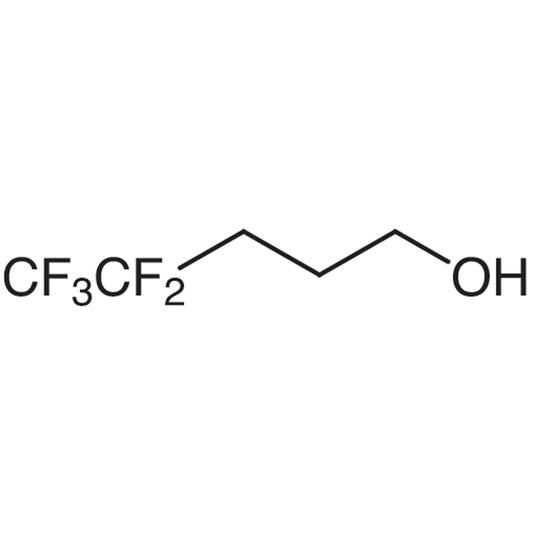
4,4,5,5,5-Pentafluoro-1-pentanol TCI P1342
Regular price From Rp 1.856.400,00Regular priceRp 1.297.800,00Sale price From Rp 1.856.400,00 -
PentafluorophenylaceticAcid TCI P1004
Regular price Rp 1.643.250,00Regular priceRp 1.164.450,00Sale price Rp 1.643.250,00