Methyl 4,4-Dimethyl-3-oxovalerate is a chemical compound widely used as a building block in organic synthesis. It plays a crucial role in laboratory settings by enabling the formation of complex organic molecules through various chemical reactions. This compound is particularly valued for its versatility in participating in reactions such as esterification, reduction, and substitution, making it an essential tool for chemists working on synthetic pathways. Its stability and reactivity allow it to be a reliable component in the development of new compounds with applications in pharmaceuticals, materials science, and industrial chemistry.
One of the key properties that make this compound a preferred choice is its solubility in organic solvents, which simplifies handling and processing in laboratory environments. Its molecular structure is stable, ensuring consistent performance across different experimental conditions. Additionally, its ability to undergo multiple chemical transformations makes it adaptable to a wide range of synthetic strategies. These characteristics make it a go-to material for researchers aiming to explore new chemical reactions and synthesize complex molecules efficiently.
In Indonesian laboratories, this compound is commonly used in organic chemistry research, especially in academic institutions and research centers focused on drug development and material innovation. Its availability and reliability make it a staple in laboratories where synthetic chemistry is a core activity. Researchers in Indonesia rely on this compound for its predictable behavior and compatibility with various reaction conditions, supporting ongoing scientific advancements in the region.
- Organic synthesis is a primary application where this compound is used to build complex molecules through esterification and substitution reactions.
- Pharmaceutical research benefits from its role in developing new drug compounds by enabling the creation of functional groups.
- Material science applications rely on its ability to participate in reactions that form polymers and other advanced materials.
- Analytical chemistry uses this compound as a standard for calibrating instruments and testing reaction mechanisms.
- Industrial chemistry applications leverage its stability and reactivity for large-scale production of chemical intermediates.
| Brand | TCI |
|---|---|
| CAS number | 55107-14-7 |
| Molecular formula | — |
| Purity | — |
| Category | Chemistry > Building Blocks > Non-Heterocyclic Building Blocks |
| Pack sizes | Available in various quantities as per supplier specifications |
| Physical form | Liquid or solid, depending on the specific product variant |
| Storage | Store in a cool, dry place away from direct sunlight and incompatible substances |
This compound should be stored in a cool, dry environment to maintain its chemical stability and prevent degradation. It is recommended to use airtight containers made of glass or high-density polyethylene to minimize exposure to moisture and air. When handling, ensure proper ventilation and use appropriate personal protective equipment such as gloves and safety goggles. Avoid contact with incompatible materials like strong oxidizers or acids. Keep the compound away from heat sources and direct sunlight to preserve its integrity. Regularly check storage conditions to ensure compliance with safety standards and maintain the compound's effectiveness in laboratory applications.
—
Produk Terkait
-
Ethyl4,4-Dimethyl-3-oxovalerate TCI D1891
Regular price From Rp 1.696.800,00Regular price -
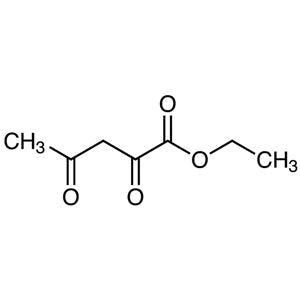
Ethyl2,4-Dioxovalerate TCI R0165
Regular price From Rp 1.565.550,00Regular price -
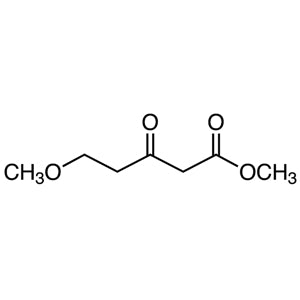
Methyl5-Methoxy-3-oxovalerate TCI M0812
Regular price Rp 4.849.950,00Regular price -
Ethyl3-Oxovalerate TCI K0031
Regular price From Rp 1.298.850,00Regular price -
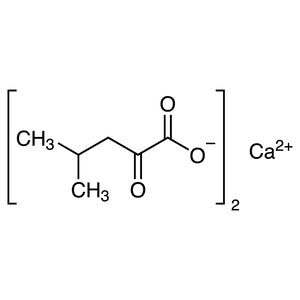
Calcium4-Methyl-2-oxovalerate TCI K0023
Regular price From Rp 2.942.100,00Regular price -
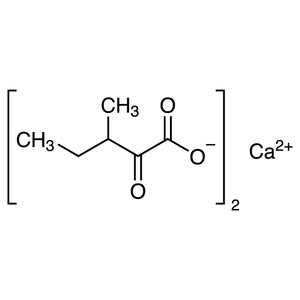
Calcium3-Methyl-2-oxovalerate TCI K0022
Regular price Rp 3.630.900,00Regular price -
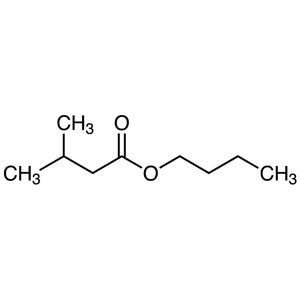
ButylIsovalerate TCI B3718
Regular price From Rp 610.050,00Regular price -
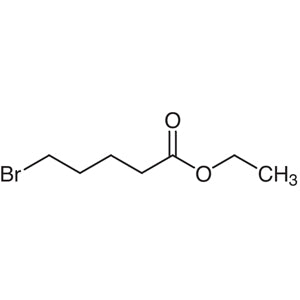
Ethyl5-Bromovalerate TCI B1557
Regular price Rp 1.988.700,00Regular price