


1-(1-Methylcyclopropyl)ethan-1-one with CAS number 1567-75-5 is an aliphatic ketone that carries a methyl-substituted cyclopropane ring attached directly to the carbonyl group. In organic synthesis laboratories, this compound serves as a non-heterocyclic building block, meaning a small starting material used to construct larger molecular frameworks. Its methyl ketone group is a classic reaction site for aldol condensation, enolate formation, alpha-alkylation, and nucleophilic addition reactions, allowing researchers to extend carbon chains or close new rings through relatively controlled steps.
The characteristic that makes this compound a preferred choice is the presence of a quaternary cyclopropane ring bonded to the carbonyl. The cyclopropane ring imparts conformational rigidity, unusual bond angles, and distinctive electronic properties that differ from ordinary alkyl groups, which is why this fragment is widely used in drug molecule design to lock spatial orientation while improving metabolic stability. The methyl substituent on the cyclopropane carbon shields that side from reagent attack, so reactivity is directed toward the methyl ketone group instead, giving chemists a predictable point of transformation.
In Indonesian laboratories, this building block is typically used in university research groups, pharmaceutical discovery units, and agrochemical development programs that construct target molecules step by step. It is generally ordered in small research quantities for exploratory route scouting, method development, and the preparation of intermediates that will later be carried forward into longer synthetic sequences. Analytical and synthetic chemists handle it inside fume hoods as part of routine multi-step bench work.
- Aldol condensation studies, where the methyl ketone provides an accessible enolizable position that reacts cleanly with aldehydes to extend carbon frameworks in a controlled manner.
- Medicinal chemistry scaffold construction, because the rigid cyclopropane fragment locks spatial orientation of substituents and is frequently used to improve metabolic stability in candidate drug molecules.
- Alpha-alkylation reactions, in which enolate formation at the methyl group allows chemists to introduce new side chains and progressively build molecular complexity from a small starting unit.
- Ring-closure and cyclization route development, since the ketone carbonyl acts as an electrophilic handle that can be used to form new rings within a target skeleton.
- Nucleophilic addition method development, where the sterically shielded cyclopropane directs incoming reagents toward the carbonyl carbon and gives reproducible, predictable reaction outcomes in exploratory work.
| Brand | TCI |
|---|---|
| CAS number | 1567-75-5 |
| Molecular formula | — |
| Purity | — |
| Category | Chemistry > Building Blocks > Non-Heterocyclic Building Blocks |
| Pack sizes | available in standard TCI research-scale packaging; please confirm the currently offered sizes when ordering |
| Physical form | — |
| Storage | keep in a tightly closed original container in a cool, well-ventilated chemical store |
- Product code: M3979
Store the container tightly closed in a cool, dry, and well-ventilated area away from direct sunlight, heat sources, ignition sources, and strong oxidizing agents. Keep the material in its original supplier packaging or in a compatible, clearly labelled chemical-resistant container, and return it to the chemical store promptly after use. All handling should be carried out inside a functioning fume hood while wearing safety goggles, a laboratory coat, and suitable chemical-resistant gloves. Avoid inhaling vapours and avoid contact with skin and eyes. Always consult the manufacturer's safety data sheet before opening the container, and follow institutional procedures for chemical waste collection and disposal.
—
Produk Terkait
-
4-BromophenylCyclopropylKetone TCI B4076
Regular price Rp 1.298.850,00Regular price -
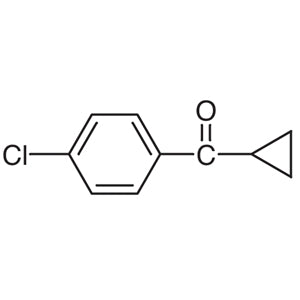
4-ChlorophenylCyclopropylKetone TCI C1681
Regular price Rp 1.458.450,00Regular price -
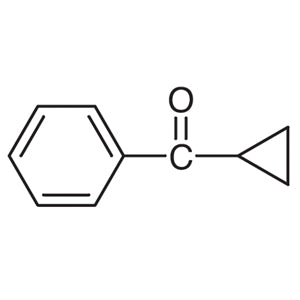
CyclopropylPhenylKetone TCI C0987
Regular price Rp 3.207.750,00Regular price -
CyclopropylMethylKetone TCI C0985
Regular price From Rp 1.087.800,00Regular price -
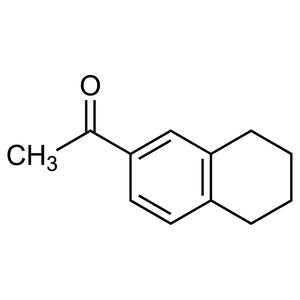
1-(5,6,7,8-Tetrahydronaphthalen-2-yl)ethan-1-one TCI A3692
Regular price Rp 2.359.350,00Regular price -
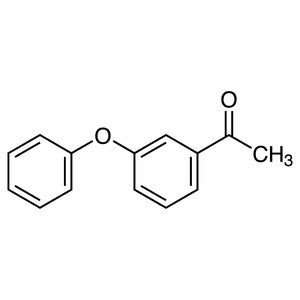
1-(3-Phenoxyphenyl)ethan-1-one TCI P3057
Regular price Rp 4.584.300,00Regular price -
1-(4'-Methoxy[1,1'-biphenyl]-4-yl)ethan-1-one TCI M3407
Regular price From Rp 2.068.500,00Regular price -
1-(3-Hydroxy-4-methoxyphenyl)ethan-1-one TCI H1946
Regular price From Rp 1.115.100,00Regular price


![13021-18-6 1-(4'-Methoxy[1,1'-biphenyl]-4-yl)ethan-1-one - AMI Scientific](http://amiscientific.com/cdn/shop/files/TCI2510M3407.jpg?v=1767128174&width=533)
