1-(3-Phenoxyphenyl)ethan-1-one is a chemical compound widely used as a building block in the synthesis of complex organic molecules. Its unique molecular structure, consisting of a phenyl group connected to a phenoxyphenyl group via a carbon chain, makes it a versatile intermediate in organic chemistry. This compound is commonly found in laboratory settings where researchers aim to construct more complex chemical structures. Its role as a foundational element in synthetic pathways is essential for the development of new compounds in both academic and industrial research.
The compound’s stable chemical properties and controlled reactivity make it a preferred choice for laboratory use. Its non-polar nature allows it to participate in a variety of reaction conditions, including substitution and condensation reactions. This adaptability is crucial for chemists seeking to manipulate molecular structures with precision. Additionally, its lack of heterocyclic components simplifies identification and processing during experimental procedures. These characteristics ensure that it remains a reliable and efficient tool in the hands of researchers.
In Indonesian laboratories, 1-(3-Phenoxyphenyl)ethan-1-one is extensively used in organic chemistry research, particularly in the synthesis of bioactive compounds and chemical materials. Its availability in solid form and convenient packaging makes it easy to handle and store, supporting a wide range of experimental applications. Its reliability and consistency make it an essential component in the chemical supply chain for Indonesian research institutions.
Related TCI products
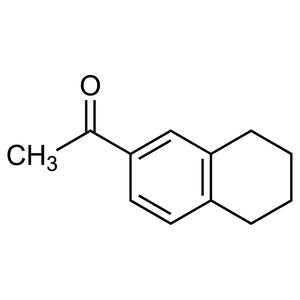
- TCI A3692 774-55-0 1-(5,6,7,8-Tetrahydronaphthalen-2-yl)ethan-1-one
- TCI M3979 1567-75-5 1-(1-Methylcyclopropyl)ethan-1-one
- TCI M3407 13021-18-6 1-(4'-Methoxy[1,1'-biphenyl]-4-yl)ethan-1-one
- TCI H1946 6100-74-9 1-(3-Hydroxy-4-methoxyphenyl)ethan-1-one
- TCI E1563 42472-69-5 1-(4-Ethynylphenyl)ethan-1-one
- TCI D6399 3637-01-2 1-(3,4-Dimethylphenyl)ethan-1-one
- Organic synthesis applications benefit from this compound’s structural versatility, allowing the creation of complex molecules with high precision.
- Bioactive compound development relies on its stability and reactivity, making it ideal for synthesizing pharmaceutical and medicinal substances.
- Material science research utilizes its non-polar properties for the production of advanced chemical materials with specific functional characteristics.
- Analytical chemistry experiments use it as a reference standard due to its purity and consistent molecular structure.
- Environmental chemistry studies incorporate it to model and analyze the behavior of organic pollutants in various reaction environments.
| Brand | TCI |
|---|---|
| CAS number | 32852-92-9 |
| Molecular formula | — |
| Purity | — |
| Category | Chemistry > Building Blocks > Non-Heterocyclic Building Blocks |
| Pack sizes | Available in various quantities as per standard laboratory supply specifications |
| Physical form | Solid |
| Storage | Store in a cool, dry place away from direct sunlight and moisture |
This compound should be stored in a cool, dry environment, away from direct sunlight and sources of moisture. It is recommended to use airtight containers to prevent exposure to air and potential contamination. Due to its non-polar nature, it is best stored in glass or polyethylene containers to maintain its chemical integrity. Laboratory personnel should handle it with care, using appropriate personal protective equipment such as gloves and safety goggles. Proper labeling and storage conditions ensure the compound remains stable and safe for use in research applications. Regular inspection of storage conditions is advised to maintain optimal laboratory safety standards.
—
Produk Terkait
-
1-(5,6,7,8-Tetrahydronaphthalen-2-yl)ethan-1-one TCI A3692
Regular price Rp 2.359.350,00Regular price -
1-(1-Methylcyclopropyl)ethan-1-one TCI M3979
Regular price From Rp 1.035.300,00Regular price -
1-(4'-Methoxy[1,1'-biphenyl]-4-yl)ethan-1-one TCI M3407
Regular price From Rp 2.068.500,00Regular price -
1-(3-Hydroxy-4-methoxyphenyl)ethan-1-one TCI H1946
Regular price From Rp 1.115.100,00Regular price -
1-(4-Ethynylphenyl)ethan-1-one TCI E1563
Regular price From Rp 1.087.800,00Regular price -
1-(3,4-Dimethylphenyl)ethan-1-one TCI D6399
Regular price From Rp 1.353.450,00Regular price -
2-Chloro-1-(2,5-dimethoxyphenyl)ethan-1-one TCI C4117
Regular price Rp 6.015.450,00Regular price -
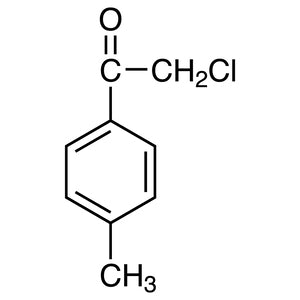
2-Chloro-1-(p-tolyl)ethan-1-one TCI C3828
Regular price Rp 3.817.800,00Regular price

![13021-18-6 1-(4'-Methoxy[1,1'-biphenyl]-4-yl)ethan-1-one - AMI Scientific](http://amiscientific.com/cdn/shop/files/TCI2510M3407.jpg?v=1767128174&width=533)