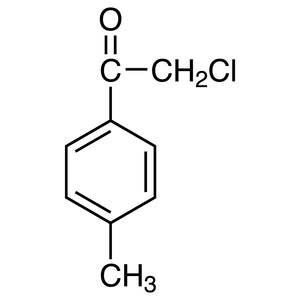
2-Chloro-1-(p-tolyl)ethan-1-one is a chemical compound widely used as a building block in organic synthesis. It serves as a fundamental component in the creation of complex organic molecules, particularly in reactions involving carbon-carbon bond formation or chlorine substitution. This compound is essential in laboratory settings where precise chemical structures are required, making it a versatile tool for chemists working on synthetic pathways. Its role extends to the development of new compounds and modifications of existing ones, supporting both academic and industrial research.
The compound’s chemical properties make it a preferred choice in laboratory applications. It exhibits stability under controlled conditions but remains reactive to environmental factors such as high temperatures and humidity. This reactivity allows it to participate in a wide range of chemical transformations, making it suitable for reactions that demand precision and control. Its simple molecular structure also facilitates further modifications through subsequent chemical reactions, enhancing its utility in synthetic chemistry.
In Indonesian laboratories, 2-Chloro-1-(p-tolyl)ethan-1-one is commonly used in organic chemistry research. It is frequently found in academic institutions and research centers, where it supports the synthesis of new compounds and the modification of existing ones. Its availability and reliability make it an essential reagent for students and researchers working on complex chemical projects.
Related TCI products
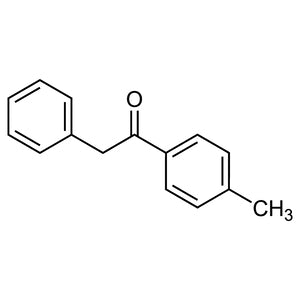
- TCI B6747 2001-28-7 2-Phenyl-1-(p-tolyl)ethan-1-one
- TCI C4117 1204-22-4 2-Chloro-1-(2,5-dimethoxyphenyl)ethan-1-one
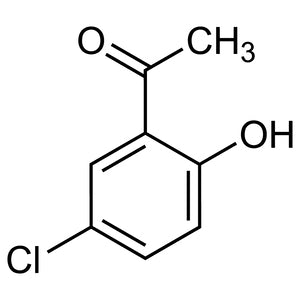
- TCI C2119 1450-74-4 1-(5-Chloro-2-hydroxyphenyl)ethan-1-one
- TCI M3626 37394-93-7 2-Chloro-N-(o-tolyl)acetamide
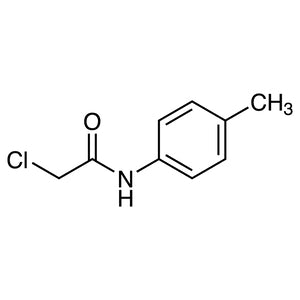
- TCI C3837 16634-82-5 2-Chloro-N-(p-tolyl)acetamide
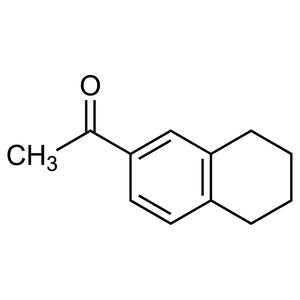
- TCI A3692 774-55-0 1-(5,6,7,8-Tetrahydronaphthalen-2-yl)ethan-1-one
- Organic Synthesis: This compound is ideal for creating complex organic molecules, especially those requiring carbon-carbon bond formation or chlorine substitution.
- Research and Development: It supports the development of new compounds and modifications of existing ones, making it valuable in R&D settings.
- Academic Teaching: It is commonly used in educational institutions to teach synthetic chemistry and molecular structure manipulation.
- Industrial Chemistry: Its reactivity and versatility make it suitable for industrial applications involving chemical transformations.
- Compound Modification: It is frequently used to modify existing compounds, enabling the creation of new chemical structures with desired properties.
| Brand | TCI |
|---|---|
| CAS number | 4209-24-9 |
| Molecular formula | — |
| Purity | — |
| Category | Chemistry > Building Blocks > Non-Heterocyclic Building Blocks |
| Pack sizes | Available in various quantities as per supplier specifications |
| Physical form | Liquid |
| Storage | Store in a cool, dry place away from light and moisture |
This compound should be stored in a cool, dry environment, away from direct light and moisture to maintain its stability. It is recommended to use airtight containers to prevent exposure to air and humidity, which can affect its reactivity. Laboratory personnel should handle it with care, using appropriate personal protective equipment such as gloves and safety goggles. Due to its reactivity, it should be kept in a well-ventilated area and away from incompatible substances. Proper labeling and storage conditions are essential to ensure safe handling and long-term usability in laboratory settings.
—
Produk Terkait
-
2-Phenyl-1-(p-tolyl)ethan-1-one TCI B6747
Regular price From Rp 1.988.700,00Regular price -
2-Chloro-1-(2,5-dimethoxyphenyl)ethan-1-one TCI C4117
Regular price Rp 6.015.450,00Regular price -
1-(5-Chloro-2-hydroxyphenyl)ethan-1-one TCI C2119
Regular price From Rp 1.035.300,00Regular price -
2-Chloro-N-(o-tolyl)acetamide TCI M3626
Regular price Rp 3.738.000,00Regular price -
2-Chloro-N-(p-tolyl)acetamide TCI C3837
Regular price From Rp 1.167.600,00Regular price -
1-(5,6,7,8-Tetrahydronaphthalen-2-yl)ethan-1-one TCI A3692
Regular price Rp 2.359.350,00Regular price -
1-(3-Phenoxyphenyl)ethan-1-one TCI P3057
Regular price Rp 4.584.300,00Regular price -
1-(1-Methylcyclopropyl)ethan-1-one TCI M3979
Regular price From Rp 1.035.300,00Regular price