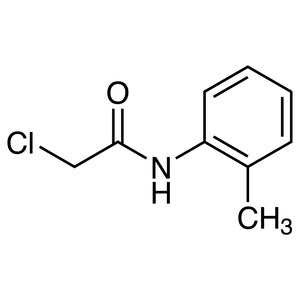
2-Chloro-N-(o-tolyl)acetamide is a chemical compound widely used as a building block in the synthesis of complex organic molecules. This compound plays a crucial role in laboratory settings where the construction of molecular structures is required. Its simple molecular structure provides a versatile platform for further chemical modifications, making it an essential component in the development of pharmaceuticals, industrial chemicals, and other specialized compounds. Due to its reactivity and structural adaptability, it is frequently employed in organic chemistry research to explore new synthetic pathways and functional group transformations.
The compound’s chemical properties, including its chlorine and amide functionalities, make it a preferred choice for various chemical reactions. These functional groups enable it to participate in substitution and electrophilic reactions, offering flexibility in synthetic strategies. Its stability under controlled conditions ensures reliability in laboratory applications, while its reactivity allows for targeted modifications. The presence of both polar and non-polar regions in its structure contributes to its compatibility with a wide range of solvents and reaction conditions, enhancing its utility in diverse chemical processes.
In Indonesian laboratories, 2-Chloro-N-(o-tolyl)acetamide is commonly used in organic chemistry research, particularly in academic and research institutions. It serves as a foundational material for teaching and experimental purposes, supporting both undergraduate and postgraduate studies. Its role in the synthesis of bioactive compounds and industrial materials makes it a valuable resource for advancing chemical knowledge and innovation in the region.
Related TCI products
- TCI C3979 3289-75-6 2-Chloro-N-(4-chlorophenyl)acetamide
- TCI C3974 22303-36-2 2-Chloro-N-(4-methoxyphenyl)acetamide
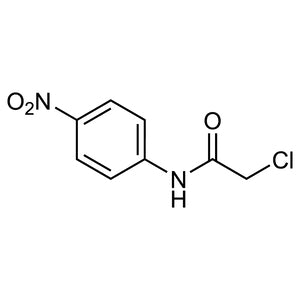
- TCI C3966 17329-87-2 2-Chloro-N-(4-nitrophenyl)acetamide
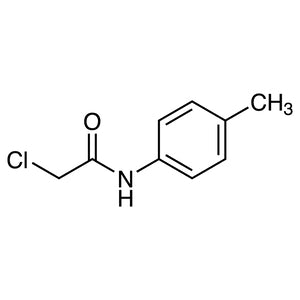
- TCI C3837 16634-82-5 2-Chloro-N-(p-tolyl)acetamide
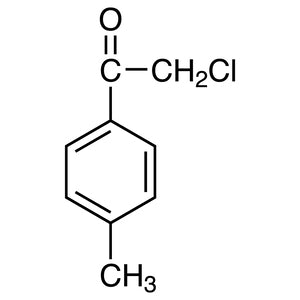
- TCI C3828 4209-24-9 2-Chloro-1-(p-tolyl)ethan-1-one
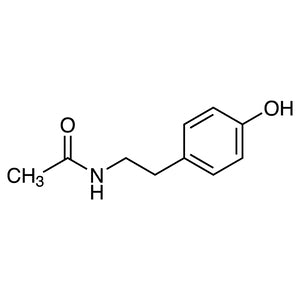
- TCI A3518 1202-66-0 N-(4-Hydroxyphenethyl)acetamide
- Organic synthesis applications benefit from this compound’s reactivity and structural versatility, enabling the creation of complex molecules in research and development.
- Pharmaceutical research utilizes it as a key intermediate in the synthesis of drug candidates, supporting the development of new therapeutic agents.
- Industrial chemical production relies on its ability to participate in various chemical transformations, contributing to the manufacturing of specialty chemicals.
- Academic teaching laboratories use it to demonstrate fundamental chemical reactions and molecular construction techniques to students.
- Research institutions incorporate it into projects focused on functional group manipulation and molecular design for advanced chemical studies.
| Brand | TCI |
|---|---|
| CAS number | 37394-93-7 |
| Molecular formula | — |
| Purity | — |
| Category | Chemistry > Building Blocks > Non-Heterocyclic Building Blocks |
| Pack sizes | Available in various quantities as per supplier specifications |
| Physical form | Solid, crystalline or powder, depending on the batch |
| Storage | Store in a cool, dry place away from light and moisture |
This compound should be stored in a cool, dry environment, away from direct sunlight and moisture to maintain its chemical integrity. It is recommended to use airtight containers made of glass or high-density polyethylene to prevent contamination and degradation. Due to its reactivity, it should be handled in a well-ventilated area, and appropriate personal protective equipment, such as gloves and safety goggles, should be worn. Avoid exposure to strong oxidizing agents or incompatible materials. Proper labeling and storage conditions are essential to ensure safety and maintain the compound’s effectiveness in laboratory applications.
—
Produk Terkait
-
2-Chloro-N-(4-chlorophenyl)acetamide TCI C3979
Regular price From Rp 1.590.750,00Regular price -
2-Chloro-N-(4-methoxyphenyl)acetamide TCI C3974
Regular price From Rp 3.683.400,00Regular price -
2-Chloro-N-(4-nitrophenyl)acetamide TCI C3966
Regular price Rp 2.174.550,00Regular price -
2-Chloro-N-(p-tolyl)acetamide TCI C3837
Regular price From Rp 1.167.600,00Regular price -
2-Chloro-1-(p-tolyl)ethan-1-one TCI C3828
Regular price Rp 3.817.800,00Regular price -
N-(4-Hydroxyphenethyl)acetamide TCI A3518
Regular price From Rp 2.704.800,00Regular price -
N-(4-Cyanophenyl)acetamide TCI A2173
Regular price From Rp 1.035.300,00Regular price -
N-(1-Phenylethyl)acetamide TCI P3170
Regular price From Rp 1.035.300,00Regular price