N-(4-Hydroxyphenethyl)acetamide is a chemical compound widely used in laboratory settings for the synthesis of complex molecules. As a building block in organic chemistry, it serves as a key intermediate in the creation of various derivatives, particularly those involving acetic acid structures. Its role in molecular construction is vital for researchers aiming to develop new compounds with specific functional groups. This compound is commonly utilized in synthetic pathways that require controlled reactivity and stability during chemical transformations.
The compound’s chemical properties, including its stable nature and controlled reactivity, make it a preferred choice for laboratory applications. Its molecular structure consists of an amide group and a hydroxyl group, which contribute to its reactivity and ability to form bonds with other functional groups. These characteristics allow it to participate effectively in substitution reactions, esterification, and other chemical processes. The compound’s resistance to degradation further enhances its utility, as it simplifies handling and storage in laboratory environments.
In Indonesian laboratories, N-(4-Hydroxyphenethyl)acetamide is frequently used in pure chemical research, the synthesis of new compounds, and pharmaceutical development. Its versatility and reliability make it a valuable resource for both academic and industrial research. The compound supports a wide range of experimental needs, from basic chemical studies to advanced drug discovery projects. Its consistent performance ensures that it remains a staple in the chemical toolkit of Indonesian research institutions.
Related TCI products
- TCI H1605 16375-88-5 N-[4-(Hydroxymethyl)phenyl]acetamide
- TCI M2658 5020-41-7 3-Methoxyphenethyl Alcohol
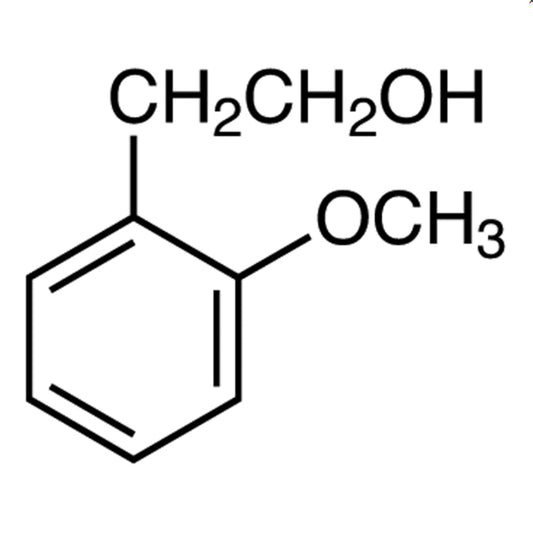
- TCI M2657 7417-18-7 2-Methoxyphenethyl Alcohol
- TCI M2472 167145-13-3 2-(3-Methoxyphenethyl)phenol
- TCI M0889 702-23-8 4-Methoxyphenethyl Alcohol
- TCI D6062 201610-44-8 N-(3,4-Dihydroxyphenethyl)acrylamide
- Pure chemical research benefits from its stable structure and predictable reactivity, enabling accurate synthesis of target compounds.
- Synthesis of new compounds relies on its ability to form bonds with various functional groups, facilitating complex molecular construction.
- Pharmaceutical development utilizes its role in creating derivatives of acetic acid, which are essential in drug molecule design.
- Organic chemistry experiments use it as a building block for creating compounds with specific functional groups and molecular structures.
- Industrial chemical processes incorporate it for its controlled reactivity and stability during chemical transformations and reactions.
| Brand | TCI |
|---|---|
| CAS number | 1202-66-0 |
| Molecular formula | — |
| Purity | — |
| Category | Chemistry > Building Blocks > Non-Heterocyclic Building Blocks |
| Pack sizes | Available in standard laboratory quantities |
| Physical form | Solid powder |
| Storage | Store in a cool, dry place away from direct sunlight and moisture |
N-(4-Hydroxyphenethyl)acetamide should be stored in a cool, dry environment to maintain its chemical integrity. It is recommended to keep it in a tightly sealed container to prevent exposure to moisture and air. The compound should be stored away from direct sunlight and sources of heat to avoid any potential degradation. In laboratory settings, it is important to handle the compound with care, using appropriate personal protective equipment such as gloves and safety goggles. While it is generally stable under normal storage conditions, it is advisable to follow standard chemical safety protocols to ensure safe handling and usage. Proper storage and handling practices help preserve the compound's effectiveness and ensure its safe use in laboratory applications.
—
Produk Terkait
-
N-[4-(Hydroxymethyl)phenyl]acetamide TCI H1605
Regular price From Rp 1.590.750,00Regular priceRp 1.127.700,00Sale price From Rp 1.590.750,00 -
3-MethoxyphenethylAlcohol TCI M2658
Regular price From Rp 1.776.600,00Regular priceRp 1.257.900,00Sale price From Rp 1.776.600,00 -
2-MethoxyphenethylAlcohol TCI M2657
Regular price From Rp 848.400,00Regular priceRp 609.000,00Sale price From Rp 848.400,00 -
2-(3-Methoxyphenethyl)phenol TCI M2472
Regular price From Rp 1.881.600,00Regular priceRp 1.331.400,00Sale price From Rp 1.881.600,00 -
4-MethoxyphenethylAlcohol TCI M0889
Regular price Rp 3.312.750,00Regular priceRp 2.332.050,00Sale price Rp 3.312.750,00 -
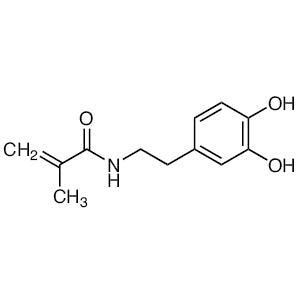
N-(3,4-Dihydroxyphenethyl)acrylamide TCI D6062
Regular price From Rp 2.623.950,00Regular priceRp 1.850.100,00Sale price From Rp 2.623.950,00 -
N-(3,4-Dihydroxyphenethyl)methacrylamide TCI D5907
Regular price From Rp 2.518.950,00Regular priceRp 1.776.600,00Sale price From Rp 2.518.950,00 -
1-(Dimethylamino)-3-[2-(3-methoxyphenethyl)phenoxy]-2-propanolHydrochloride TCI D4355
Regular price Rp 1.483.650,00Regular priceRp 1.053.150,00Sale price Rp 1.483.650,00