![16375-88-5 N-[4-(Hydroxymethyl)phenyl]acetamide - AMI Scientific](http://amiscientific.com/cdn/shop/files/TCI2510H1605.jpg?v=1767118290&width=1946)
![16375-88-5 N-[4-(Hydroxymethyl)phenyl]acetamide - AMI Scientific](http://amiscientific.com/cdn/shop/files/TCI2510H1605.jpg?v=1767118290&width=1445)
N-[4-(Hydroxymethyl)phenyl]acetamide is a chemical compound widely used as a building block in organic synthesis. This versatile reagent plays a crucial role in laboratories by enabling the construction of complex molecular structures. Its ability to participate in various chemical reactions makes it an essential component for researchers working on the development of bioactive compounds. Due to its stability and controlled reactivity, it is a preferred choice for a wide range of chemical experiments and research applications.
The compound’s chemical properties, including its amide and hydroxyl functional groups, contribute to its reactivity in substitution, redox, and condensation reactions. These characteristics make it suitable for use in environments where controlled chemical transformations are required. Its stability under normal laboratory conditions ensures that it remains effective throughout the experimental process. Additionally, its predictable behavior in different chemical environments enhances its reliability as a research tool.
In Indonesian laboratories, N-[4-(Hydroxymethyl)phenyl]acetamide is commonly used in organic chemistry research, particularly in academic institutions and research centers. It is frequently employed in projects related to the synthesis of bioactive molecules, drug development, and structural chemistry studies. Its availability and reliability make it a standard reagent in both teaching and research laboratories across Indonesia.
Related TCI products
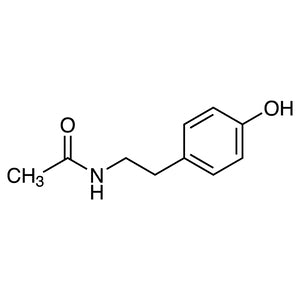
- TCI A3518 1202-66-0 N-(4-Hydroxyphenethyl)acetamide
- TCI B1492 20605-01-0 Diethyl 2,2-Bis(hydroxymethyl)malonate
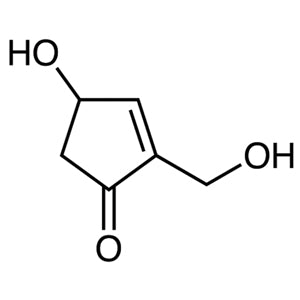
- TCI H1723 76374-26-0 4-Hydroxy-2-(hydroxymethyl)-2-cyclopenten-1-one
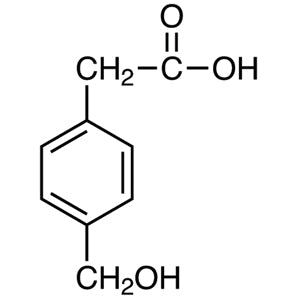
- TCI H1473 73401-74-8 4-(Hydroxymethyl)phenylacetic Acid
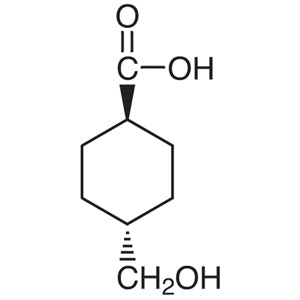
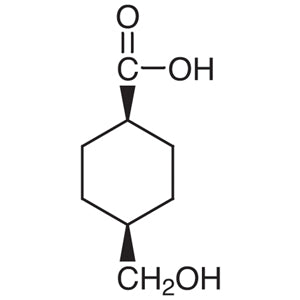
- TCI H1243 66185-74-8 trans-4-(Hydroxymethyl)cyclohexanecarboxylic Acid
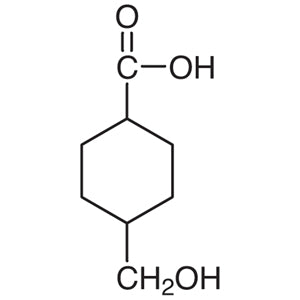
- TCI H1242 73094-35-6 cis-4-(Hydroxymethyl)cyclohexanecarboxylic Acid
- Organic synthesis projects benefit from this compound's ability to form complex molecular structures through amide and hydroxyl group interactions.
- Bioactive compound development relies on its reactivity in substitution and condensation reactions, aiding in the creation of pharmaceutical candidates.
- Structural chemistry research utilizes its stable molecular framework for studying molecular interactions and reaction mechanisms.
- Teaching laboratories use it to demonstrate fundamental organic reactions and functional group chemistry in undergraduate courses.
- Research institutions incorporate it into drug discovery programs to explore new synthetic pathways and molecular scaffolds.
| Brand | TCI |
|---|---|
| CAS number | 16375-88-5 |
| Molecular formula | — |
| Purity | — |
| Category | Chemistry > Building Blocks > Non-Heterocyclic Building Blocks |
| Pack sizes | Available in various quantities as per standard laboratory supply options |
| Physical form | Solid or powder, depending on packaging |
| Storage | Store in a cool, dry place away from direct sunlight and moisture |
This compound should be stored in a cool, dry environment to maintain its chemical stability. It is recommended to keep it in a sealed container to prevent exposure to moisture and air, which could affect its reactivity. Suitable storage containers include glass or high-density polyethylene (HDPE) bottles with airtight lids. In laboratory settings, it is important to handle the compound with appropriate personal protective equipment, such as gloves and safety goggles, to ensure safe handling. Avoid contact with incompatible materials, and ensure proper ventilation when working with this substance. Regular monitoring of storage conditions helps maintain the integrity of the compound for reliable experimental results.
—
Produk Terkait
-
N-(4-Hydroxyphenethyl)acetamide TCI A3518
Regular price From Rp 2.704.800,00Regular price -
Diethyl2,2-Bis(hydroxymethyl)malonate TCI B1492
Regular price From Rp 3.021.900,00Regular price -
4-Hydroxy-2-(hydroxymethyl)-2-cyclopenten-1-one TCI H1723
Regular price Rp 1.936.200,00Regular price -
4-(Hydroxymethyl)phenylaceticAcid TCI H1473
Regular price From Rp 955.500,00Regular price -
trans-4-(Hydroxymethyl)cyclohexanecarboxylicAcid TCI H1243
Regular price From Rp 3.207.750,00Regular price -
cis-4-(Hydroxymethyl)cyclohexanecarboxylicAcid TCI H1242
Regular price From Rp 1.749.300,00Regular price -
4-(Hydroxymethyl)cyclohexanecarboxylicAcid(cis-andtrans-mixture) TCI H1015
Regular price Rp 4.347.000,00Regular price -
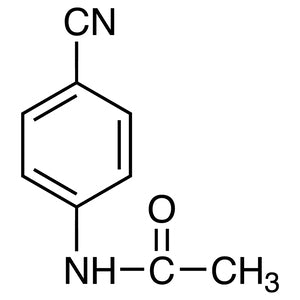
N-(4-Cyanophenyl)acetamide TCI A2173
Regular price From Rp 1.035.300,00Regular price