

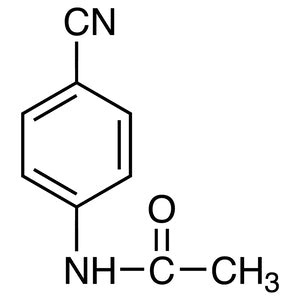
N-(4-Cyanophenyl)acetamide is a chemical compound widely used in organic synthesis reactions within laboratory settings. As a building block in the field of chemistry, it plays a crucial role in the development of more complex molecular structures. Its simple molecular structure allows for versatile chemical modifications, making it a valuable tool for researchers. This compound is commonly utilized in both academic and industrial laboratories for its ability to participate in various chemical reactions, contributing to the synthesis of aromatic and heterocyclic compounds.
The compound is known for its chemical stability and reactivity, which make it a preferred choice for a wide range of experimental applications. It exhibits good solubility in organic solvents such as ethyl acetate and ethanol, facilitating its use in diverse reaction conditions. Additionally, its ability to react with reagents like alcohols, acids, and bases enhances its utility in synthetic processes. The high purity and consistent quality of N-(4-Cyanophenyl)acetamide ensure reliable results in scientific research, making it a trusted material for precision-driven experiments.
In Indonesian laboratories, N-(4-Cyanophenyl)acetamide is extensively used in chemical and pharmaceutical research. It is a common component in the synthesis of new compounds, drug development, and molecular structure studies. Its availability and reliability have made it a staple in research institutions and universities across Indonesia, supporting both fundamental and applied scientific investigations.
Related TCI products
- TCI E1080 49744-93-6 Ethyl 3-(4-Cyanophenyl)-3-oxopropionate
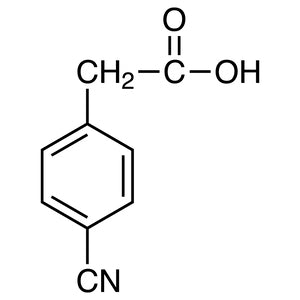
- TCI C3095 5462-71-5 (4-Cyanophenyl)acetic Acid
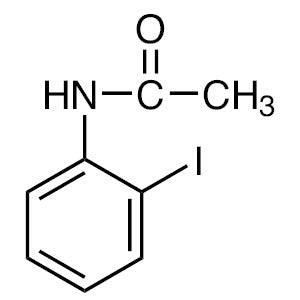
- TCI I1162 19591-17-4 N-(2-Iodophenyl)acetamide
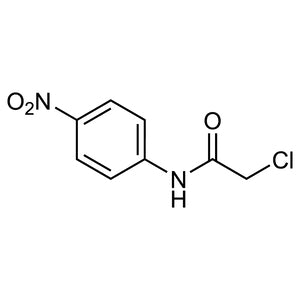
- TCI C3966 17329-87-2 2-Chloro-N-(4-nitrophenyl)acetamide
- TCI C1748 99071-55-3 2-[4-(Cyanomethyl)phenyl]acetamide
- TCI B4362 39255-60-2 N'-(4-Bromo-2-cyanophenyl)-N,N-dimethylformamidine
- Organic synthesis reactions benefit from this compound's reactivity and versatility in forming complex molecular structures.
- Pharmaceutical research utilizes it for the development of new drugs and therapeutic agents through chemical modifications.
- Molecular structure studies rely on its stability and solubility to analyze and manipulate chemical compounds effectively.
- Academic research in chemistry uses it as a fundamental building block for teaching and experimental purposes.
- Industrial applications in chemical manufacturing take advantage of its chemical properties for process optimization.
| Brand | TCI |
|---|---|
| CAS number | 35704-19-9 |
| Molecular formula | — |
| Purity | — |
| Category | Chemistry > Building Blocks > Non-Heterocyclic Building Blocks |
| Pack sizes | Available in standard laboratory quantities |
| Physical form | Solid powder |
| Storage | Store in a cool, dry place away from direct light |
N-(4-Cyanophenyl)acetamide should be stored in a cool, dry environment to maintain its chemical stability and prevent degradation. It is recommended to keep the compound in a tightly sealed container to minimize exposure to moisture and air. Due to its reactivity, it should be handled in a well-ventilated area, and appropriate personal protective equipment should be worn when working with it. Avoid contact with incompatible substances such as strong acids or bases. Regular inspection of storage conditions ensures the compound remains in optimal condition for use in laboratory applications. Proper labeling and storage practices help maintain safety and efficiency in laboratory operations.
—
Produk Terkait
-
Ethyl3-(4-Cyanophenyl)-3-oxopropionate TCI E1080
Regular price Rp 1.351.350,00Regular priceRp 960.750,00Sale price Rp 1.351.350,00 -
(4-Cyanophenyl)aceticAcid TCI C3095
Regular price Rp 1.220.100,00Regular priceRp 868.350,00Sale price Rp 1.220.100,00 -
N-(2-Iodophenyl)acetamide TCI I1162
Regular price Rp 1.618.050,00Regular priceRp 1.146.600,00Sale price Rp 1.618.050,00 -
2-Chloro-N-(4-nitrophenyl)acetamide TCI C3966
Regular price Rp 2.227.050,00Regular priceRp 1.572.900,00Sale price Rp 2.227.050,00 -
2-[4-(Cyanomethyl)phenyl]acetamide TCI C1748
Regular price Rp 4.001.550,00Regular priceRp 2.814.000,00Sale price Rp 4.001.550,00 -
N'-(4-Bromo-2-cyanophenyl)-N,N-dimethylformamidine TCI B4362
Regular price Rp 4.213.650,00Regular priceRp 2.962.050,00Sale price Rp 4.213.650,00 -
3-CyanophenacylBromide TCI B4079
Regular price Rp 7.102.200,00Regular priceRp 4.982.250,00Sale price Rp 7.102.200,00 -
Bis(4-cyanophenyl)Ether TCI B2790
Regular price Rp 3.472.350,00Regular priceRp 2.443.350,00Sale price Rp 3.472.350,00

![2-[4-(Cyanomethyl)phenyl]acetamide (CAS 99071-55-3) - TCI C1748 - AMI Scientific](http://amiscientific.com/cdn/shop/files/TCI2510C1748.jpg?v=1767097384&width=533)


