N’-(4-Bromo-2-cyanophenyl)-N,N-dimethylformamidine is a chemical compound widely used as a building block in the synthesis of complex molecules. This compound plays a crucial role in organic chemistry laboratories, where it serves as a versatile reagent for creating nitrogen-carbon bonds. Its unique molecular structure allows it to participate in various chemical reactions, making it an essential tool for researchers aiming to develop new compounds with specific functional properties. Due to its reactivity and structural complexity, it is frequently employed in the preparation of heterocyclic and functionalized organic molecules.
The compound’s high reactivity is attributed to the presence of bromo and cyano functional groups, which enhance its ability to undergo substitution and condensation reactions. These reactive sites make it ideal for applications requiring precise chemical transformations. Additionally, its stability under controlled laboratory conditions ensures consistent performance across a range of experimental setups. The combination of reactivity and stability makes it a preferred choice for synthetic chemists working on advanced molecular designs.
In Indonesian laboratories, this compound is commonly used in organic chemistry research, particularly in the development of new compounds with potential pharmaceutical or industrial applications. It is a key component in the synthesis of bioactive molecules and is utilized by research institutions and universities to advance chemical innovation. Its versatility and reliability make it an essential reagent in the pursuit of scientific discovery and technological advancement.
- Organic synthesis of heterocyclic compounds due to its ability to form nitrogen-carbon bonds in complex structures.
- Development of bioactive molecules for pharmaceutical research because of its reactivity and functional group versatility.
- Preparation of functionalized organic compounds for industrial applications through substitution and condensation reactions.
- Research in chemical innovation where precise molecular transformations are required for new compound development.
- Use in academic laboratories for teaching and experimental purposes in advanced organic chemistry courses.
| Brand | TCI |
|---|---|
| CAS number | 39255-60-2 |
| Molecular formula | — |
| Purity | — |
| Category | Chemistry > Building Blocks > Non-Heterocyclic Building Blocks |
| Pack sizes | Available in standard laboratory quantities as per supplier specifications |
| Physical form | Solid, crystalline appearance |
| Storage | Store in a cool, dry place away from light and moisture |
This compound should be stored in a cool, dry environment, away from direct light and moisture to maintain its chemical integrity. It is recommended to use airtight containers made of glass or high-density polyethylene to prevent contamination and degradation. Due to its reactivity, it should be handled with care using appropriate personal protective equipment such as gloves and safety goggles. It is important to ensure proper ventilation in the laboratory when working with this compound to minimize exposure. Avoid contact with incompatible materials and keep it away from heat sources to prevent any potential chemical reactions. Proper storage and handling procedures are essential to ensure safety and maintain the compound’s effectiveness in laboratory applications.
—
Produk Terkait
-
Bis(4-cyanophenyl)Ether TCI B2790
Regular price From Rp 3.472.350,00Regular priceRp 2.443.350,00Sale price From Rp 3.472.350,00 -
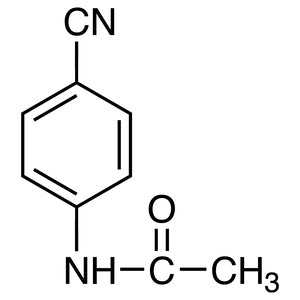
N-(4-Cyanophenyl)acetamide TCI A2173
Regular price From Rp 1.087.800,00Regular priceRp 775.950,00Sale price From Rp 1.087.800,00 -
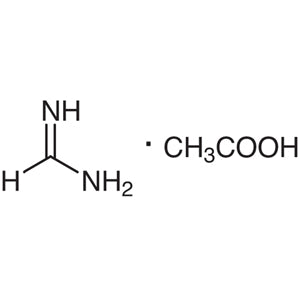
FormamidineAcetate TCI F0154
Regular price From Rp 637.350,00Regular priceRp 460.950,00Sale price From Rp 637.350,00 -
FormamidineHydrochloride TCI F0103
Regular price From Rp 1.378.650,00Regular priceRp 979.650,00Sale price From Rp 1.378.650,00 -
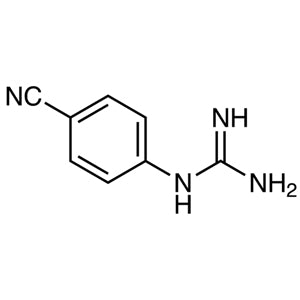
1-(4-Cyanophenyl)guanidine TCI C3387
Regular price From Rp 769.650,00Regular priceRp 553.350,00Sale price From Rp 769.650,00 -
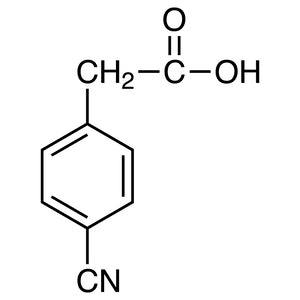
(4-Cyanophenyl)aceticAcid TCI C3095
Regular price From Rp 1.220.100,00Regular priceRp 868.350,00Sale price From Rp 1.220.100,00 -
Ethyl3-(4-Cyanophenyl)-3-oxopropionate TCI E1080
Regular price From Rp 1.351.350,00Regular priceRp 960.750,00Sale price From Rp 1.351.350,00 -
4-Cyanophenyl4-Butylbenzoate TCI C3794
Regular price From Rp 900.900,00Regular priceRp 645.750,00Sale price From Rp 900.900,00