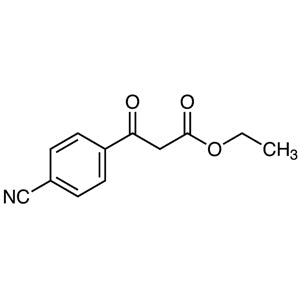
Ethyl 3-(4-Cyanophenyl)-3-oxopropionate is a chemical compound widely used in organic synthesis reactions within laboratory settings. As a building block in the field of chemistry, it serves as a versatile intermediate for the development of more complex molecules. Its molecular structure enables it to participate in various chemical reactions, making it an essential tool for researchers working in synthetic chemistry. This compound is commonly found in scientific applications, particularly in pharmacological research and the synthesis of organic compounds.
The compound’s stability under specific conditions and its solubility in organic solvents make it a preferred choice for laboratory use. These properties facilitate efficient processing and separation techniques, which are crucial in both academic and industrial research environments. Its chemical characteristics allow it to be a reliable component in the creation of bioactive compounds, contributing to the development of pharmaceuticals and other specialized products. The compound’s predictable behavior in chemical reactions enhances its utility in laboratory settings.
In Indonesian laboratories, Ethyl 3-(4-Cyanophenyl)-3-oxopropionate is frequently used by researchers in educational and research institutions. It is a key reagent in experiments related to organic synthesis and drug development. Its availability and chemical properties make it a valuable resource for scientists working on projects that require precise chemical intermediates. The compound supports a wide range of experimental applications, making it an important material in the chemical research landscape of Indonesia.
Related TCI products
- Organic synthesis reactions benefit from this compound’s ability to serve as a versatile intermediate in the creation of complex molecules.
- Pharmacological research utilizes it to develop bioactive compounds with potential therapeutic applications.
- Industrial chemical processes leverage its solubility and reactivity for efficient synthesis of specialty chemicals.
- Academic research in chemistry employs it as a fundamental building block for teaching and experimental studies.
- Drug development projects use it to explore new compounds with targeted biological activities.
| Brand | TCI |
|---|---|
| CAS number | 49744-93-6 |
| Molecular formula | — |
| Purity | — |
| Category | Chemistry > Building Blocks > Non-Heterocyclic Building Blocks |
| Pack sizes | Available in standard laboratory quantities |
| Physical form | Solid or liquid, depending on the specific product variant |
| Storage | — |
Ethyl 3-(4-Cyanophenyl)-3-oxopropionate should be stored in a cool, dry place away from direct sunlight and sources of heat. It is recommended to keep the compound in airtight containers to prevent exposure to moisture and air. Due to its chemical nature, it is important to handle it with appropriate personal protective equipment, such as gloves and safety goggles, to ensure safety in the laboratory. Storage conditions should maintain a stable environment to preserve the compound’s integrity and effectiveness for use in experiments. Proper labeling and secure storage are essential to prevent accidental exposure and ensure safe handling in laboratory settings.
—
Produk Terkait
-
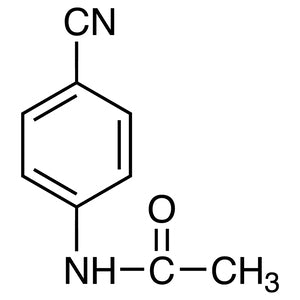
N-(4-Cyanophenyl)acetamide TCI A2173
Regular price From Rp 1.035.300,00Regular price -
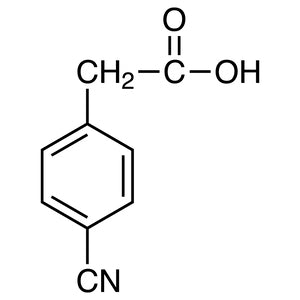
(4-Cyanophenyl)aceticAcid TCI C3095
Regular price From Rp 1.167.600,00Regular price -
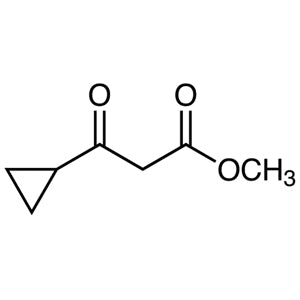
Methyl3-Cyclopropyl-3-oxopropionate TCI M2277
Regular price From Rp 717.150,00Regular price -
Ethyl3-Cyclohexyl-3-oxopropionate TCI E1126
Regular price Rp 2.411.850,00Regular price -
Bis(4-cyanophenyl)Ether TCI B2790
Regular price From Rp 3.419.850,00Regular price -
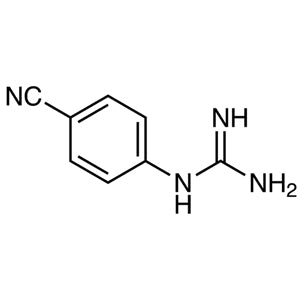
1-(4-Cyanophenyl)guanidine TCI C3387
Regular price From Rp 717.150,00Regular price -
N'-(4-Bromo-2-cyanophenyl)-N,N-dimethylformamidine TCI B4362
Regular price From Rp 4.161.150,00Regular price -
4-Cyanophenyl4-Butylbenzoate TCI C3794
Regular price From Rp 848.400,00Regular price