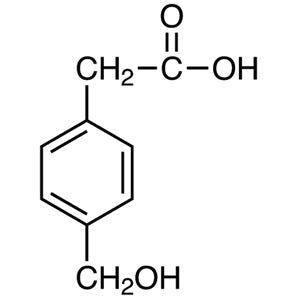
4-(Hydroxymethyl)phenylacetic Acid is a chemical compound widely used in organic synthesis reactions. It serves as a fundamental building block in the creation of complex molecules, making it a valuable resource for researchers in chemical laboratories. This compound is commonly utilized in the development of pharmaceuticals, agrochemicals, and specialty chemicals due to its versatile reactivity. Its presence in laboratory settings is essential for advancing synthetic methodologies and exploring new chemical structures.
The compound's stability and controlled reactivity make it a preferred choice for various chemical applications. It contains both hydroxyl and carboxylic acid functional groups, which contribute to its unique chemical properties. These groups enable it to participate in substitution and reduction reactions, offering a wide range of synthetic possibilities. Its non-toxic nature and ease of handling further enhance its appeal for use in laboratory environments.
In Indonesian laboratories, this compound is extensively used in academic and research settings. It is frequently employed in chemical synthesis projects, particularly in universities and research institutions. Its role in facilitating the development of new compounds makes it a staple in the chemical supply chain of Indonesian scientific communities. Researchers rely on it for its reliability and effectiveness in a variety of experimental processes.
Related TCI products
- TCI B1492 20605-01-0 Diethyl 2,2-Bis(hydroxymethyl)malonate
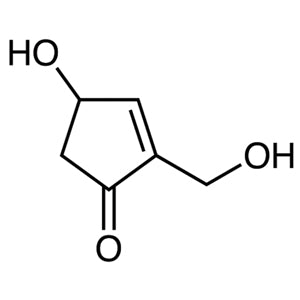
- TCI H1723 76374-26-0 4-Hydroxy-2-(hydroxymethyl)-2-cyclopenten-1-one
- TCI H1605 16375-88-5 N-[4-(Hydroxymethyl)phenyl]acetamide
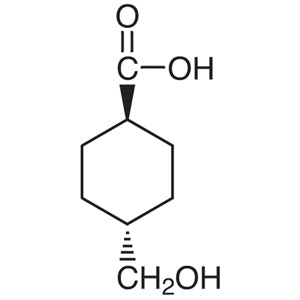
- TCI H1243 66185-74-8 trans-4-(Hydroxymethyl)cyclohexanecarboxylic Acid
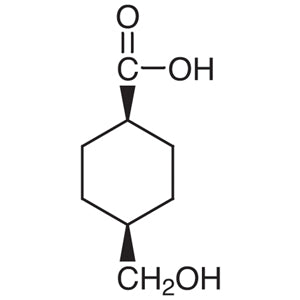
- TCI H1242 73094-35-6 cis-4-(Hydroxymethyl)cyclohexanecarboxylic Acid
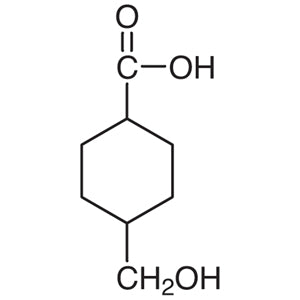
- TCI H1015 13380-84-2 4-(Hydroxymethyl)cyclohexanecarboxylic Acid (cis- and trans- mixture)
- Organic synthesis is a key application where this compound is used to build complex molecular structures through various reaction mechanisms.
- Pharmaceutical research benefits from its ability to participate in substitution and reduction reactions, aiding in the development of new drug compounds.
- Agrochemical development utilizes its reactivity to create compounds with specific biological activities for agricultural use.
- Specialty chemical production relies on its functional groups to tailor the properties of final products for industrial applications.
- Academic research in chemical education incorporates it as a fundamental building block for teaching synthetic chemistry techniques.
| Brand | TCI |
|---|---|
| CAS number | 73401-74-8 |
| Molecular formula | — |
| Purity | — |
| Category | Chemistry > Building Blocks > Non-Heterocyclic Building Blocks |
| Pack sizes | Available in various quantities as per standard laboratory supply formats |
| Physical form | Solid or crystalline, depending on the specific formulation |
| Storage | Store in a cool, dry place away from direct sunlight and moisture |
This compound should be stored in a cool, dry environment to maintain its chemical integrity. It is recommended to keep it in a tightly sealed container to prevent exposure to moisture and air. Proper ventilation is essential when handling it to ensure a safe working environment. Due to its non-toxic nature, it is generally considered safe for routine laboratory use, but standard safety protocols should still be followed. Avoid direct contact with skin and eyes, and ensure that it is stored away from incompatible materials. Regular inspection of storage conditions is advised to maintain optimal handling and safety standards.
—
Produk Terkait
-
Diethyl2,2-Bis(hydroxymethyl)malonate TCI B1492
Regular price From Rp 3.021.900,00Regular price -
4-Hydroxy-2-(hydroxymethyl)-2-cyclopenten-1-one TCI H1723
Regular price Rp 1.936.200,00Regular price -
N-[4-(Hydroxymethyl)phenyl]acetamide TCI H1605
Regular price From Rp 1.538.250,00Regular price -
trans-4-(Hydroxymethyl)cyclohexanecarboxylicAcid TCI H1243
Regular price From Rp 3.207.750,00Regular price -
cis-4-(Hydroxymethyl)cyclohexanecarboxylicAcid TCI H1242
Regular price From Rp 1.749.300,00Regular price -
4-(Hydroxymethyl)cyclohexanecarboxylicAcid(cis-andtrans-mixture) TCI H1015
Regular price Rp 4.347.000,00Regular price -
4-(Bromomethyl)phenylaceticAcid TCI B1351
Regular price From Rp 1.881.600,00Regular price -
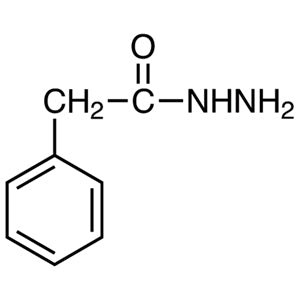
PhenylaceticHydrazide TCI P2203
Regular price From Rp 1.167.600,00Regular price

![16375-88-5 N-[4-(Hydroxymethyl)phenyl]acetamide - AMI Scientific](http://amiscientific.com/cdn/shop/files/TCI2510H1605.jpg?v=1767118290&width=533)