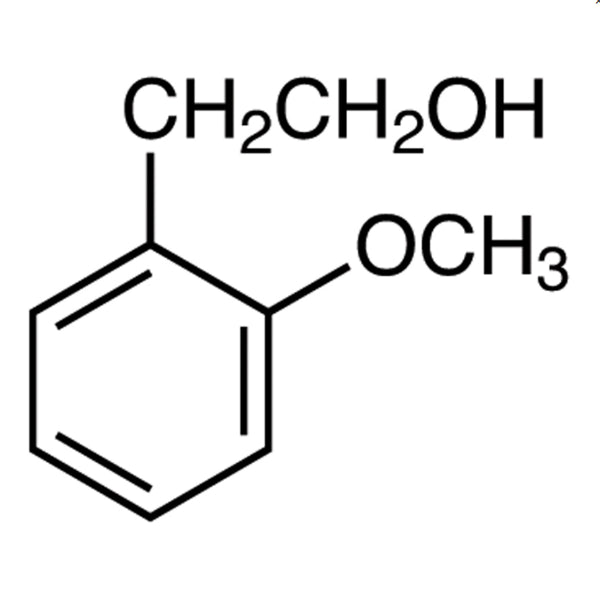
2-Methoxyphenethyl Alcohol (TCI M2657) is a chemical compound widely used as a foundational reagent in various chemical reactions. It belongs to the category of non-heterocyclic building blocks and is commonly utilized in organic chemistry and pharmacology. This compound serves as a versatile intermediate in the synthesis of more complex organic molecules, making it an essential tool for researchers and chemists. Its structural composition includes a phenyl group modified with a methoxy and an alkyl group, which contributes to its reactivity and functional versatility.
The compound's polar and volatile nature makes it highly soluble in organic solvents such as ethyl acetate and ethanol, facilitating its use in a wide range of chemical processes. These properties allow for efficient mixing and reaction conditions in laboratory settings. Additionally, its stability under certain conditions ensures that it remains a reliable reagent for short-term storage when handled properly. This combination of reactivity, solubility, and stability makes it a preferred choice for chemical synthesis and research applications.
In Indonesian laboratories, 2-Methoxyphenethyl Alcohol is frequently used in scientific research and development projects. Its availability and chemical properties make it a go-to reagent for organic synthesis, pharmaceutical research, and industrial chemical applications. It supports both academic and industrial research by providing a reliable and effective building block for creating new compounds and formulations.
- Organic synthesis where it acts as a key intermediate in the creation of complex organic molecules due to its reactive functional groups.
- Pharmaceutical research as it is used in the development of new drugs and medicinal compounds through chemical modification.
- Industrial chemical production where its solubility and reactivity make it suitable for manufacturing dyes, pigments, and specialty chemicals.
- Analytical chemistry applications where it serves as a standard or reagent in chromatographic and spectroscopic analyses.
- Environmental studies involving the analysis of organic pollutants and the development of remediation techniques using chemical reagents.
| Brand | TCI |
|---|---|
| CAS number | 7417-18-7 |
| Molecular formula | — |
| Purity | — |
| Category | Chemistry > Building Blocks > Non-Heterocyclic Building Blocks |
| Pack sizes | Available in various quantities as per supplier specifications |
| Physical form | Liquid |
| Storage | Store in a cool, dry place away from direct sunlight and incompatible materials |
2-Methoxyphenethyl Alcohol should be stored in a cool, dry environment, away from direct sunlight and sources of heat. It is recommended to keep it in a sealed container made of glass or high-density polyethylene to prevent evaporation and contamination. Due to its volatile nature, proper ventilation is essential when handling the compound. It should be kept away from strong oxidizing agents and incompatible substances to avoid chemical reactions. Regular inspection of storage containers is advised to ensure integrity and safety. Always follow standard laboratory safety protocols when working with this compound to minimize risks associated with its reactivity and volatility.
—
Produk Terkait
-
3-MethoxyphenethylAlcohol TCI M2658
Regular price From Rp 1.724.100,00Regular price -
4-MethoxyphenethylAlcohol TCI M0889
Regular price Rp 3.260.250,00Regular price -
2-(3-Methoxyphenethyl)phenol TCI M2472
Regular price From Rp 1.829.100,00Regular price -
1-(Dimethylamino)-3-[2-(3-methoxyphenethyl)phenoxy]-2-propanolHydrochloride TCI D4355
Regular price Rp 1.431.150,00Regular price -
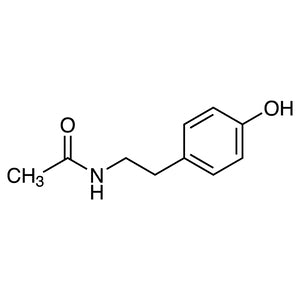
N-(4-Hydroxyphenethyl)acetamide TCI A3518
Regular price From Rp 2.704.800,00Regular price -
4-IodobenzylAlcohol TCI I0810
Regular price From Rp 2.889.600,00Regular price -
2-IodobenzylAlcohol TCI I0858
Regular price Rp 1.035.300,00Regular price -
3-IodobenzylAlcohol TCI I0866
Regular price From Rp 1.510.950,00Regular price


![1-(Dimethylamino)-3-[2-(3-methoxyphenethyl)phenoxy]-2-propanol Hydrochloride (CAS 135261-74-4) - TCI D4355 - AMI Scientific](http://amiscientific.com/cdn/shop/files/TCI2510D4355.jpg?v=1768818078&width=533)