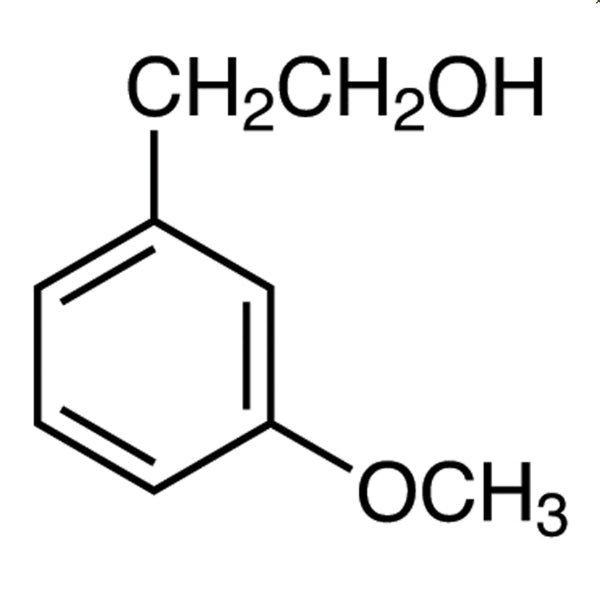
3-Methoxyphenethyl Alcohol (TCI M2658) is a chemical compound widely used as a foundational building block in the synthesis of complex molecules. It serves as a key intermediate in various chemical reactions, particularly those involving aromatic structures with methoxy substituents. This compound is essential in both heterocyclic and non-heterocyclic chemistry, playing a vital role in the development of pharmaceuticals, industrial chemicals, and advanced materials. Its presence in laboratory settings supports the creation of compounds with specific functional groups and structural characteristics.
The compound is valued for its stable molecular structure and controlled reactivity, making it ideal for substitution and oxidation reactions. Its polar nature allows it to dissolve in organic solvents such as ethyl acetate and ethanol, facilitating mixing and reaction processes in the lab. These properties enhance its utility in synthetic pathways where solubility and reactivity are critical. Additionally, its compatibility with a range of reagents and conditions makes it a versatile component in chemical synthesis.
In Indonesian laboratories, 3-Methoxyphenethyl Alcohol is extensively used in organic chemistry research, especially in the synthesis of bioactive compounds and industrial raw materials. It is also commonly employed in educational settings to teach students about molecular reactivity and structural chemistry. Its reliability and consistent performance make it a preferred choice for both academic and industrial applications.
- Bioactive Compound Synthesis: This compound is ideal for creating complex molecules with biological activity due to its ability to form aromatic structures with methoxy groups.
- Organic Chemistry Research: Its stability and reactivity make it a valuable tool for exploring new synthetic pathways and molecular transformations.
- Industrial Chemical Development: It serves as a building block for the production of various industrial chemicals, supporting the creation of functional materials.
- Educational Demonstrations: It is widely used in teaching environments to illustrate the principles of chemical reactivity and molecular structure.
- Material Science Investigations: Its role in forming complex structures supports research into advanced materials and polymer chemistry.
| Brand | TCI |
|---|---|
| CAS number | 5020-41-7 |
| Molecular formula | — |
| Purity | — |
| Category | Chemistry > Building Blocks > Non-Heterocyclic Building Blocks |
| Pack sizes | As listed on product packaging |
| Physical form | Liquid |
| Storage | Store in a cool, dry place away from direct sunlight |
3-Methoxyphenethyl Alcohol should be stored in a cool, dry place, away from direct sunlight and sources of heat. It is recommended to use airtight containers made of glass or high-density polyethylene to prevent contamination and evaporation. Due to its polar nature, it is important to handle the compound with proper personal protective equipment, including gloves and safety goggles, to avoid skin contact and inhalation. It should be kept away from incompatible substances such as strong oxidizing agents. Regular monitoring of storage conditions ensures the compound remains stable and suitable for use in laboratory applications. Proper labeling and storage practices help maintain safety and efficiency in the laboratory environment.
—
Produk Terkait
-
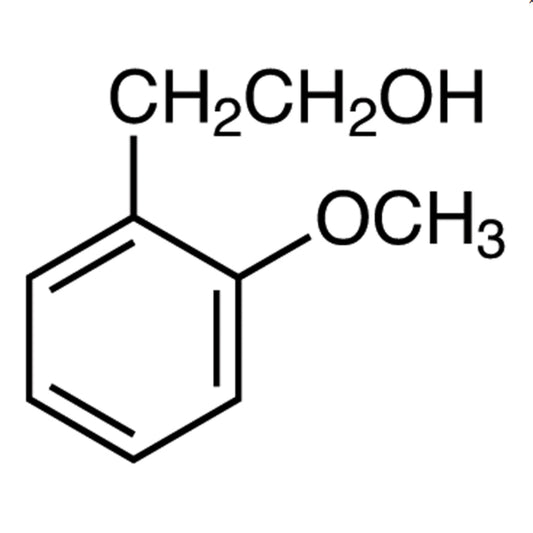
2-MethoxyphenethylAlcohol TCI M2657
Regular price From Rp 795.900,00Regular price -
4-MethoxyphenethylAlcohol TCI M0889
Regular price Rp 3.260.250,00Regular price -
2-(3-Methoxyphenethyl)phenol TCI M2472
Regular price From Rp 1.829.100,00Regular price -
1-(Dimethylamino)-3-[2-(3-methoxyphenethyl)phenoxy]-2-propanolHydrochloride TCI D4355
Regular price Rp 1.431.150,00Regular price -
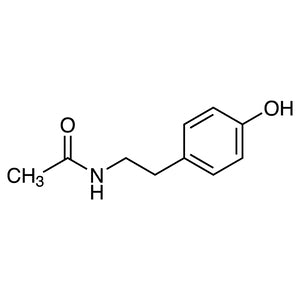
N-(4-Hydroxyphenethyl)acetamide TCI A3518
Regular price From Rp 2.704.800,00Regular price -
4-IodobenzylAlcohol TCI I0810
Regular price From Rp 2.889.600,00Regular price -
2-IodobenzylAlcohol TCI I0858
Regular price Rp 1.035.300,00Regular price -
3-IodobenzylAlcohol TCI I0866
Regular price From Rp 1.510.950,00Regular price



![1-(Dimethylamino)-3-[2-(3-methoxyphenethyl)phenoxy]-2-propanol Hydrochloride (CAS 135261-74-4) - TCI D4355 - AMI Scientific](http://amiscientific.com/cdn/shop/files/TCI2510D4355.jpg?v=1768818078&width=533)