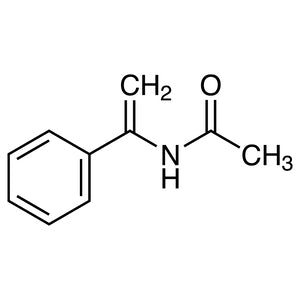
2-Chloro-N-(4-chlorophenyl)acetamide is a chemical compound widely used in organic synthesis reactions within laboratory settings. As a building block, it plays a crucial role in the development of more complex molecular structures. Its versatility allows chemists to modify its structure through substitution or other chemical reactions, making it a valuable tool in synthetic chemistry. This compound is commonly utilized in the creation of pharmaceuticals, industrial chemicals, and compounds with specific biological activities. Its presence in research laboratories supports the exploration of new chemical entities and the advancement of scientific knowledge.
The compound's chemical properties make it a preferred choice for various applications. Its molecular structure features two chlorine atoms and an amide group, contributing to its reactivity and ability to interact with a wide range of reagents. These characteristics enable it to participate in multiple synthetic pathways, offering flexibility in the design of new compounds. The stability of the compound under controlled conditions further enhances its utility, ensuring reliable results in experimental processes. Its reactivity and structural adaptability make it a key component in the toolkit of organic chemists.
In Indonesian laboratories, this compound is frequently used by researchers and scientists working in organic chemistry, pharmaceutical development, and pharmacological studies. Its role in building complex molecules is essential for advancing research in drug discovery and chemical synthesis. The compound's availability and reliability make it a standard material in academic and industrial research settings across Indonesia.
Related TCI products
- TCI M3626 37394-93-7 2-Chloro-N-(o-tolyl)acetamide
- TCI C3974 22303-36-2 2-Chloro-N-(4-methoxyphenyl)acetamide
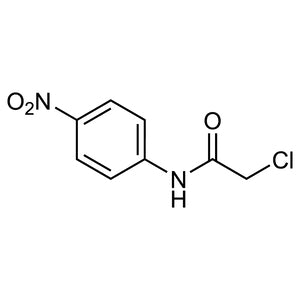
- TCI C3966 17329-87-2 2-Chloro-N-(4-nitrophenyl)acetamide
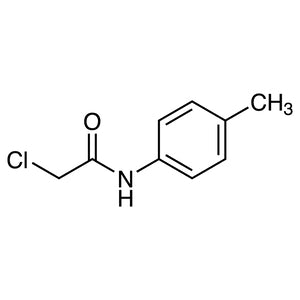
- TCI C3837 16634-82-5 2-Chloro-N-(p-tolyl)acetamide
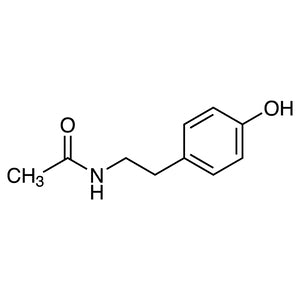
- TCI A3518 1202-66-0 N-(4-Hydroxyphenethyl)acetamide
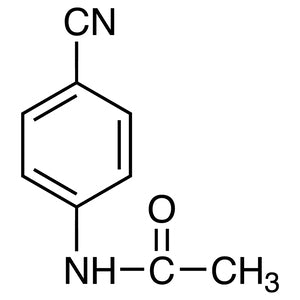
- TCI A2173 35704-19-9 N-(4-Cyanophenyl)acetamide
- Organic synthesis: This compound is ideal for constructing complex molecules due to its reactive amide group and chloro substituents, allowing for diverse chemical modifications.
- Pharmaceutical research: It serves as a building block for developing new drugs, particularly those targeting specific biological pathways or disease mechanisms.
- Industrial chemical production: Its chemical stability and reactivity make it suitable for the synthesis of various industrial chemicals and intermediates.
- Pharmacological studies: Researchers use it to investigate its potential biological activity and interactions with other compounds in drug development.
- Academic research: It is commonly used in university and research institutions for teaching and experimental purposes in organic chemistry courses.
| Brand | TCI |
|---|---|
| CAS number | 3289-75-6 |
| Molecular formula | — |
| Purity | — |
| Category | Chemistry > Building Blocks > Non-Heterocyclic Building Blocks |
| Pack sizes | Available in various quantities as per supplier specifications |
| Physical form | Solid |
| Storage | Store in a cool, dry place away from direct sunlight and moisture |
This compound should be stored in a cool, dry environment to maintain its chemical stability. It is recommended to use airtight containers to prevent exposure to moisture and air, which could affect its reactivity. Due to its potential reactivity, it should be handled with care, using appropriate personal protective equipment such as gloves and safety goggles. Storage should be in a well-ventilated area, and it should be kept away from incompatible substances. Proper labeling and storage conditions are essential to ensure safe handling and long-term usability in laboratory settings.
—
Produk Terkait
-
2-Chloro-N-(o-tolyl)acetamide TCI M3626
Regular price Rp 3.738.000,00Regular price -
2-Chloro-N-(4-methoxyphenyl)acetamide TCI C3974
Regular price From Rp 3.683.400,00Regular price -
2-Chloro-N-(4-nitrophenyl)acetamide TCI C3966
Regular price Rp 2.174.550,00Regular price -
2-Chloro-N-(p-tolyl)acetamide TCI C3837
Regular price From Rp 1.167.600,00Regular price -
N-(4-Hydroxyphenethyl)acetamide TCI A3518
Regular price From Rp 2.704.800,00Regular price -
N-(4-Cyanophenyl)acetamide TCI A2173
Regular price From Rp 1.035.300,00Regular price -
N-(1-Phenylethyl)acetamide TCI P3170
Regular price From Rp 1.035.300,00Regular price -
N-(1-Phenylethenyl)acetamide TCI P3046
Regular price Rp 4.743.900,00Regular price