N-(1-Phenylethyl)acetamide is a chemical compound widely used as a building block in the synthesis of complex molecules. It plays a crucial role in organic chemistry laboratories, where it is employed to construct molecular frameworks through amide bond formation or substitution reactions. This compound is essential for researchers aiming to develop new substances with specific functional properties. Its versatility makes it a valuable tool in both fundamental and applied research settings.
The compound's stable chemical structure and predictable reactivity make it a preferred choice for laboratory applications. It can interact with various reagents and is suitable for reactions under controlled conditions, such as in organic solvents or with specific catalysts. Its ability to maintain chemical integrity during synthesis processes ensures reliable results, making it ideal for high-precision research. The compound's compatibility with different reaction conditions enhances its utility in diverse chemical experiments.
In Indonesian laboratories, N-(1-Phenylethyl)acetamide is commonly used by chemists in universities and research institutions. It is frequently found in projects related to the synthesis of organic compounds, particularly in the development of new materials and pharmaceuticals. Its role in building complex molecular structures supports both academic and industrial research efforts in the country.
Related TCI products
- Organic synthesis projects benefit from this compound's role in forming amide bonds, enabling the creation of complex molecular structures with high precision.
- Pharmaceutical research utilizes it as a key intermediate in the development of new drug compounds, supporting the design of molecules with specific biological activities.
- Material science applications leverage its chemical stability to synthesize polymers and other functional materials with tailored properties.
- Academic research in chemistry relies on its predictable reactivity for teaching and experimental purposes, enhancing student understanding of organic reaction mechanisms.
- Industrial chemical processes incorporate it in the production of specialty chemicals, where controlled synthesis is essential for product quality and consistency.
| Brand | TCI |
|---|---|
| CAS number | 36065-27-7 |
| Molecular formula | — |
| Purity | — |
| Category | Chemistry > Building Blocks > Non-Heterocyclic Building Blocks |
| Pack sizes | Available in various quantities as per standard laboratory supply options |
| Physical form | Solid, typically in crystalline or powder form |
| Storage | Store in a cool, dry place away from direct sunlight and moisture |
N-(1-Phenylethyl)acetamide should be stored in a cool, dry environment to maintain its chemical stability. It is recommended to keep it in a sealed container to prevent exposure to moisture and air. Suitable storage containers include glass or high-density polyethylene vessels, which provide protection against chemical degradation. In laboratory settings, it is important to handle the compound with care, using appropriate personal protective equipment such as gloves and goggles. Avoid contact with incompatible substances, and ensure proper ventilation when working with it. Regular monitoring of storage conditions helps maintain the compound's integrity and ensures safe usage in research applications.
—
Produk Terkait
-
N-(2-Phenylethyl)acetamide TCI P1066
Regular price Rp 1.724.100,00Regular price -
2-PhenylethylAcetate TCI A0692
Regular price From Rp 769.650,00Regular price -
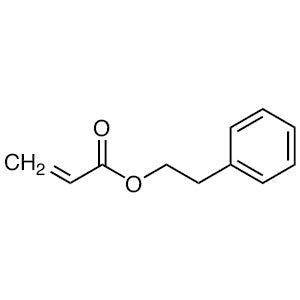
2-PhenylethylAcrylate TCI P2888
Regular price From Rp 1.538.250,00Regular price -
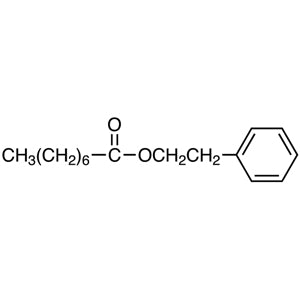
2-Phenylethyln-Octanoate TCI P2741
Regular price From Rp 1.298.850,00Regular price -
2-PhenylethylMethacrylate(stabilizedwithHQ) TCI P2714
Regular price From Rp 1.298.850,00Regular price -
2-PhenylethylIsovalerate TCI P2009
Regular price Rp 557.550,00Regular price -
2-PhenylethylIsobutyrate TCI P2008
Regular price From Rp 795.900,00Regular price -
2-PhenylethylPropionate TCI P1823
Regular price Rp 689.850,00Regular price