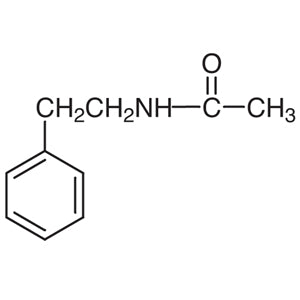
N-(2-Phenylethyl)acetamide from TCI, also known as N-acetylphenethylamine, is a simple amide formed from phenethylamine and an acetyl group. In the laboratory it serves as a building block and a model substrate in organic synthesis. Its best-known use is in the Bischler–Napieralski reaction, where it forms the 3,4-dihydroisoquinoline framework, the core structure of many alkaloids. It is also often used as a reference compound in studies of biogenic amine metabolism and in the testing of analytical methods.
Researchers choose this material because it combines an aromatic ring, an ethylene chain, and an amide group in one stable, easy-to-handle molecule. The amide group protects the amine nitrogen, so the compound reacts in a more controlled way than the free amine. The same amide group also acts as the activation point for intramolecular cyclization. Its simple structure makes it a good substrate for testing new reaction methods, such as amide activation, reduction, or aromatic C–H functionalization. Because it is stable, it also works well as a standard in chromatography.
In Indonesia, this material is useful to organic chemistry and pharmaceutical chemistry laboratories at universities and research institutions. Synthesis groups can use it to practice and optimize cyclization reactions that lead to isoquinoline-type scaffolds. Analytical laboratories can use it as a reference compound when developing or checking chromatographic methods. Researchers working on biogenic amines can include it as a comparison compound in metabolism studies. Because the molecule is simple and well characterized, it also suits teaching laboratories and method-development projects.
Related TCI products
- Bischler–Napieralski cyclization: this compound is a classic substrate for building the 3,4-dihydroisoquinoline framework, because its amide group serves as the activation point for intramolecular ring closure.
- Alkaloid scaffold synthesis: the 3,4-dihydroisoquinoline core it produces is the basic structure of many alkaloids, so it is a practical starting point for research on related natural products.
- Testing new reaction methods: its simple, stable structure makes it an ideal model substrate for evaluating amide activation, reduction, or aromatic C–H functionalization methods.
- Biogenic amine metabolism studies: as the acetylated form of phenethylamine, it is often used as a reference compound when studying how biogenic amines are metabolized.
- Chromatography and analytical method testing: its stability makes it suitable as a standard for developing, validating, and checking chromatographic and other analytical methods in research laboratories.
| Brand | TCI (product code P1066) |
|---|---|
| CAS number | 877-95-2 |
| Molecular formula | — |
| Purity | — |
| Category | Chemistry > Building Blocks > Non-Heterocyclic Building Blocks |
| Pack sizes | see the available pack options on the product listing |
| Physical form | see the TCI product label and certificate of analysis |
| Storage | follow the storage conditions on the TCI label and safety data sheet |
Store N-(2-Phenylethyl)acetamide in its original tightly closed container in a cool, dry, well-ventilated place, away from direct sunlight, heat sources, and incompatible chemicals such as strong oxidizing agents. Always follow the storage temperature shown on the TCI label. Keep containers clearly labeled and reseal them right after use to protect the material from moisture and contamination. Handle it according to the safety data sheet, using standard protective equipment such as lab coats, gloves, and safety glasses. Avoid creating dust or inhaling the material, and work in a fume hood when appropriate. Dispose of waste according to institutional and local regulations.
—
Produk Terkait
-
N-(1-Phenylethyl)acetamide TCI P3170
Regular price From Rp 1.035.300,00Regular price -
2-PhenylethylAcetate TCI A0692
Regular price From Rp 769.650,00Regular price -
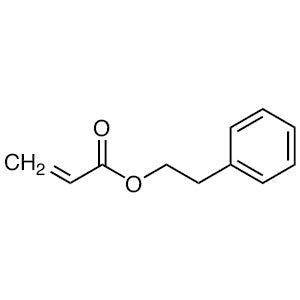
2-PhenylethylAcrylate TCI P2888
Regular price From Rp 1.538.250,00Regular price -
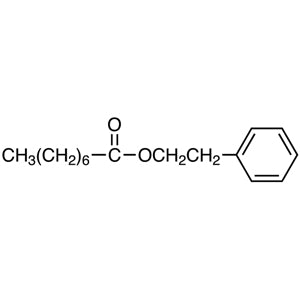
2-Phenylethyln-Octanoate TCI P2741
Regular price From Rp 1.298.850,00Regular price -
2-PhenylethylMethacrylate(stabilizedwithHQ) TCI P2714
Regular price From Rp 1.298.850,00Regular price -
2-PhenylethylIsovalerate TCI P2009
Regular price Rp 557.550,00Regular price -
2-PhenylethylIsobutyrate TCI P2008
Regular price From Rp 795.900,00Regular price -
2-PhenylethylPropionate TCI P1823
Regular price Rp 689.850,00Regular price