2-Phenylethyl Isovalerate from TCI is an ester formed from isovaleric acid (3-methylbutanoic acid) and 2-phenylethanol. It is a non-heterocyclic aromatic ester, known in fragrance and flavour studies for its fruity aroma with a rose-like note. In the laboratory, it serves as a simple building block, a reference standard for the analysis of volatile components, and a material for aroma formulation research. Its well-defined ester structure makes it a convenient compound for both synthetic and analytical work.
Researchers often choose this ester because its acyl chain is longer and branched compared with shorter phenylethyl esters. This structural difference affects its volatility, chromatographic retention time, and aroma character, which makes the compound useful for comparative studies within a homologous series. Its ester bond can be hydrolysed by chemical or enzymatic means. As a result, it works well as a model substrate for hydrolysis studies and as a comparison compound when identifying esters in natural samples. These features make it a practical and informative choice for many research settings.
In Indonesia, this material suits analytical chemistry laboratories, food technology departments, essential oil research groups, and teams developing cosmetic or fragrance products. Universities and research institutes can use it as a reference when profiling volatile compounds in local plant materials and essential oils. The 25mL pack size is practical for reference standard preparation, small-scale formulation trials, and academic research such as undergraduate thesis (skripsi) projects, where only modest quantities are needed.
- Volatile compound analysis: it serves as a reference standard for identifying and comparing ester components in chromatographic profiles of flavour, fragrance, and natural product samples.
- Homologous series studies: its longer, branched acyl chain allows researchers to compare volatility, retention time, and aroma character against shorter phenylethyl esters in a systematic way.
- Ester hydrolysis research: its ester bond can be cleaved chemically or enzymatically, making it a useful model substrate for studying hydrolysis conditions and enzyme activity.
- Essential oil research: it acts as a comparison compound when identifying esters in natural samples, which supports the characterisation of essential oils and plant extracts.
- Fragrance and cosmetic formulation: its fruity aroma with a rose-like note makes it suitable for small-scale aroma formulation trials and product development research.
| Brand | TCI |
|---|---|
| CAS number | 140-26-1 |
| Molecular formula | — |
| Purity | — |
| Category | Chemistry > Building Blocks > Non-Heterocyclic Building Blocks |
| Pack sizes | 25mL |
| Physical form | — |
| Storage | keep tightly closed in a cool, dry, well-ventilated place, following the manufacturer's label and safety data sheet |
- Product code: P2009
Store 2-Phenylethyl Isovalerate in its original, tightly closed container in a cool, dry, well-ventilated area, away from direct sunlight, heat sources, and ignition sources. Keep it separate from strong oxidising agents, acids, and bases, which may promote degradation or hydrolysis of the ester. Always check the manufacturer's label and safety data sheet for specific storage requirements. Handle the material in a fume hood or well-ventilated area while wearing suitable gloves, safety glasses, and a laboratory coat. Avoid inhaling vapours and avoid contact with skin and eyes. Reseal the container promptly after use to limit evaporation and contamination, and dispose of waste according to local regulations.
—
Produk Terkait
-
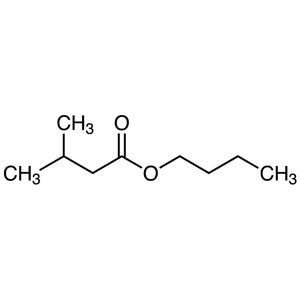
ButylIsovalerate TCI B3718
Regular price From Rp 610.050,00Regular price -
2-PhenylethylAcetate TCI A0692
Regular price From Rp 769.650,00Regular price -
N-(1-Phenylethyl)acetamide TCI P3170
Regular price From Rp 1.035.300,00Regular price -
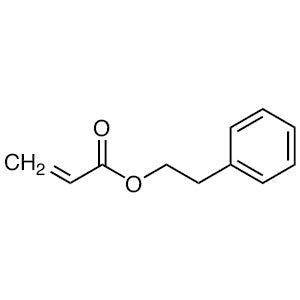
2-PhenylethylAcrylate TCI P2888
Regular price From Rp 1.538.250,00Regular price -
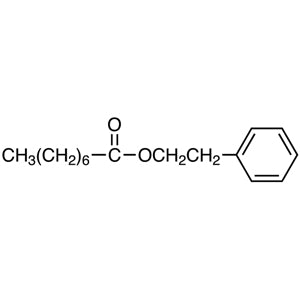
2-Phenylethyln-Octanoate TCI P2741
Regular price From Rp 1.298.850,00Regular price -
2-PhenylethylMethacrylate(stabilizedwithHQ) TCI P2714
Regular price From Rp 1.298.850,00Regular price -
2-PhenylethylPropionate TCI P1823
Regular price Rp 689.850,00Regular price -
N-(2-Phenylethyl)acetamide TCI P1066
Regular price Rp 1.724.100,00Regular price