2-Phenylethyl Propionate is a chemical compound widely used in synthetic applications within laboratory settings. As a fundamental building block in organic synthesis, it serves as a key ingredient in the production of aromatic compounds, esters, and related substances. Its versatility makes it an essential material for researchers working on complex chemical structures. In the laboratory, it functions as a valuable reagent in esterification and substitution reactions, contributing to the development of new chemical compounds and functional materials.
The compound’s stable chemical properties and good reactivity make it a preferred choice for various chemical reactions. Its molecular structure, which combines a phenyl group with a propionate group, allows for multiple reaction pathways, enhancing its utility in synthetic processes. Additionally, its distinct aroma makes it suitable for applications in fragrance development and analytical chemistry. These characteristics ensure that it remains a reliable and effective tool for chemists in diverse research environments.
In Indonesian laboratories, 2-Phenylethyl Propionate is commonly used in chemical research, including the development of new chemical materials, analytical component studies, and the synthesis of organic compounds. Its availability and favorable chemical properties make it a sought-after material for researchers and practitioners in educational and research institutions. Its role in both academic and industrial applications underscores its importance in the chemical sciences.
Related TCI products
- Organic synthesis applications benefit from its role as a versatile building block for creating aromatic and ester compounds.
- It is ideal for esterification reactions due to its reactivity and compatibility with various functional groups.
- In fragrance development, its distinct aroma makes it a valuable component for synthetic fragrance formulations.
- It supports analytical chemistry by serving as a reference standard or reagent in compound identification.
- It is used in the development of new chemical materials due to its structural adaptability and chemical stability.
| Brand | TCI |
|---|---|
| CAS number | 122-70-3 |
| Molecular formula | — |
| Purity | — |
| Category | Chemistry > Building Blocks > Non-Heterocyclic Building Blocks |
| Pack sizes | Available in standard laboratory quantities |
| Physical form | Liquid |
| Storage | Store in a cool, dry place away from direct sunlight |
This compound should be stored in a cool, dry location, away from direct sunlight and sources of heat. It is recommended to use airtight containers to prevent moisture absorption and contamination. Due to its chemical nature, it should be handled with appropriate personal protective equipment, such as gloves and safety goggles, to ensure laboratory safety. Avoid exposure to incompatible substances, and ensure proper ventilation when working with it. Regular monitoring of storage conditions is advised to maintain its chemical integrity and ensure safe usage in laboratory environments.
—
Produk Terkait
-
2-PhenylethylAcetate TCI A0692
Regular price From Rp 769.650,00Regular priceRp 537.600,00Sale price From Rp 769.650,00 -
N-(1-Phenylethyl)acetamide TCI P3170
Regular price From Rp 1.087.800,00Regular priceRp 775.950,00Sale price From Rp 1.087.800,00 -
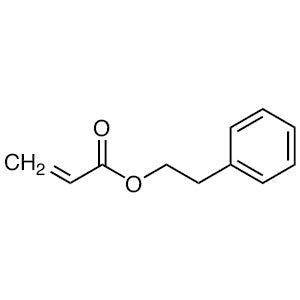
2-PhenylethylAcrylate TCI P2888
Regular price From Rp 1.538.250,00Regular priceRp 1.075.200,00Sale price From Rp 1.538.250,00 -
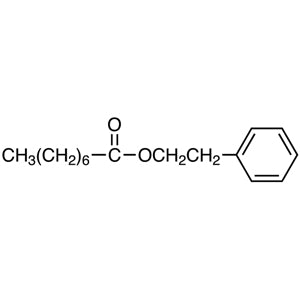
2-Phenylethyln-Octanoate TCI P2741
Regular price From Rp 1.351.350,00Regular priceRp 960.750,00Sale price From Rp 1.351.350,00 -
2-PhenylethylMethacrylate(stabilizedwithHQ) TCI P2714
Regular price From Rp 1.298.850,00Regular priceRp 908.250,00Sale price From Rp 1.298.850,00 -
2-PhenylethylIsovalerate TCI P2009
Regular price Rp 557.550,00Regular priceRp 389.550,00Sale price Rp 557.550,00 -
2-PhenylethylIsobutyrate TCI P2008
Regular price From Rp 795.900,00Regular priceRp 556.500,00Sale price From Rp 795.900,00 -
N-(2-Phenylethyl)acetamide TCI P1066
Regular price Rp 1.776.600,00Regular priceRp 1.257.900,00Sale price Rp 1.776.600,00