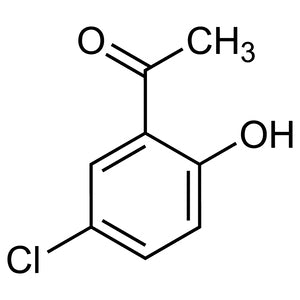
1-(5-Chloro-2-hydroxyphenyl)ethan-1-one (CAS 1450-74-4) is an organic compound belonging to the non-heterocyclic building blocks group, a class of chemical raw materials used as starting points in a wide range of organic syntheses in the laboratory. Its distinctive structure features a benzene ring substituted with chloro and hydroxy groups at specific positions, together with an acetyl group, making it an attractive intermediate for building more complex molecules. In the chemistry laboratory, this material serves as a starting reagent for substitution reactions, condensation reactions, and functional group modifications, whether in small-scale research or in the development of new compounds.
The main characteristic that makes this compound a preferred choice is the presence of hydroxy and chloro groups on its aromatic ring, which provide distinctive reactivity in various organic reactions. The hydroxy group enables the compound to participate in hydrogen bonding and esterification reactions, while the chloro atom can serve as a reactive site for further substitution, allowing versatile synthetic pathways. This combination of functional groups gives researchers flexibility when designing synthetic routes, making the compound valuable for pharmaceutical synthesis, fine chemical production, and the preparation of other intermediates. Its well-defined structure also supports reproducible results across repeated experiments.
In Indonesian laboratories, researchers and analysts commonly select this building block when planning synthetic routes for pharmaceutical compounds, fine chemicals, and other intermediates. It is typically used in research-scale experiments and in the early stages of new compound development, where its predictable reactivity helps chemists test reaction conditions and optimize procedures before scaling up. Academic institutions, research centers, and industrial quality laboratories across Indonesia incorporate such building blocks into their routine synthetic workflows, relying on the consistent quality of the material for dependable outcomes.
Related TCI products
- TCI C2309 41859-57-8 4-Chloro-N-[2-(4-hydroxyphenyl)ethyl]benzamide
- TCI H1946 6100-74-9 1-(3-Hydroxy-4-methoxyphenyl)ethan-1-one
- TCI C4117 1204-22-4 2-Chloro-1-(2,5-dimethoxyphenyl)ethan-1-one
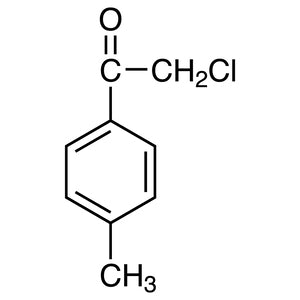
- TCI C3828 4209-24-9 2-Chloro-1-(p-tolyl)ethan-1-one
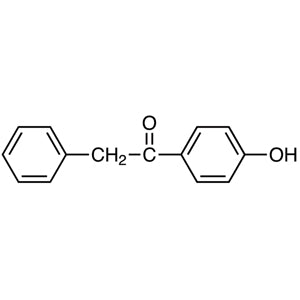
- TCI B4722 2491-32-9 Benzyl 4-Hydroxyphenyl Ketone
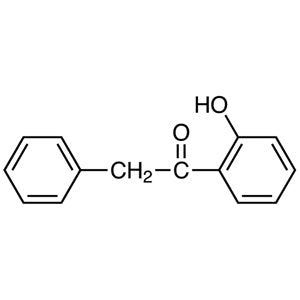
- TCI B4673 2491-31-8 Benzyl 2-Hydroxyphenyl Ketone
- Substitution reactions: The chloro atom on the aromatic ring acts as a reactive site that can be displaced, allowing chemists to introduce new groups and diversify the molecule in controlled substitution chemistry.
- Condensation reactions: The acetyl group and the hydroxy functionality enable the compound to participate in condensation pathways, helping researchers build larger molecular frameworks from this small starting material.
- Functional group modification: The hydroxy group supports esterification and related transformations, giving analysts a convenient handle for tuning solubility, polarity, and reactivity during synthesis.
- Pharmaceutical intermediate synthesis: Because of its well-defined structure and predictable reactivity, this building block is a practical starting point when designing routes toward drug-like molecules and fine chemicals.
- Research and method development: In Indonesian laboratories it supports small-scale trials, allowing researchers to test new reaction conditions and validate synthetic procedures before moving to larger batches.
| Brand | TCI (product code C2119) |
|---|---|
| CAS number | 1450-74-4 |
| Molecular formula | — |
| Purity | — |
| Category | Chemistry > Building Blocks > Non-Heterocyclic Building Blocks |
| Pack sizes | available in standard laboratory pack sizes; refer to the supplier catalog for options |
| Physical form | — |
| Storage | keep the container tightly closed in a cool, dry, well-ventilated area |
Store the product in its original, tightly sealed container in a cool, dry, and well-ventilated area, away from direct sunlight, heat sources, and incompatible materials. Use containers made of materials compatible with organic reagents, and always close the container immediately after use to prevent contamination or moisture uptake. When handling, wear appropriate personal protective equipment such as laboratory gloves, safety goggles, and a lab coat. Work in a fume hood where possible and avoid inhaling dust or vapors. Keep the product away from open flames and strong oxidizing agents, and follow standard laboratory hygiene practices, including washing hands after handling and keeping the workspace clean.
Asumsi: karena data kemasan, bentuk fisik, dan suhu penyimpanan spesifik tidak tersedia, bagian tersebut ditulis secara umum tanpa menambahkan angka teknis baru.
—
Produk Terkait
-
4-Chloro-N-[2-(4-hydroxyphenyl)ethyl]benzamide TCI C2309
Regular price From Rp 1.008.000,00Regular price -
1-(3-Hydroxy-4-methoxyphenyl)ethan-1-one TCI H1946
Regular price From Rp 1.115.100,00Regular price -
2-Chloro-1-(2,5-dimethoxyphenyl)ethan-1-one TCI C4117
Regular price Rp 6.015.450,00Regular price -
2-Chloro-1-(p-tolyl)ethan-1-one TCI C3828
Regular price Rp 3.817.800,00Regular price -
Benzyl4-HydroxyphenylKetone TCI B4722
Regular price From Rp 1.035.300,00Regular price -
Benzyl2-HydroxyphenylKetone TCI B4673
Regular price From Rp 2.094.750,00Regular price -
4-Acetyl-3-hydroxyphenylAcetate TCI A2960
Regular price From Rp 1.696.800,00Regular price -
Methyl3-(3,5-Di-tert-butyl-4-hydroxyphenyl)propionate TCI M1810
Regular price From Rp 557.550,00Regular price
![4-Chloro-N-[2-(4-hydroxyphenyl)ethyl]benzamide (CAS 41859-57-8) - TCI C2309 - AMI Scientific](http://amiscientific.com/cdn/shop/files/TCI2510C2309.jpg?v=1767098116&width=533)