Benzyl 4-Hydroxyphenyl Ketone is a chemical compound widely used in laboratory settings for the synthesis of complex molecules. As a building block in organic chemistry, it plays a crucial role in the development of more intricate chemical structures. This compound is particularly valuable in research involving aromatic compounds and substitution reactions, where its stability and reactivity make it an essential tool for chemists. Its ability to participate in various chemical transformations allows it to be a versatile component in synthetic pathways, supporting the creation of compounds with specific functional groups and properties.
The compound is known for its chemical stability and controlled reactivity, which are key factors in its popularity among researchers. These properties ensure that it can be used reliably in a wide range of experimental conditions without unexpected side reactions. Its compatibility with oxidizing and reducing agents further enhances its utility in synthetic chemistry. The compound’s resistance to degradation under normal laboratory conditions makes it a preferred choice for applications requiring precision and consistency. This reliability ensures that it remains a staple in both academic and industrial research environments.
In Indonesian laboratories, Benzyl 4-Hydroxyphenyl Ketone is commonly used in organic chemistry research, especially in the pharmaceutical industry. It is a key component in the development of new drugs and medicinal compounds. Its role in creating complex molecular structures supports advancements in medicinal chemistry and drug discovery. Researchers in Indonesia rely on this compound for its predictable behavior and effectiveness in synthesizing compounds with targeted biological activities.
Related TCI products
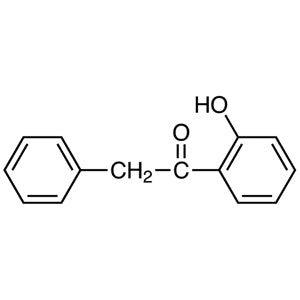
- TCI B4673 2491-31-8 Benzyl 2-Hydroxyphenyl Ketone
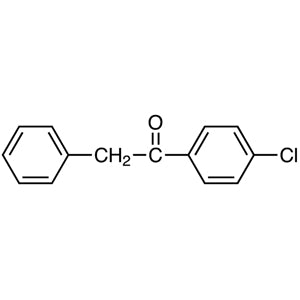
- TCI B4704 1889-71-0 Benzyl 4-Chlorophenyl Ketone
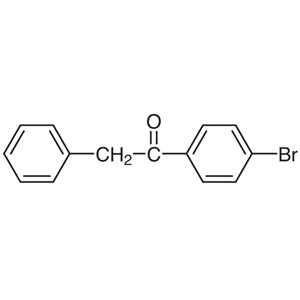
- TCI B2020 2001-29-8 Benzyl 4-Bromophenyl Ketone
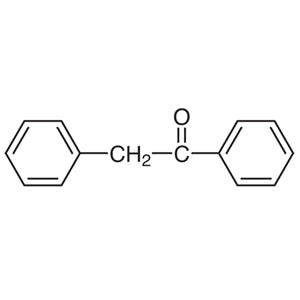
- TCI B0435 451-40-1 Benzyl Phenyl Ketone
- TCI A2960 42059-48-3 4-Acetyl-3-hydroxyphenyl Acetate
- TCI M1810 6386-38-5 Methyl 3-(3,5-Di-tert-butyl-4-hydroxyphenyl)propionate
- Organic synthesis applications benefit from Benzyl 4-Hydroxyphenyl Ketone due to its stability and controlled reactivity, enabling precise chemical transformations.
- Pharmaceutical research utilizes this compound for the development of new drugs, as it supports the synthesis of compounds with specific functional groups.
- Industrial chemical production relies on this building block for the creation of complex molecules with desired properties and applications.
- Academic research in chemistry uses it as a fundamental component in the study of aromatic compounds and substitution reactions.
- Medicinal chemistry projects leverage its versatility in constructing molecules with potential therapeutic applications and biological activity.
| Brand | TCI |
|---|---|
| CAS number | 2491-32-9 |
| Molecular formula | — |
| Purity | — |
| Category | Chemistry > Building Blocks > Non-Heterocyclic Building Blocks |
| Pack sizes | Available in various quantities as per supplier specifications |
| Physical form | Solid, crystalline appearance |
| Storage | Store in a cool, dry place away from direct sunlight |
Benzyl 4-Hydroxyphenyl Ketone should be stored in a cool, dry environment to maintain its chemical stability. It is recommended to keep it in a sealed container to prevent moisture absorption and contamination. Suitable storage containers include glass or high-density polyethylene vessels that are resistant to chemical reactions. In a laboratory setting, it should be handled with care to avoid exposure to extreme temperatures or direct sunlight. Proper labeling and storage conditions are essential to ensure the compound remains effective for its intended applications. General laboratory precautions include using appropriate personal protective equipment when handling the material to ensure safety and compliance with standard operating procedures.
—
Produk Terkait
-
Benzyl2-HydroxyphenylKetone TCI B4673
Regular price From Rp 2.147.250,00Regular priceRp 1.517.250,00Sale price From Rp 2.147.250,00 -
Benzyl4-ChlorophenylKetone TCI B4704
Regular price From Rp 900.900,00Regular priceRp 645.750,00Sale price From Rp 900.900,00 -
Benzyl4-BromophenylKetone TCI B2020
Regular price From Rp 1.510.950,00Regular priceRp 1.072.050,00Sale price From Rp 1.510.950,00 -
BenzylPhenylKetone TCI B0435
Regular price From Rp 1.193.850,00Regular priceRp 834.750,00Sale price From Rp 1.193.850,00 -
4-Acetyl-3-hydroxyphenylAcetate TCI A2960
Regular price From Rp 1.696.800,00Regular priceRp 1.186.500,00Sale price From Rp 1.696.800,00 -
Methyl3-(3,5-Di-tert-butyl-4-hydroxyphenyl)propionate TCI M1810
Regular price From Rp 610.050,00Regular priceRp 442.050,00Sale price From Rp 610.050,00 -
4-HydroxyphenylAcetate TCI H1920
Regular price From Rp 1.378.650,00Regular priceRp 963.900,00Sale price From Rp 1.378.650,00 -
3-(3-Hydroxyphenyl)propanoicAcid TCI H1819
Regular price From Rp 928.200,00Regular priceRp 664.650,00Sale price From Rp 928.200,00