Benzyl Phenyl Ketone (BPK) is an organic compound widely used in chemical synthesis and scientific research. As a key component within the building blocks category, it serves as a foundational material for the creation of more complex compounds. BPK is commonly employed in substitution reactions, oxidation reactions, and other chemical processes that require aromatic carbon structures and ketone groups. In the laboratory, BPK plays a crucial role in the development of new compounds, particularly in pharmaceutical and organic chemistry fields. Its chemical stability and moderate reactivity make it an ideal choice for various chemical reactions. The compound’s simple molecular structure offers flexibility, enabling it to function as a versatile starting material in numerous synthetic reactions.
BPK is preferred due to its high purity and consistent quality, which are essential for accurate and reliable research outcomes. Its chemical stability ensures that it remains effective throughout various reaction conditions, while its moderate reactivity allows for controlled participation in synthetic pathways. These properties make it a reliable and predictable reagent, reducing the risk of unexpected side reactions. Additionally, its compatibility with a wide range of solvents and reaction conditions enhances its utility in diverse laboratory settings. The compound’s ability to maintain its structural integrity under different experimental parameters further supports its use in both academic and industrial research.
In Indonesian laboratories, BPK is a vital component in chemical and pharmaceutical research. It is frequently used in drug development programs, chemical synthesis projects, and the creation of synthetic compounds. Its presence in these research areas underscores its importance as a fundamental building block. The compound’s reliability and performance in various experimental contexts make it a preferred choice for researchers seeking high-quality and consistent results.
Related TCI products
- Pharmaceutical research utilizes BPK as a key intermediate in the synthesis of complex organic molecules due to its structural versatility and reactivity.
- Organic chemistry experiments benefit from BPK’s stability and predictable behavior in various reaction conditions, making it a reliable reagent for synthetic pathways.
- Drug development programs rely on BPK for the creation of novel compounds, leveraging its ability to participate in substitution and oxidation reactions.
- Chemical synthesis projects use BPK as a foundational building block, enabling the formation of more complex molecular structures through controlled chemical reactions.
- Analytical laboratories employ BPK as a reference standard for testing and characterizing other organic compounds due to its well-defined chemical properties.
| Brand | TCI |
|---|---|
| CAS number | 451-40-1 |
| Molecular formula | — |
| Purity | — |
| Category | Chemistry > Building Blocks > Non-Heterocyclic Building Blocks |
| Pack sizes | Available in various quantities as per supplier specifications |
| Physical form | Solid |
| Storage | Store in a cool, dry place away from direct sunlight and moisture |
Benzyl Phenyl Ketone should be stored in a cool, dry environment to maintain its chemical stability and prevent degradation. It is recommended to use airtight containers to protect it from moisture and air exposure, which can affect its reactivity and purity. Due to its moderate reactivity, it should be handled with care in laboratory settings, ensuring that it is kept away from incompatible substances. Proper labeling of storage containers is essential for safety and identification. Laboratory personnel should wear appropriate personal protective equipment, such as gloves and safety goggles, when handling this compound. Regular monitoring of storage conditions will help ensure the compound remains in optimal condition for use in research applications.
—
Produk Terkait
-
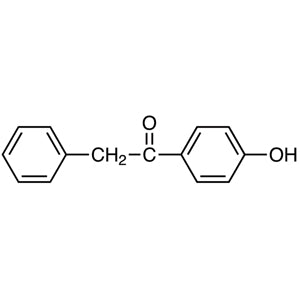
Benzyl4-HydroxyphenylKetone TCI B4722
Regular price From Rp 1.087.800,00Regular priceRp 775.950,00Sale price From Rp 1.087.800,00 -
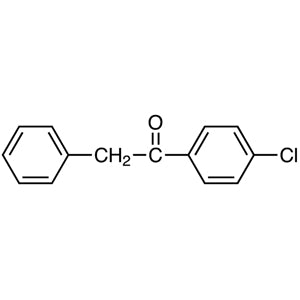
Benzyl4-ChlorophenylKetone TCI B4704
Regular price From Rp 900.900,00Regular priceRp 645.750,00Sale price From Rp 900.900,00 -
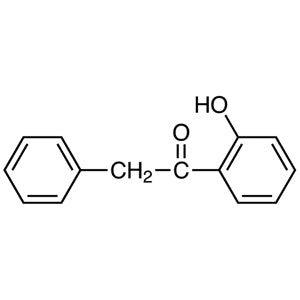
Benzyl2-HydroxyphenylKetone TCI B4673
Regular price From Rp 2.147.250,00Regular priceRp 1.517.250,00Sale price From Rp 2.147.250,00 -
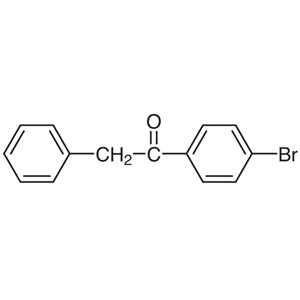
Benzyl4-BromophenylKetone TCI B2020
Regular price From Rp 1.510.950,00Regular priceRp 1.072.050,00Sale price From Rp 1.510.950,00 -
4-BromophenylCyclopropylKetone TCI B4076
Regular price Rp 1.351.350,00Regular priceRp 960.750,00Sale price Rp 1.351.350,00 -
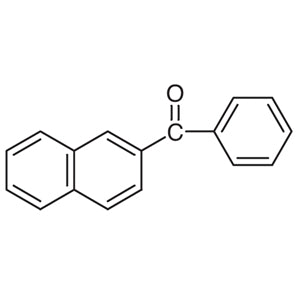
2-NaphthylPhenylKetone TCI B0301
Regular price From Rp 6.996.150,00Regular priceRp 4.891.950,00Sale price From Rp 6.996.150,00 -
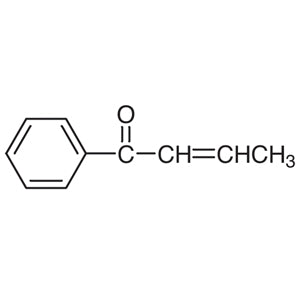
Phenyl1-PropenylKetone TCI P0216
Regular price From Rp 6.228.600,00Regular priceRp 4.355.400,00Sale price From Rp 6.228.600,00 -
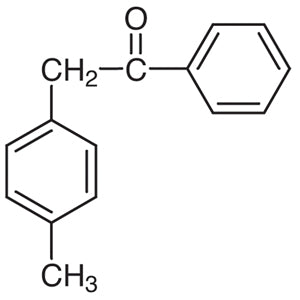
4-MethylbenzylPhenylKetone TCI M1639
Regular price From Rp 1.908.900,00Regular priceRp 1.334.550,00Sale price From Rp 1.908.900,00