Benzyl 4-Chlorophenyl Ketone is a chemical compound widely used in organic laboratory reactions. As a building block in chemical synthesis, it serves as a fundamental component for the creation of more complex molecules. This compound is particularly valuable in research settings where the ability to form various functional groups is essential. Its role in organic chemistry makes it a versatile reagent for a range of synthetic pathways, supporting both academic and industrial research.
The compound’s molecular structure, featuring a ketone group and a chlorophenyl substituent, provides it with unique reactivity. Its stability and predictable chemical behavior make it a preferred choice for laboratory applications. It dissolves well in organic solvents such as ethyl acetate and ethanol, which facilitates its use in diverse reaction conditions. These properties ensure that it remains a reliable and efficient material for synthetic processes in the laboratory.
In Indonesian laboratories, Benzyl 4-Chlorophenyl Ketone is commonly used in organic chemistry research, especially in the synthesis of pharmaceutical compounds and industrial chemicals. Its availability and reliability make it a go-to material for researchers seeking consistent and accurate results. It is frequently employed in academic institutions and research centers across Indonesia, supporting advancements in chemical sciences and drug development.
Related TCI products
- Organic synthesis is a key application where Benzyl 4-Chlorophenyl Ketone is used to construct complex molecules by reacting with various functional groups.
- Pharmaceutical research benefits from this compound as it is often employed in the development of new drugs due to its reactivity and structural versatility.
- Industrial chemical production utilizes this reagent for the synthesis of specialty chemicals that require precise molecular structures.
- Teaching laboratories use it as an educational tool to demonstrate organic reaction mechanisms and synthetic strategies.
- Analytical chemistry applications involve its use in the preparation of reference standards for qualitative and quantitative analysis.
| Brand | TCI |
|---|---|
| CAS number | 1889-71-0 |
| Molecular formula | — |
| Purity | — |
| Category | Chemistry > Building Blocks > Non-Heterocyclic Building Blocks |
| Pack sizes | Available in various quantities as per standard laboratory supply |
| Physical form | Solid |
| Storage | Store in a cool, dry place away from direct sunlight and moisture |
Benzyl 4-Chlorophenyl Ketone should be stored in a cool, dry environment to maintain its stability and prevent degradation. It is recommended to keep the compound in a tightly sealed container to avoid exposure to moisture and air. Suitable storage containers include glass or high-density polyethylene vessels that are resistant to chemical interactions. In laboratory settings, it is important to handle the compound with care, using appropriate personal protective equipment such as gloves and safety goggles. Proper ventilation should be maintained when working with this material to ensure a safe working environment. Regular inspection of storage conditions is advised to ensure the integrity of the compound remains unaffected.
—
Produk Terkait
-
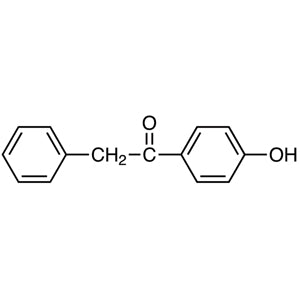
Benzyl4-HydroxyphenylKetone TCI B4722
Regular price From Rp 1.087.800,00Regular priceRp 775.950,00Sale price From Rp 1.087.800,00 -
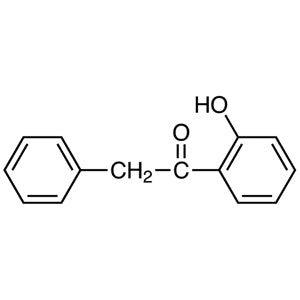
Benzyl2-HydroxyphenylKetone TCI B4673
Regular price From Rp 2.147.250,00Regular priceRp 1.517.250,00Sale price From Rp 2.147.250,00 -
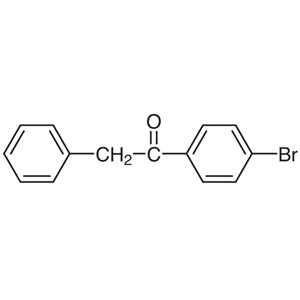
Benzyl4-BromophenylKetone TCI B2020
Regular price From Rp 1.510.950,00Regular priceRp 1.072.050,00Sale price From Rp 1.510.950,00 -
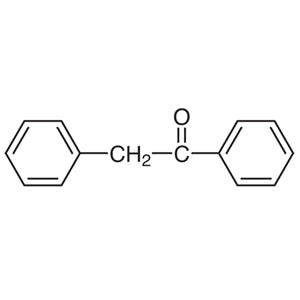
BenzylPhenylKetone TCI B0435
Regular price From Rp 1.193.850,00Regular priceRp 834.750,00Sale price From Rp 1.193.850,00 -
2-ChlorophenylCyclopentylKetone TCI C2338
Regular price Rp 2.571.450,00Regular priceRp 1.813.350,00Sale price Rp 2.571.450,00 -
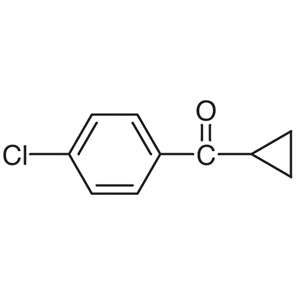
4-ChlorophenylCyclopropylKetone TCI C1681
Regular price Rp 1.458.450,00Regular priceRp 1.019.550,00Sale price Rp 1.458.450,00 -
4-BromophenylCyclopropylKetone TCI B4076
Regular price Rp 1.351.350,00Regular priceRp 960.750,00Sale price Rp 1.351.350,00 -
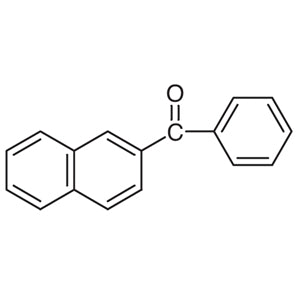
2-NaphthylPhenylKetone TCI B0301
Regular price From Rp 6.996.150,00Regular priceRp 4.891.950,00Sale price From Rp 6.996.150,00