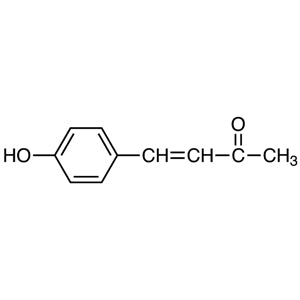
4-Acetyl-3-hydroxyphenyl Acetate is a versatile organic compound widely used in laboratory settings for its role in synthetic chemistry. As a building block in the field of non-heterocyclic compounds, it serves as a key intermediate in the preparation of various complex molecules. Its structural features make it suitable for participation in multiple chemical reactions, including esterification, reduction, and substitution. This compound is commonly found in chemical laboratories, where it is used to develop new compounds with specific functional properties.
The compound’s chemical properties, such as its hydroxyl and ester groups, contribute to its reactivity and solubility characteristics. These properties make it a preferred choice for chemists seeking to modify molecular structures or create new derivatives. Its ability to interact with a variety of reagents and solvents enhances its utility in synthetic pathways. Additionally, its stability under controlled conditions ensures consistent performance in laboratory experiments.
In Indonesian laboratories, 4-Acetyl-3-hydroxyphenyl Acetate is a valuable tool for research in pharmaceuticals, cosmetics, and industrial chemistry. It is frequently used in the synthesis of bioactive compounds and functional materials. Due to its chemical sensitivity, it requires careful handling and storage to maintain its integrity and effectiveness in research applications.
Related TCI products
- TCI H1920 3233-32-7 4-Hydroxyphenyl Acetate
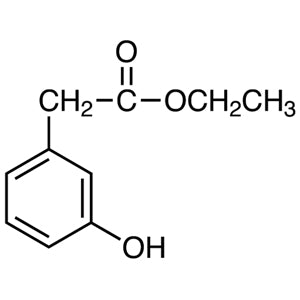
- TCI E1242 22446-38-4 Ethyl (3-Hydroxyphenyl)acetate
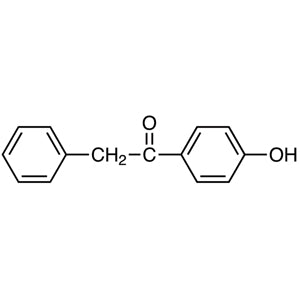
- TCI B4722 2491-32-9 Benzyl 4-Hydroxyphenyl Ketone
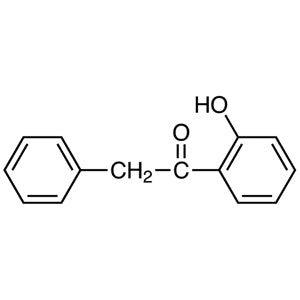
- TCI B4673 2491-31-8 Benzyl 2-Hydroxyphenyl Ketone
- TCI M1810 6386-38-5 Methyl 3-(3,5-Di-tert-butyl-4-hydroxyphenyl)propionate
- TCI H1819 621-54-5 3-(3-Hydroxyphenyl)propanoic Acid
- Pharmaceutical research utilizes this compound for the synthesis of bioactive molecules due to its structural versatility and reactivity.
- Cosmetic formulation processes benefit from its chemical properties, enabling the creation of complex organic derivatives for skincare and fragrance applications.
- Industrial chemical development leverages its role as a building block in the production of specialty chemicals and functional materials.
- Organic synthesis projects rely on its ability to participate in esterification and substitution reactions, facilitating the creation of novel compounds.
- Analytical chemistry applications use it as a reference standard for testing and characterizing other organic compounds.
| Brand | TCI |
|---|---|
| CAS number | 42059-48-3 |
| Molecular formula | — |
| Purity | — |
| Category | Chemistry > Building Blocks > Non-Heterocyclic Building Blocks |
| Pack sizes | Available in standard laboratory quantities as per supplier specifications |
| Physical form | Solid or liquid, depending on formulation and packaging |
| Storage | Requires protection from moisture and air exposure |
This compound should be stored in a cool, dry environment away from direct sunlight and sources of heat. It is recommended to use airtight containers to prevent moisture absorption and degradation. Due to its sensitivity to environmental factors, it should be handled in a controlled laboratory setting with proper ventilation. Always use appropriate personal protective equipment when working with this material. Regular monitoring of storage conditions ensures the compound remains stable and effective for use in chemical experiments. Proper labeling and secure storage are essential to prevent accidental exposure or contamination.
—
Produk Terkait
-
4-HydroxyphenylAcetate TCI H1920
Regular price From Rp 1.378.650,00Regular priceRp 963.900,00Sale price From Rp 1.378.650,00 -
Ethyl(3-Hydroxyphenyl)acetate TCI E1242
Regular price From Rp 1.113.000,00Regular priceRp 793.800,00Sale price From Rp 1.113.000,00 -
Benzyl4-HydroxyphenylKetone TCI B4722
Regular price From Rp 1.087.800,00Regular priceRp 775.950,00Sale price From Rp 1.087.800,00 -
Benzyl2-HydroxyphenylKetone TCI B4673
Regular price From Rp 2.147.250,00Regular priceRp 1.517.250,00Sale price From Rp 2.147.250,00 -
Methyl3-(3,5-Di-tert-butyl-4-hydroxyphenyl)propionate TCI M1810
Regular price From Rp 610.050,00Regular priceRp 442.050,00Sale price From Rp 610.050,00 -
3-(3-Hydroxyphenyl)propanoicAcid TCI H1819
Regular price From Rp 928.200,00Regular priceRp 664.650,00Sale price From Rp 928.200,00 -
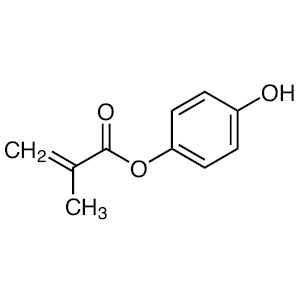
4-HydroxyphenylMethacrylate(stabilizedwithHQ) TCI H1790
Regular price From Rp 1.881.600,00Regular priceRp 1.315.650,00Sale price From Rp 1.881.600,00 -
4-(4-Hydroxyphenyl)-3-buten-2-one TCI H1564
Regular price Rp 1.988.700,00Regular priceRp 1.405.950,00Sale price Rp 1.988.700,00