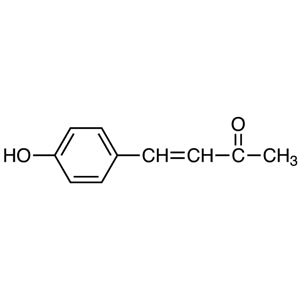
4-(4-Hydroxyphenyl)-3-buten-2-one is a chemical compound widely used in organic reactions for the synthesis of complex molecules. As a building block, it plays a crucial role in the development of new compounds with diverse applications. This compound is particularly valuable in the field of organic chemistry due to its ability to participate in various reaction mechanisms, making it a versatile tool for researchers. Its structural simplicity and functional reactivity allow it to be adapted to multiple synthetic pathways, supporting the creation of both aromatic and heterocyclic compounds.
The compound's stability and high reactivity make it a preferred choice in laboratory settings. It exhibits a favorable balance between reactivity and controllability, enabling chemists to achieve desired outcomes in reactions such as condensation, substitution, and radical processes. These properties make it ideal for use in controlled environments where precision and efficiency are essential. Its compatibility with a wide range of reagents further enhances its utility in synthetic chemistry.
In Indonesian laboratories, this compound is commonly used in organic chemistry research, especially in the synthesis of bioactive compounds. Its availability and cost-effectiveness make it a popular choice among researchers working on drug development and material science. The compound's reliability and consistent performance contribute to its widespread use in both academic and industrial research settings.
Related TCI products
- TCI C2309 41859-57-8 4-Chloro-N-[2-(4-hydroxyphenyl)ethyl]benzamide
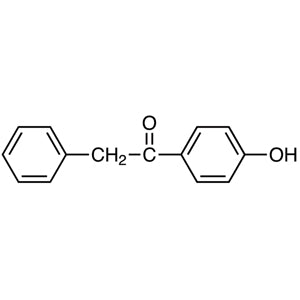
- TCI B4722 2491-32-9 Benzyl 4-Hydroxyphenyl Ketone
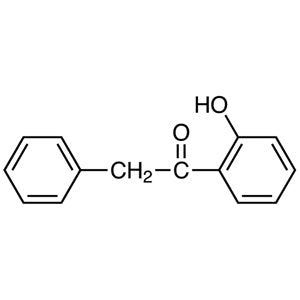
- TCI B4673 2491-31-8 Benzyl 2-Hydroxyphenyl Ketone
- TCI A2960 42059-48-3 4-Acetyl-3-hydroxyphenyl Acetate
- TCI M1810 6386-38-5 Methyl 3-(3,5-Di-tert-butyl-4-hydroxyphenyl)propionate
- TCI H1920 3233-32-7 4-Hydroxyphenyl Acetate
- Organic synthesis of bioactive compounds due to its reactivity and structural versatility.
- Development of aromatic and heterocyclic compounds through controlled chemical reactions.
- Research in pharmaceutical applications for the creation of new therapeutic agents.
- Material science studies for the synthesis of advanced chemical materials.
- Radical reaction experiments due to its susceptibility to free radical processes.
| Brand | TCI |
|---|---|
| CAS number | 3160-35-8 |
| Molecular formula | — |
| Purity | — |
| Category | Chemistry > Building Blocks > Non-Heterocyclic Building Blocks |
| Pack sizes | Available in various quantities as per supplier specifications |
| Physical form | Liquid |
| Storage | Store in a cool, dry place away from light and incompatible substances |
This compound should be stored in a cool, dry place, away from direct sunlight and sources of heat. It is recommended to use airtight containers made of glass or high-density polyethylene to prevent contamination and evaporation. Due to its reactivity, it should be handled in a well-ventilated area, preferably under a fume hood. Avoid contact with strong oxidizing agents or incompatible materials. Always wear appropriate personal protective equipment, including gloves and safety goggles, when handling this compound. Regular inspection of storage conditions is advised to ensure the compound remains in optimal condition for use.
—
Product Categories
- Building BlocksNon-Heterocyclic Building BlocksCarbonyl Compounds [Non-Heterocyclic Building Blocks]
- Building BlocksNon-Heterocyclic Building BlocksOxygen Compounds [Non-Heterocyclic Building Blocks]
- Pharmaceutical Development and Drug Discovery Research ReagentsBuilding Blocks for Pharmaceutical Ingredients (for Research and Experimental Use)
Produk Terkait
-
4-Chloro-N-[2-(4-hydroxyphenyl)ethyl]benzamide TCI C2309
Regular price From Rp 1.008.000,00Regular price -
Benzyl4-HydroxyphenylKetone TCI B4722
Regular price From Rp 1.035.300,00Regular price -
Benzyl2-HydroxyphenylKetone TCI B4673
Regular price From Rp 2.094.750,00Regular price -
4-Acetyl-3-hydroxyphenylAcetate TCI A2960
Regular price From Rp 1.696.800,00Regular price -
Methyl3-(3,5-Di-tert-butyl-4-hydroxyphenyl)propionate TCI M1810
Regular price From Rp 557.550,00Regular price -
4-HydroxyphenylAcetate TCI H1920
Regular price From Rp 1.378.650,00Regular price -
3-(3-Hydroxyphenyl)propanoicAcid TCI H1819
Regular price From Rp 875.700,00Regular price -
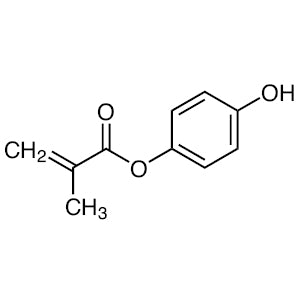
4-HydroxyphenylMethacrylate(stabilizedwithHQ) TCI H1790
Regular price From Rp 1.881.600,00Regular price
![4-Chloro-N-[2-(4-hydroxyphenyl)ethyl]benzamide (CAS 41859-57-8) - TCI C2309 - AMI Scientific](http://amiscientific.com/cdn/shop/files/TCI2510C2309.jpg?v=1767098116&width=533)