![TCI C2309 41859-57-8 4-Chloro-N-[2-(4-hydroxyphenyl)ethyl]benzamide](http://amiscientific.com/cdn/shop/files/TCI2510C2309_475b3359-ae77-45af-a4bf-ab476e9dafc4.jpg?v=1792634437&width=1946)
![4-Chloro-N-[2-(4-hydroxyphenyl)ethyl]benzamide (CAS 41859-57-8) - TCI C2309 - AMI Scientific](http://amiscientific.com/cdn/shop/files/TCI2510C2309.jpg?v=1767098116&width=1946)
![TCI C2309 41859-57-8 4-Chloro-N-[2-(4-hydroxyphenyl)ethyl]benzamide](http://amiscientific.com/cdn/shop/files/TCI2510C2309_475b3359-ae77-45af-a4bf-ab476e9dafc4.jpg?v=1792634437&width=1445)
![4-Chloro-N-[2-(4-hydroxyphenyl)ethyl]benzamide (CAS 41859-57-8) - TCI C2309 - AMI Scientific](http://amiscientific.com/cdn/shop/files/TCI2510C2309.jpg?v=1767098116&width=1445)
4-Chloro-N-[2-(4-hydroxyphenyl)ethyl]benzamide is a chemical compound widely used in organic synthesis reactions within laboratory settings. This compound serves as a key building block in the development of complex molecular structures, particularly in the synthesis of heterocyclic compounds and functionalized molecules. Due to its structural versatility, it is frequently employed in the creation of biologically active compounds, including pharmaceuticals and industrial chemicals. Its role in synthetic chemistry is critical for researchers aiming to design and produce compounds with specific molecular properties.
The compound's chemical properties make it a preferred choice for specialized applications. It exhibits stability under controlled conditions but is sensitive to moisture and ultraviolet light exposure, which requires careful handling and storage. Its complex molecular structure allows for precise chemical modifications, making it ideal for applications that demand high accuracy and reproducibility. The compound’s reactivity and functional groups enable it to participate in a variety of chemical transformations, enhancing its utility in synthetic processes.
In Indonesian laboratories, this compound is commonly used in organic chemistry research, particularly in projects focused on the synthesis of bioactive compounds. Research institutions and universities rely on it as a foundational reagent for experiments that require precise control over reaction conditions and environmental factors. Its application is especially relevant in the development of new drugs and advanced chemical materials. The compound's versatility and chemical properties make it an essential tool for researchers in the field.
Related TCI products
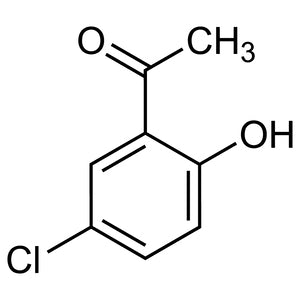
- TCI C2119 1450-74-4 1-(5-Chloro-2-hydroxyphenyl)ethan-1-one
- TCI H1930 18838-10-3 N-(2-Hydroxyethyl)benzamide
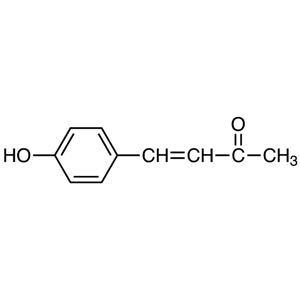
- TCI H1564 3160-35-8 4-(4-Hydroxyphenyl)-3-buten-2-one
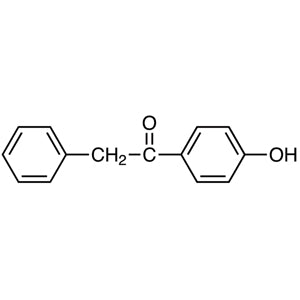
- TCI B4722 2491-32-9 Benzyl 4-Hydroxyphenyl Ketone
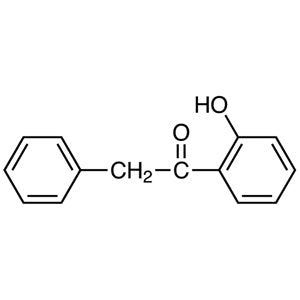
- TCI B4673 2491-31-8 Benzyl 2-Hydroxyphenyl Ketone
- TCI A2960 42059-48-3 4-Acetyl-3-hydroxyphenyl Acetate
- Organic synthesis of heterocyclic compounds due to its functional groups and structural versatility.
- Development of bioactive molecules for pharmaceutical research and drug discovery applications.
- Creation of functionalized chemical intermediates in industrial chemical production processes.
- Investigation of molecular reactivity in controlled laboratory environments for chemical innovation.
- Support for research projects requiring precise chemical transformations and molecular design.
| Brand | TCI |
|---|---|
| CAS number | 41859-57-8 |
| Molecular formula | — |
| Purity | — |
| Category | Chemistry > Building Blocks > Non-Heterocyclic Building Blocks |
| Pack sizes | Available in various quantities as per supplier specifications |
| Physical form | Solid (as per standard chemical compound properties) |
| Storage | Requires protection from moisture and UV light exposure |
This compound should be stored in a cool, dry environment away from direct sunlight and sources of moisture. It is recommended to use airtight containers made of materials such as glass or high-density polyethylene to prevent exposure to humidity. Due to its sensitivity to UV light, it is advisable to keep the compound in a dark storage cabinet or under a light-blocking cover. Always ensure that the container is properly sealed to maintain its chemical integrity. In laboratory settings, it is important to handle the compound with appropriate personal protective equipment, including gloves and safety goggles, to prevent any potential skin or eye contact. Regular monitoring of storage conditions is essential to ensure the compound remains stable and suitable for use in chemical synthesis processes.
—
Product Categories
- Building BlocksNon-Heterocyclic Building BlocksCarbonyl Compounds [Non-Heterocyclic Building Blocks]
- Building BlocksNon-Heterocyclic Building BlocksOxygen Compounds [Non-Heterocyclic Building Blocks]
- Pharmaceutical Development and Drug Discovery Research ReagentsBuilding Blocks for Pharmaceutical Ingredients (for Research and Experimental Use)
Produk Terkait
-
1-(5-Chloro-2-hydroxyphenyl)ethan-1-one TCI C2119
Regular price From Rp 1.087.800,00Regular priceRp 775.950,00Sale price From Rp 1.087.800,00 -
N-(2-Hydroxyethyl)benzamide TCI H1930
Regular price From Rp 2.782.500,00Regular priceRp 1.961.400,00Sale price From Rp 2.782.500,00 -
4-(4-Hydroxyphenyl)-3-buten-2-one TCI H1564
Regular price Rp 1.988.700,00Regular priceRp 1.405.950,00Sale price Rp 1.988.700,00 -
Benzyl4-HydroxyphenylKetone TCI B4722
Regular price From Rp 1.087.800,00Regular priceRp 775.950,00Sale price From Rp 1.087.800,00 -
Benzyl2-HydroxyphenylKetone TCI B4673
Regular price From Rp 2.147.250,00Regular priceRp 1.517.250,00Sale price From Rp 2.147.250,00 -
4-Acetyl-3-hydroxyphenylAcetate TCI A2960
Regular price From Rp 1.696.800,00Regular priceRp 1.186.500,00Sale price From Rp 1.696.800,00 -
Methyl3-(3,5-Di-tert-butyl-4-hydroxyphenyl)propionate TCI M1810
Regular price From Rp 610.050,00Regular priceRp 442.050,00Sale price From Rp 610.050,00 -
4-HydroxyphenylAcetate TCI H1920
Regular price From Rp 1.378.650,00Regular priceRp 963.900,00Sale price From Rp 1.378.650,00