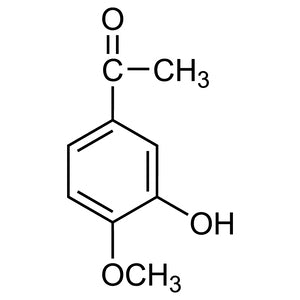
TCI H1946 1-(3-Hydroxy-4-methoxyphenyl)ethan-1-one, also known as isoacetovanillone, is an aromatic ketone carrying adjacent hydroxyl and methoxy substituents on the benzene ring. This substitution pattern is identical to the motif found widely across natural products of the phenylpropanoid and flavonoid classes, which makes the compound a highly sought-after intermediate in organic synthesis, natural product chemistry, and medicinal chemistry laboratories. The acetyl group attached directly to the aromatic ring provides a productive starting point for condensation reactions used to build larger molecular frameworks.
The principal appeal of this compound lies in its aromatic methyl ketone. The alpha protons of the acetyl group are sufficiently acidic to form an enolate, so the compound reacts readily in Claisen-Schmidt condensations with aromatic aldehydes to give chalcones, which can subsequently be cyclised into flavanones and flavones. The phenolic hydroxyl group provides a site for alkylation, acylation, or protection, while the methoxy group locks one ring position and directs electrophilic substitution. The neighbouring hydroxyl and methoxy combination also reproduces the guaiacyl-type arrangement that synthetic chemists rely on when targeting lignan and flavonoid scaffolds.
In Indonesian laboratories, this building block is typically used in university and institutional research groups working on organic synthesis, natural product isolation and total synthesis, and early-stage medicinal chemistry. It is commonly handled in small to moderate quantities on the bench, weighed out for multi-step sequences, and used in method development where a well-defined, reproducible aromatic ketone intermediate is required. The TCI brand is familiar to research chemists across the country and is commonly specified for reagent-grade synthetic work.
Related TCI products
- TCI H1578 39604-68-7 2'-Hydroxy-4',6'-dimethoxy-2-(4-methoxyphenyl)acetophenone
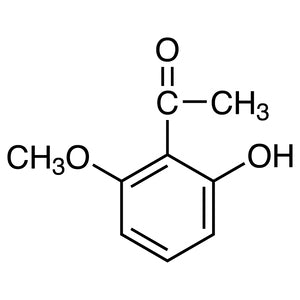
- TCI H1529 703-23-1 1-(2-Hydroxy-6-methoxyphenyl)ethanone
- TCI H0538 77305-02-3 Sodium 3-(4-Hydroxy-3-methoxyphenyl)lactate
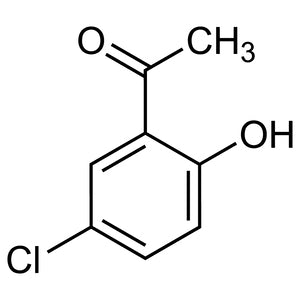
- TCI C2119 1450-74-4 1-(5-Chloro-2-hydroxyphenyl)ethan-1-one
- TCI M1803 56024-44-3 Methyl 3-(4-Hydroxy-3-methoxyphenyl)propionate
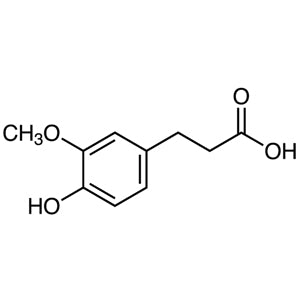
- TCI H1180 1135-23-5 3-(4-Hydroxy-3-methoxyphenyl)propionic Acid
- Chalcone synthesis via Claisen-Schmidt condensation, where the acidic alpha protons of the aromatic methyl ketone allow clean enolate formation and coupling with a wide range of aromatic aldehydes.
- Flavanone and flavone construction, since the chalcones derived from this ketone can be cyclised further to build the oxygen-heterocyclic cores central to flavonoid chemistry research.
- Natural product and total synthesis work, because the adjacent hydroxyl and methoxy pattern directly reproduces the substitution motif found in phenylpropanoid and lignan-type natural products.
- Medicinal chemistry intermediate preparation, where the phenolic hydroxyl offers a convenient handle for alkylation, acylation, or protection during the assembly of analogue libraries.
- Electrophilic aromatic substitution studies, as the methoxy group blocks one ring position while directing incoming electrophiles, giving predictable regiochemistry for teaching and method development.
| Brand | TCI (Tokyo Chemical Industry) |
|---|---|
| CAS number | 6100-74-9 |
| Molecular formula | — |
| Purity | — |
| Category | Chemistry > Building Blocks > Non-Heterocyclic Building Blocks |
| Pack sizes | available in standard TCI research-scale pack sizes; please confirm the currently listed options when ordering |
| Physical form | — |
| Storage | store in a cool, dry place in the tightly closed original container |
- Chemical Name: 1-(3-Hydroxy-4-methoxyphenyl)ethan-1-one (isoacetovanillone)
- Product Code: H1946
Store the container tightly closed in a cool, dry, well-ventilated area away from direct sunlight, heat sources, and strong oxidising agents. Keep the material in its original supplier container, or transfer it to a clean, chemically compatible amber glass bottle with a secure closure to limit exposure to light and moisture. Handle the solid in a fume hood, using a laboratory coat, chemical-resistant gloves, and safety glasses, and avoid generating or inhaling dust during weighing. Return the container promptly after use, keep it clearly labelled, and consult the manufacturer's safety data sheet before first use and before disposal of any residues or contaminated consumables.
—
Produk Terkait
-
2'-Hydroxy-4',6'-dimethoxy-2-(4-methoxyphenyl)acetophenone TCI H1578
Regular price From Rp 1.776.600,00Regular price -
1-(2-Hydroxy-6-methoxyphenyl)ethanone TCI H1529
Regular price From Rp 1.087.800,00Regular price -
Sodium3-(4-Hydroxy-3-methoxyphenyl)lactate TCI H0538
Regular price From Rp 3.392.550,00Regular price -
1-(5-Chloro-2-hydroxyphenyl)ethan-1-one TCI C2119
Regular price From Rp 1.035.300,00Regular price -
Methyl3-(4-Hydroxy-3-methoxyphenyl)propionate TCI M1803
Regular price From Rp 4.664.100,00Regular price -
3-(4-Hydroxy-3-methoxyphenyl)propionicAcid TCI H1180
Regular price From Rp 2.068.500,00Regular price -
3-(4-Hydroxy-3-methoxyphenyl)-1-propanol TCI H1011
Regular price Rp 6.916.350,00Regular price -
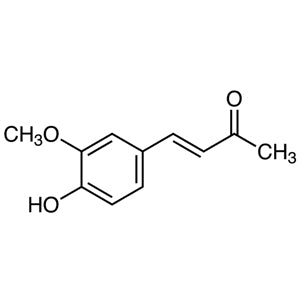
(E)-4-(4-Hydroxy-3-methoxyphenyl)-3-buten-2-one TCI H0996
Regular price From Rp 1.298.850,00Regular price