


1-(3,4-Dimethylphenyl)ethan-1-one is an organic compound widely used in chemical reactions for the synthesis of complex molecules. This versatile building block plays a crucial role in laboratory settings, particularly in the development of aromatic compounds and their derivatives. Its structural simplicity and flexibility make it an essential tool for researchers aiming to create new compounds with specific properties. In the field of organic chemistry, it is frequently employed to construct more complex molecular frameworks, serving as a foundational element in the synthesis of both heterocyclic and non-heterocyclic compounds.
The compound is valued for its chemical stability under controlled conditions, which ensures consistent performance in laboratory experiments. However, it is sensitive to ultraviolet light and oxidation, requiring careful handling and storage. These properties make it a preferred choice for researchers who need reliable and reproducible results. Its ability to participate in a wide range of chemical reactions further enhances its utility, making it a go-to material for those working on synthetic pathways and molecular design.
In Indonesian laboratories, 1-(3,4-Dimethylphenyl)ethan-1-one is commonly used in organic chemistry, pharmacology, and material science research. Local scientists frequently employ this compound to develop new substances with applications in healthcare and industrial sectors. Its availability in various packaging options ensures ease of use across different experimental scales, from small-scale research to large-scale production.
Related TCI products
- TCI D4265 2903-48-2 [(2,6-Dimethylphenyl)amino](oxo)acetic Acid
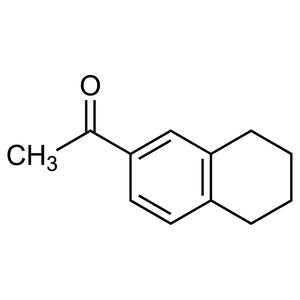
- TCI A3692 774-55-0 1-(5,6,7,8-Tetrahydronaphthalen-2-yl)ethan-1-one
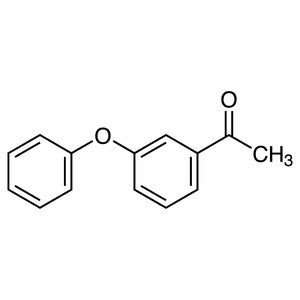
- TCI P3057 32852-92-9 1-(3-Phenoxyphenyl)ethan-1-one
- TCI M3979 1567-75-5 1-(1-Methylcyclopropyl)ethan-1-one
- TCI M3407 13021-18-6 1-(4'-Methoxy[1,1'-biphenyl]-4-yl)ethan-1-one
- TCI H1946 6100-74-9 1-(3-Hydroxy-4-methoxyphenyl)ethan-1-one
- Organic synthesis is a key area where this compound is applied due to its ability to serve as a versatile building block for creating complex molecular structures.
- Pharmacological research benefits from its use in the development of new drug candidates, as it can be modified to produce compounds with desired biological activities.
- Material science applications include the synthesis of polymers and other advanced materials, leveraging its chemical reactivity and structural adaptability.
- Analytical chemistry utilizes this compound as a standard reference material for calibration and quality control in various analytical techniques.
- Environmental studies may incorporate it in the investigation of chemical degradation processes and the behavior of organic compounds in different environments.
| Brand | TCI |
|---|---|
| CAS number | 3637-01-2 |
| Molecular formula | — |
| Purity | — |
| Category | Chemistry > Building Blocks > Non-Heterocyclic Building Blocks |
| Pack sizes | Available in various packaging options to suit different experimental needs |
| Physical form | — |
| Storage | Requires protection from UV light and oxidation |
This compound should be stored in a cool, dark place away from direct sunlight to prevent degradation due to UV exposure. It is recommended to use airtight containers made of materials that resist chemical reactions, such as glass or stainless steel. Due to its sensitivity to oxidation, it should be kept in an environment with minimal oxygen exposure. Proper labeling of containers is essential to ensure safe handling and prevent accidental contamination. In a laboratory setting, it is important to follow standard safety protocols, including the use of personal protective equipment when handling or storing the compound. Regular monitoring of storage conditions ensures the compound remains stable and suitable for use in chemical experiments.
—
Produk Terkait
-
[(2,6-Dimethylphenyl)amino](oxo)aceticAcid TCI D4265
Regular price From Rp 4.373.250,00Regular price -
1-(5,6,7,8-Tetrahydronaphthalen-2-yl)ethan-1-one TCI A3692
Regular price Rp 2.359.350,00Regular price -
1-(3-Phenoxyphenyl)ethan-1-one TCI P3057
Regular price Rp 4.584.300,00Regular price -
1-(1-Methylcyclopropyl)ethan-1-one TCI M3979
Regular price From Rp 1.035.300,00Regular price -
1-(4'-Methoxy[1,1'-biphenyl]-4-yl)ethan-1-one TCI M3407
Regular price From Rp 2.068.500,00Regular price -
1-(3-Hydroxy-4-methoxyphenyl)ethan-1-one TCI H1946
Regular price From Rp 1.115.100,00Regular price -
1-(4-Ethynylphenyl)ethan-1-one TCI E1563
Regular price From Rp 1.087.800,00Regular price -
2-Chloro-1-(2,5-dimethoxyphenyl)ethan-1-one TCI C4117
Regular price Rp 6.015.450,00Regular price
acetic Acid (CAS 2903-48-2) - TCI D4265 - AMI Scientific](http://amiscientific.com/cdn/shop/files/TCI2510D4265.jpg?v=1767107338&width=533)

![13021-18-6 1-(4'-Methoxy[1,1'-biphenyl]-4-yl)ethan-1-one - AMI Scientific](http://amiscientific.com/cdn/shop/files/TCI2510M3407.jpg?v=1767128174&width=533)


