1,2-Epoxycyclohexane from TCI, product code O0071, is also known as cyclohexene oxide. It is a cyclic epoxide: a three-membered oxirane ring fused to a cyclohexane ring. Because the ring contains an oxygen atom, the compound is classed as a heterocyclic building block. In the laboratory, 1,2-Epoxycyclohexane is an important substrate for ring-opening reactions. It is also used as a monomer in polymerization and as a model molecule in catalyst development, which makes it a common reagent in both synthetic and materials chemistry research.
Researchers choose this compound because its epoxide ring is highly strained. As a result, the ring opens readily with many nucleophiles, including amines, alcohols, water, thiols, azides and halides. On this cyclohexane framework, ring opening generally gives trans-1,2-disubstituted products with well-defined stereochemistry, so outcomes are predictable and easy to interpret. The molecule is symmetrical but meso in form. This makes it a standard substrate for testing desymmetrization and enantioselective ring opening with chiral catalysts. It can also copolymerize with carbon dioxide to form polycarbonates.
In Indonesia, 1,2-Epoxycyclohexane is useful to research groups working in catalysis, polymer chemistry and organic synthesis at universities and research institutions. Graduate and postgraduate students use it to study nucleophilic ring-opening mechanisms and stereochemical control. Catalysis laboratories use it as a benchmark substrate when evaluating new chiral or metal-based catalysts. Polymer research teams use it to explore carbon dioxide copolymerization as a route to polycarbonate materials, which also supports broader interest in using carbon dioxide as a chemical feedstock.
Related TCI products
- TCI E1384 64630-63-3 (3,4-Epoxycyclohexyl)methyl Acrylate (stabilized with HQ)
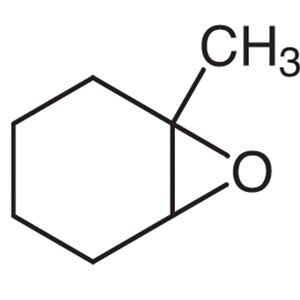
- TCI M1983 1713-33-3 1-Methyl-1,2-epoxycyclohexane
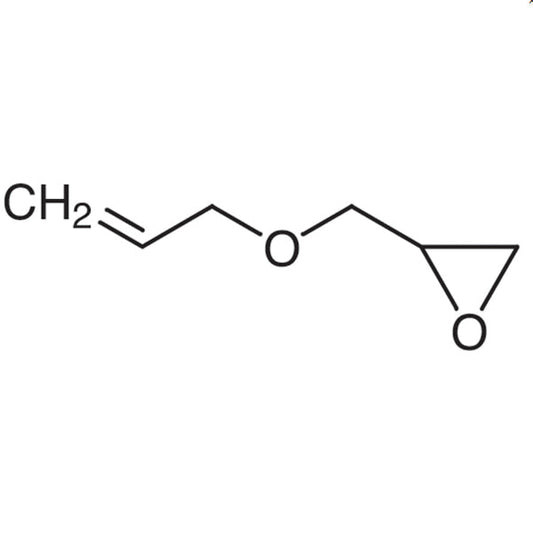
- TCI A0221 106-92-3 Allyl Glycidyl Ether
- TCI V0195 106-87-6 3-(Oxiran-2-yl)-7-oxabicyclo[410]heptane (mixture of isomers)
- TCI B4831 3101-60-8 4-tert-Butylphenyl Glycidyl Ether
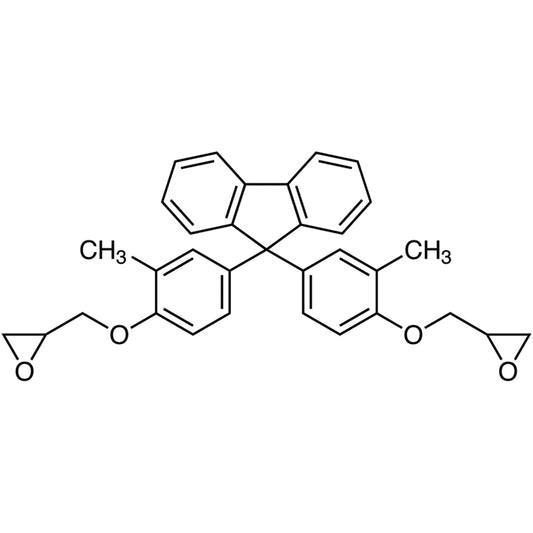
- TCI B4666 114205-89-9 9,9-Bis(4-glycidyloxy-3-methylphenyl)fluorene
- Nucleophilic ring-opening reactions: the strained oxirane ring opens readily with amines, alcohols, water, thiols, azides and halides, giving access to a wide range of functionalized cyclohexane derivatives.
- Stereoselective synthesis of trans-1,2-disubstituted products: ring opening on the cyclohexane framework generally gives trans products with clear stereochemistry, which helps when building defined stereocenters in target molecules.
- Enantioselective catalysis benchmarking: because the molecule is meso, it is a standard substrate for testing desymmetrization and asymmetric ring opening with newly developed chiral catalysts.
- Copolymerization with carbon dioxide: the compound can copolymerize with carbon dioxide to form polycarbonates, which makes it relevant to polymer research and studies on using carbon dioxide.
- Catalyst development and mechanistic studies: its well-understood reactivity makes it a reliable model molecule for comparing catalyst activity, selectivity and reaction mechanisms across different catalytic systems.
| Brand | TCI (product code O0071) |
|---|---|
| CAS number | 286-20-4 |
| Molecular formula | — |
| Purity | — |
| Category | Chemistry > Building Blocks > Heterocyclic Building Blocks |
| Pack sizes | see the available options on the product page |
| Physical form | liquid |
| Storage | keep tightly closed in a cool, dry, well-ventilated place, away from heat and ignition sources |
Store 1,2-Epoxycyclohexane in its original, tightly sealed container in a cool, dry and well-ventilated area. Keep it away from heat, sparks, open flames and other ignition sources. Keep it apart from strong acids, bases, oxidizing agents and nucleophilic reagents, which can trigger unwanted ring opening or polymerization. Handle the compound in a fume hood and wear suitable gloves, safety glasses and a lab coat. Avoid inhaling vapors and avoid contact with skin and eyes. Always read the supplier's Safety Data Sheet before use, and dispose of waste according to institutional and local regulations.
—
Produk Terkait
-
(3,4-Epoxycyclohexyl)methylAcrylate(stabilizedwithHQ) TCI E1384
Regular price From Rp 928.200,00Regular price -
1-Methyl-1,2-epoxycyclohexane TCI M1983
Regular price From Rp 1.696.800,00Regular price -
AllylGlycidylEther TCI A0221
Regular price From Rp 477.750,00Regular price -
3-(Oxiran-2-yl)-7-oxabicyclo[410]heptane(mixtureofisomers) TCI V0195
Regular price From Rp 3.870.300,00Regular price -
4-tert-ButylphenylGlycidylEther TCI B4831
Regular price From Rp 2.279.550,00Regular price -
9,9-Bis(4-glycidyloxy-3-methylphenyl)fluorene TCI B4666
Regular price From Rp 2.518.950,00Regular price -
9,9-Bis(4-glycidyloxyphenyl)fluorene TCI B4269
Regular price From Rp 1.035.300,00Regular price -
BenzylGlycidylEther TCI B2108
Regular price From Rp 1.510.950,00Regular price


![106-87-6 3-(Oxiran-2-yl)-7-oxabicyclo[4.1.0]heptane (mixture of isomers) - AMI Scientific](http://amiscientific.com/cdn/shop/files/TCI2510V0195.jpg?v=1767145750&width=533)