TCI O0196 1-Octyn-3-ol (CAS 818-72-4) is a propargylic alcohol with an eight-carbon chain. The molecule has a terminal alkyne at the end of the chain and a secondary hydroxyl group on the third carbon, right next to the triple bond. These two reactive functional groups make it a versatile building block in organic synthesis. It is well known as a precursor to the omega side chain in the synthesis of prostaglandins and their analogues. It is also used in alkyne coupling, click chemistry, and the preparation of various pharmaceutical intermediates.
Chemists choose this material because its two functional groups can be modified separately or together. The terminal alkyne can take part in Sonogashira coupling, hydrozirconation, hydrostannation, and azide-alkyne cycloaddition. The hydroxyl group can be protected, oxidized to a ketone, or used as a stereogenic centre. The carbon carrying the hydroxyl group is chiral, so the racemic form is also a good substrate for enzymatic kinetic resolution studies and for developing asymmetric methods. This range of options lets one starting material support many different synthetic routes.
In Indonesian laboratories, 1-Octyn-3-ol is useful for medicinal chemistry research, natural product synthesis, and catalysis method development. This includes work at university research groups, government research institutions, and pharmaceutical R&D laboratories. Research groups working on bioactive lipid analogues, new coupling methods, or biocatalytic resolution can use it as a well-defined starting material. As a building block from the TCI catalogue, it fits multi-step synthesis projects as well as student research and thesis work in organic chemistry.
- Prostaglandin synthesis: 1-Octyn-3-ol is a well-known precursor to the omega side chain of prostaglandins and their analogues, so it suits research on bioactive lipid targets.
- Sonogashira and other alkyne couplings: the terminal alkyne reacts readily with aryl and vinyl halides, allowing researchers to build larger conjugated frameworks from a simple, functionalized starting chain.
- Click chemistry: the terminal alkyne can join azide-alkyne cycloaddition reactions to form triazole linkages, which is useful for building molecular libraries and conjugates in medicinal chemistry.
- Hydrometalation chemistry: the alkyne can undergo hydrozirconation or hydrostannation to produce vinyl metal intermediates, which serve as precursors for later stereodefined coupling steps in multi-step synthesis.
- Enzymatic kinetic resolution and asymmetric method development: the chiral carbinol centre makes the racemic material a suitable substrate for testing enzymes, chiral catalysts, and new enantioselective methods.
| Brand | TCI (product code O0196) |
|---|---|
| CAS number | 818-72-4 |
| Molecular formula | — |
| Purity | — |
| Category | Chemistry > Building Blocks > Non-Heterocyclic Building Blocks |
| Pack sizes | available in TCI standard pack sizes; please confirm current options with AMI Scientific |
| Physical form | refer to the TCI product specification and certificate of analysis |
| Storage | follow the storage conditions on the TCI label and Safety Data Sheet (SDS) |
Store 1-Octyn-3-ol in its original, tightly closed container, in a cool, dry, well-ventilated area away from heat, sparks, open flames, and direct sunlight. Keep it apart from strong oxidizing agents and other incompatible materials. Follow the storage conditions stated on the TCI label and SDS. Handle it in a fume hood and wear suitable personal protective equipment, including chemical-resistant gloves, safety goggles, and a laboratory coat. Avoid contact with skin and eyes and do not breathe in vapours. Reseal the container right after use to limit exposure to air and moisture. Dispose of waste according to institutional and local regulations for organic chemicals.
—
Produk Terkait
-
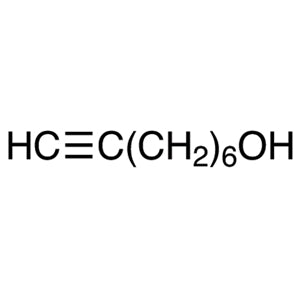
7-Octyn-1-ol TCI O0445
Regular price From Rp 1.431.150,00Regular price -
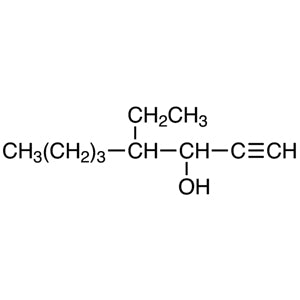
4-Ethyl-1-octyn-3-ol TCI E0270
Regular price From Rp 1.035.300,00Regular price -
2-Octyn-1-ol TCI O0493
Regular price From Rp 1.458.450,00Regular price -
(S)-1-Octyn-3-ol[omegaSide-ChainUnitforPGSynthesis] TCI O0235
Regular price From Rp 2.916.900,00Regular price -
3-Octyn-1-ol TCI O0141
Regular price Rp 1.565.550,00Regular price -
10-Undecyn-1-ol TCI U0055
Regular price Rp 3.446.100,00Regular price -
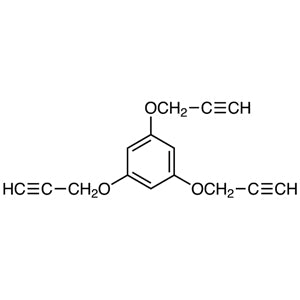
1,3,5-Tris(2-propynyloxy)benzene TCI T3135
Regular price From Rp 4.056.150,00Regular price -
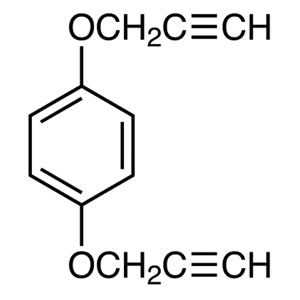
1,4-Bis(2-propynyloxy)benzene TCI B4607
Regular price From Rp 2.597.700,00Regular price

![32556-71-1 (S)-1-Octyn-3-ol [omega Side-Chain Unit for PG Synthesis] - AMI Scientific](http://amiscientific.com/cdn/shop/files/TCI2510O0235.jpg?v=1767131630&width=533)