1,4-Bis(2-propynyloxy)benzene is a chemical compound widely used as a building block in the synthesis of complex organic molecules. It serves as a versatile intermediate in various chemical reactions, particularly those involving the formation of double bonds or aromatic structures. This compound is essential for researchers aiming to create new compounds with specific functional groups or molecular frameworks. Its role in the laboratory is critical for advancing organic chemistry research and development.
The compound's unique molecular structure, featuring two propinyloxy groups attached to a benzene ring, contributes to its reactivity and adaptability in chemical transformations. These groups provide flexibility for further modifications, making it suitable for a range of synthetic strategies. Its stability under controlled conditions ensures reliable performance in laboratory settings. The compound’s reactivity allows it to participate in coupling, cyclization, and substitution reactions, making it a preferred choice for synthetic chemists.
In Indonesian laboratories, 1,4-Bis(2-propynyloxy)benzene is commonly used in organic chemistry research, especially in the development of new compounds or the modification of existing molecular structures. It is also utilized in educational institutions and research centers that require high-quality chemical building blocks for experimental work. Its application spans across pharmaceutical, material science, and industrial chemistry fields, supporting a wide range of scientific investigations.
TCI brochures (PDF)
- Click Chemistry 2026-09-08 · p. 13
Related TCI products
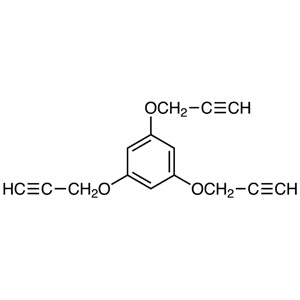
- TCI T3135 114233-80-6 1,3,5-Tris(2-propynyloxy)benzene
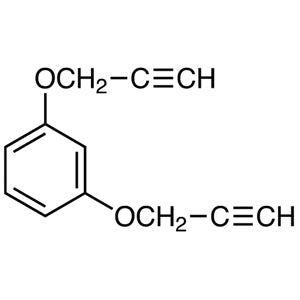
- TCI B4521 26627-36-1 1,3-Bis(2-propynyloxy)benzene
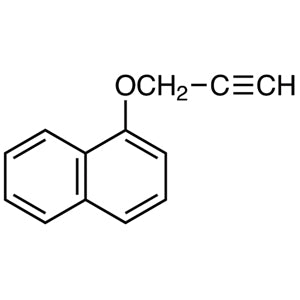
- TCI P2227 18542-45-5 1-(2-Propynyloxy)naphthalene
- TCI P2226 1115084-83-7 1-[(2-Propynyloxy)methyl]pyrene
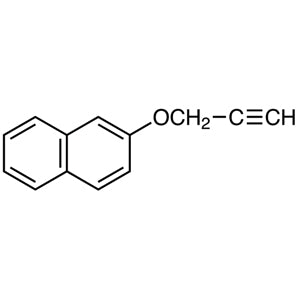
- TCI P2190 20009-28-3 2-(2-Propynyloxy)naphthalene
- TCI B6421 4039-82-1 [(Prop-2-yn-1-yloxy)methyl]benzene
- Organic synthesis applications benefit from this compound due to its reactivity and ability to form complex molecular structures through various chemical reactions.
- It is ideal for coupling reactions where the formation of new bonds is essential for creating functionalized organic compounds.
- Cyclization processes often utilize this compound to form aromatic rings, which are fundamental in many pharmaceutical and material applications.
- Substitution reactions can be effectively carried out using this compound, allowing for the introduction of diverse functional groups into molecular frameworks.
- Research and development in pharmaceutical chemistry rely on this compound for the synthesis of novel drug candidates with specific structural features.
| Brand | TCI |
|---|---|
| CAS number | 34596-36-6 |
| Molecular formula | — |
| Purity | — |
| Category | Chemistry > Building Blocks > Non-Heterocyclic Building Blocks |
| Pack sizes | Available in various quantities as per standard laboratory supply |
| Physical form | Solid, typically in crystalline or powder form |
| Storage | Store in a cool, dry place away from light and moisture |
This compound should be stored in a cool, dry environment, away from direct sunlight and moisture to maintain its stability. It is recommended to use airtight containers made of glass or inert plastic to prevent contamination and degradation. Due to its chemical reactivity, it should be handled with care, using appropriate personal protective equipment such as gloves and safety goggles. It is important to ensure proper ventilation in the laboratory when working with this compound to minimize exposure. Always follow standard laboratory safety protocols to ensure safe handling and storage.
—
Product Categories
Produk Terkait
-
1,3,5-Tris(2-propynyloxy)benzene TCI T3135
Regular price From Rp 4.056.150,00Regular priceRp 2.836.050,00Sale price From Rp 4.056.150,00 -
1,3-Bis(2-propynyloxy)benzene TCI B4521
Regular price From Rp 2.332.050,00Regular priceRp 1.630.650,00Sale price From Rp 2.332.050,00 -
1-(2-Propynyloxy)naphthalene TCI P2227
Regular price From Rp 4.161.150,00Regular priceRp 2.909.550,00Sale price From Rp 4.161.150,00 -
1-[(2-Propynyloxy)methyl]pyrene TCI P2226
Regular price From Rp 5.485.200,00Regular priceRp 3.835.650,00Sale price From Rp 5.485.200,00 -
2-(2-Propynyloxy)naphthalene TCI P2190
Regular price From Rp 2.094.750,00Regular priceRp 1.464.750,00Sale price From Rp 2.094.750,00 -
[(Prop-2-yn-1-yloxy)methyl]benzene TCI B6421
Regular price From Rp 2.094.750,00Regular priceRp 1.464.750,00Sale price From Rp 2.094.750,00 -
2-(2-Propynyloxy)tetrahydropyran TCI P1624
Regular price Rp 2.994.600,00Regular priceRp 2.109.450,00Sale price Rp 2.994.600,00 -
1-Ethynyl-4-(phenylethynyl)benzene TCI E0967
Regular price From Rp 3.100.650,00Regular priceRp 2.168.250,00Sale price From Rp 3.100.650,00