

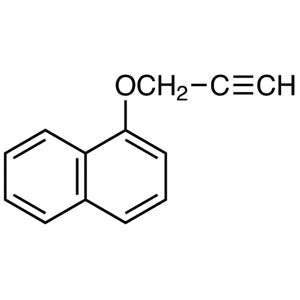
1-(2-Propynyloxy)naphthalene is a chemical compound widely used in organic synthesis reactions to construct complex molecular structures. As a key building block in chemical laboratories, it serves as a versatile intermediate that can participate in various functional group transformations. This compound is commonly found in research settings where the development of new materials or pharmaceutical compounds is the goal. Its role as a foundational element in synthetic pathways makes it an essential tool for chemists working in both academic and industrial environments.
The compound's high reactivity, due to its aromatic naphthalene ring and propinyloxy group, makes it a preferred choice for substitution and covalent reactions. Its stable yet flexible molecular structure allows it to interact effectively with a wide range of functional groups, enabling the synthesis of diverse chemical entities. These properties make it particularly valuable in the creation of compounds with pharmaceutical or material applications. Its non-heterocyclic nature further simplifies synthetic processes and enhances reaction control.
In Indonesian laboratories, 1-(2-Propynyloxy)naphthalene is frequently used in both fundamental and applied chemical research. It is commonly employed in academic institutions and research organizations to support the development of new compounds and materials. Its availability and chemical versatility make it a popular choice for chemists engaged in synthetic and analytical work. This compound is an integral part of the laboratory toolkit for those involved in organic chemistry research.
TCI brochures (PDF)
- Click Chemistry 2026-09-08 · p. 13
Related TCI products
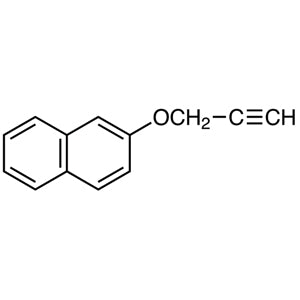
- TCI P2190 20009-28-3 2-(2-Propynyloxy)naphthalene
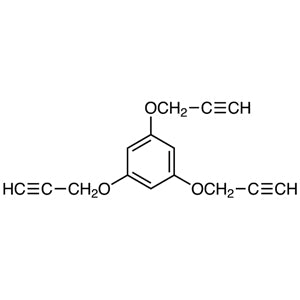
- TCI T3135 114233-80-6 1,3,5-Tris(2-propynyloxy)benzene
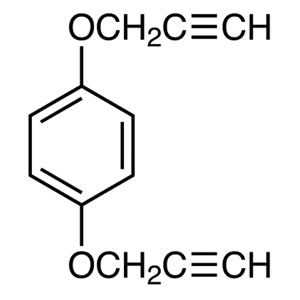
- TCI B4607 34596-36-6 1,4-Bis(2-propynyloxy)benzene
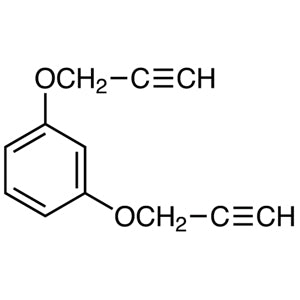
- TCI B4521 26627-36-1 1,3-Bis(2-propynyloxy)benzene
- TCI P2226 1115084-83-7 1-[(2-Propynyloxy)methyl]pyrene
- TCI P1624 6089-04-9 2-(2-Propynyloxy)tetrahydropyran
- Organic synthesis reactions benefit from this compound's reactivity and structural versatility, enabling the creation of complex molecules.
- Pharmaceutical research utilizes its ability to form covalent bonds, aiding in the development of new drug candidates.
- Material science applications leverage its stability and flexibility for the synthesis of advanced polymers and coatings.
- Analytical chemistry uses it as a reference standard for spectroscopic and chromatographic analyses.
- Educational institutions incorporate it into teaching labs to demonstrate synthetic pathways and reaction mechanisms.
| Brand | TCI |
|---|---|
| CAS number | 18542-45-5 |
| Molecular formula | — |
| Purity | — |
| Category | Chemistry > Building Blocks > Non-Heterocyclic Building Blocks |
| Pack sizes | Available in standard laboratory quantities |
| Physical form | Solid, crystalline |
| Storage | Store in a cool, dry place away from light and incompatible substances |
This compound should be stored in a cool, dry environment, away from direct sunlight and sources of heat. It is recommended to use airtight containers to prevent moisture absorption and contamination. Due to its reactivity, it should be kept separate from strong oxidizing agents and incompatible chemicals. Proper labeling of storage containers is essential for safety and traceability. In laboratory settings, personal protective equipment such as gloves and safety goggles should be worn when handling this material to ensure safe and effective use.
—
Product Categories
Produk Terkait
-
2-(2-Propynyloxy)naphthalene TCI P2190
Regular price From Rp 2.094.750,00Regular price -
1,3,5-Tris(2-propynyloxy)benzene TCI T3135
Regular price From Rp 4.056.150,00Regular price -
1,4-Bis(2-propynyloxy)benzene TCI B4607
Regular price From Rp 2.597.700,00Regular price -
1,3-Bis(2-propynyloxy)benzene TCI B4521
Regular price From Rp 2.332.050,00Regular price -
1-[(2-Propynyloxy)methyl]pyrene TCI P2226
Regular price From Rp 5.485.200,00Regular price -
2-(2-Propynyloxy)tetrahydropyran TCI P1624
Regular price Rp 2.942.100,00Regular price -
2,6-Bis(hydroxymethyl)naphthalene TCI B3399
Regular price From Rp 3.419.850,00Regular price -
2,3-Bis(hydroxymethyl)naphthalene TCI B1589
Regular price Rp 4.479.300,00Regular price
![1115084-83-7 1-[(2-Propynyloxy)methyl]pyrene - AMI Scientific](http://amiscientific.com/cdn/shop/files/TCI2510P2226.jpg?v=1767135944&width=533)


