2,6-Bis(hydroxymethyl)naphthalene is a chemical compound widely used in laboratory settings for the synthesis of complex organic molecules. As a building block in chemical reactions, it serves as a versatile intermediate that enables the creation of modified naphthalene structures. This compound is commonly found in chemical laboratories, where it is utilized as a foundational material for the development of new compounds and functionalized derivatives. Its role in synthetic chemistry is critical, especially in the design of compounds with specific functional groups.
The compound’s aromatic structure and hydroxymethyl groups make it highly reactive and adaptable for various chemical transformations. Its stability and reactivity allow for efficient substitution reactions and other synthetic processes. The presence of hydroxymethyl groups enhances its ability to participate in multiple reaction pathways, making it a preferred choice for chemists seeking flexibility in their synthetic strategies. This chemical’s unique properties also contribute to its effectiveness in creating compounds with tailored chemical functionalities.
In Indonesian laboratories, 2,6-Bis(hydroxymethyl)naphthalene is a key component in organic chemistry research. It is frequently used in the synthesis of complex molecules and the development of new materials. Its availability in solid form and solubility in organic solvents make it a practical choice for laboratory use. Researchers in Indonesia rely on this compound for its reliability and performance in synthetic applications, supporting both academic and industrial research efforts.
Related TCI products
- TCI B1589 31554-15-1 2,3-Bis(hydroxymethyl)naphthalene
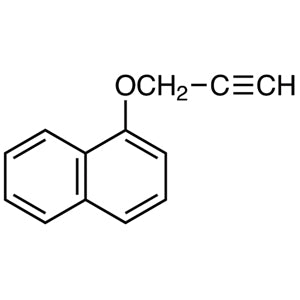
- TCI P2227 18542-45-5 1-(2-Propynyloxy)naphthalene
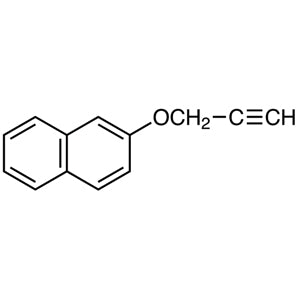
- TCI P2190 20009-28-3 2-(2-Propynyloxy)naphthalene
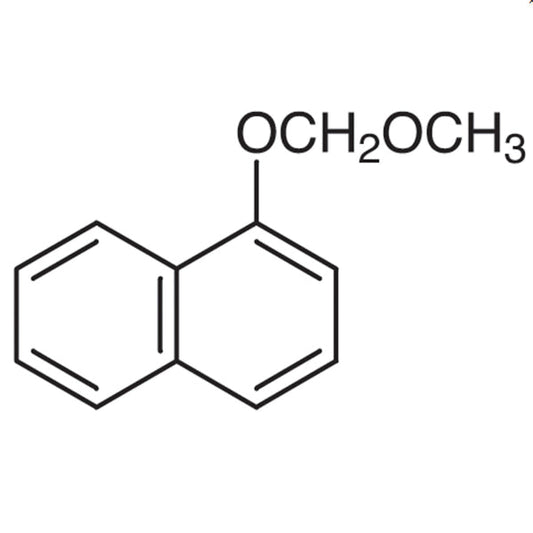
- TCI M1454 7382-37-8 1-(Methoxymethoxy)naphthalene
- TCI B4057 19184-65-7 2-(Bromomethyl)-2-(hydroxymethyl)-1,3-propanediol
- TCI B2618 78840-04-7 2,6-Bis(hydroxymethyl)-1,4-dimethoxybenzene
- Organic synthesis of modified naphthalene derivatives due to its stable aromatic structure and reactive hydroxymethyl groups.
- Development of functionalized compounds for pharmaceutical and material science applications because of its versatility in chemical reactions.
- Creation of complex chemical structures in academic research settings where precise molecular modifications are required.
- Use in polymer chemistry for the synthesis of advanced materials with tailored properties through functional group manipulation.
- Support for industrial chemical processes requiring reliable and efficient building blocks for large-scale synthesis.
| Brand | TCI |
|---|---|
| CAS number | 5859-93-8 |
| Molecular formula | — |
| Purity | — |
| Category | Chemistry > Building Blocks > Non-Heterocyclic Building Blocks |
| Pack sizes | Available in various quantities as per standard laboratory supply |
| Physical form | Solid |
| Storage | Store in a cool, dry place away from direct sunlight and moisture |
This compound should be stored in a cool, dry environment to maintain its chemical integrity. It is recommended to keep it in a sealed container to prevent exposure to moisture and air. Due to its chemical nature, it should be handled in a well-ventilated area to minimize inhalation risks. Avoid contact with skin and eyes, and use appropriate personal protective equipment when handling. It is important to store it away from incompatible substances to ensure safety in the laboratory. Regular inspection of storage conditions is advised to maintain optimal performance and safety standards.
—
Produk Terkait
-
2,3-Bis(hydroxymethyl)naphthalene TCI B1589
Regular price Rp 4.479.300,00Regular priceRp 3.132.150,00Sale price Rp 4.479.300,00 -
1-(2-Propynyloxy)naphthalene TCI P2227
Regular price From Rp 4.161.150,00Regular priceRp 2.909.550,00Sale price From Rp 4.161.150,00 -
2-(2-Propynyloxy)naphthalene TCI P2190
Regular price From Rp 2.094.750,00Regular priceRp 1.464.750,00Sale price From Rp 2.094.750,00 -
1-(Methoxymethoxy)naphthalene TCI M1454
Regular price Rp 2.625.000,00Regular priceRp 1.835.400,00Sale price Rp 2.625.000,00 -
2-(Bromomethyl)-2-(hydroxymethyl)-1,3-propanediol TCI B4057
Regular price From Rp 1.644.300,00Regular priceRp 1.149.750,00Sale price From Rp 1.644.300,00 -
2,6-Bis(hydroxymethyl)-1,4-dimethoxybenzene TCI B2618
Regular price Rp 2.837.100,00Regular priceRp 1.983.450,00Sale price Rp 2.837.100,00 -
1,8-Bis(hydroxymethyl)anthracene TCI B1904
Regular price Rp 9.673.650,00Regular priceRp 6.764.100,00Sale price Rp 9.673.650,00