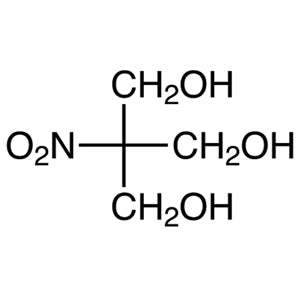
2-(Bromomethyl)-2-(hydroxymethyl)-1,3-propanediol is a versatile chemical compound widely used in synthetic laboratory reactions. This compound serves as a building block for the creation of more complex organic molecules, playing a crucial role in various chemical syntheses. Its unique structure allows for substitution reactions and other chemical transformations, making it an essential reagent in organic chemistry. Due to its functional groups, it is often employed in the development of pharmaceuticals and industrial chemicals.
The compound's high reactivity and ability to form bonds with other molecules make it a preferred choice for chemists. The presence of both bromomethyl and hydroxymethyl groups enhances its functionality, enabling it to participate in a wide range of chemical processes. These properties make it suitable for reactions requiring substitution or functional group manipulation. Its versatility allows it to be used in different reaction conditions, including both polar and non-polar solvents, depending on the experimental needs.
In Indonesian laboratories, this compound is commonly used in organic chemistry research, particularly in the synthesis of complex compounds and the development of new chemical materials. Its reactivity and adaptability make it an important tool for researchers working on drug development and industrial chemical production. Its widespread use reflects its importance in both academic and industrial chemical applications.
Related TCI products
- TCI H0271 126-11-4 2-(Hydroxymethyl)-2-nitro-1,3-propanediol
- TCI D1808 3296-90-0 2,2-Bis(bromomethyl)-1,3-propanediol
- TCI B1247 52-51-7 2-Bromo-2-nitro-1,3-propanediol
- TCI B0922 115-84-4 2-Butyl-2-ethyl-1,3-propanediol
- TCI P1335 538-43-2 3-Phenoxy-1,2-propanediol
- TCI P1249 1570-95-2 2-Phenyl-1,3-propanediol
- Organic synthesis is a primary application where this compound is used to create complex molecules through substitution reactions.
- Pharmaceutical research benefits from its reactivity, as it can be used in the development of new drug compounds through functional group modifications.
- Industrial chemical production relies on this compound for the synthesis of various chemical intermediates and specialty products.
- Polymer science utilizes this compound due to its ability to form cross-linking structures in polymer networks.
- Analytical chemistry employs this compound as a standard for calibrating instruments and testing reaction mechanisms.
| Brand | TCI |
|---|---|
| CAS number | 19184-65-7 |
| Molecular formula | — |
| Purity | — |
| Category | Chemistry > Building Blocks > Non-Heterocyclic Building Blocks |
| Pack sizes | Available in various quantities as per supplier specifications |
| Physical form | Liquid |
| Storage | Store in a cool, dry place away from light and incompatible materials |
This compound should be stored in a cool, dry environment, away from direct sunlight and sources of heat. It is recommended to use airtight containers made of materials that are chemically inert, such as glass or high-density polyethylene. Due to its reactivity, it should be handled with appropriate personal protective equipment, including gloves and safety goggles. It is important to ensure good ventilation in the laboratory when working with this compound. Avoid contact with incompatible substances such as strong oxidizers or acids. Always follow standard laboratory safety protocols to minimize risks associated with handling reactive chemicals.
—
Produk Terkait
-
2-(Hydroxymethyl)-2-nitro-1,3-propanediol TCI H0271
Regular price From Rp 717.150,00Regular priceRp 500.850,00Sale price From Rp 717.150,00 -
2,2-Bis(bromomethyl)-1,3-propanediol TCI D1808
Regular price From Rp 452.550,00Regular priceRp 316.050,00Sale price From Rp 452.550,00 -
2-Bromo-2-nitro-1,3-propanediol TCI B1247
Regular price From Rp 1.008.000,00Regular priceRp 704.550,00Sale price From Rp 1.008.000,00 -
2-Butyl-2-ethyl-1,3-propanediol TCI B0922
Regular price From Rp 530.250,00Regular priceRp 386.400,00Sale price From Rp 530.250,00 -
3-Phenoxy-1,2-propanediol TCI P1335
Regular price From Rp 3.340.050,00Regular priceRp 2.350.950,00Sale price From Rp 3.340.050,00 -
2-Phenyl-1,3-propanediol TCI P1249
Regular price From Rp 1.485.750,00Regular priceRp 1.038.450,00Sale price From Rp 1.485.750,00 -
1,3-Propanediol TCI P0486
Regular price From Rp 530.250,00Regular priceRp 386.400,00Sale price From Rp 530.250,00