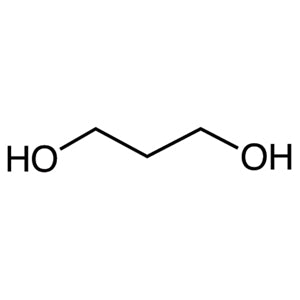
1,3-Propanediol is a chemical compound with a molecular structure featuring two hydroxyl (-OH) groups positioned on the second and third carbon atoms of a three-carbon chain. It plays a crucial role in the laboratory as a foundational building block for the synthesis of various organic compounds. Its versatility makes it indispensable in chemical research, where it is used to create esters, amines, and polymers. This compound is essential for constructing complex molecular structures, enabling researchers to explore new chemical pathways and develop innovative materials.
The chemical properties of 1,3-Propanediol make it a preferred choice in laboratory settings. It is chemically stable, with appropriate boiling and melting points suitable for laboratory use. Its neutral color and odorless nature simplify identification and handling. Additionally, its low reactivity with most chemical substances minimizes the risk of unwanted side reactions, ensuring reliable and reproducible experimental results. These characteristics make it a trusted reagent in both academic and industrial research environments.
In Indonesian laboratories, 1,3-Propanediol is commonly used in organic synthesis and polymer research. Its availability in various packaging sizes ensures convenience for both small-scale experiments and larger projects. It is widely utilized in academic institutions and research facilities across Indonesia, supporting a wide range of chemical investigations. Its reliability and consistent performance make it a staple in the chemical supply chain of Indonesian laboratories.
Related TCI products
- Organic synthesis is a key application where 1,3-Propanediol serves as a versatile building block for creating esters, amines, and polymers due to its two hydroxyl groups.
- Polymer research benefits from 1,3-Propanediol as it can be used to synthesize polymeric materials through various chemical reactions.
- Chemical reaction intermediates often rely on 1,3-Propanediol because of its stability and ability to participate in multiple functional group reactions.
- Analytical chemistry experiments utilize 1,3-Propanediol as a standard reference material due to its purity and consistent properties.
- Industrial chemical processes incorporate 1,3-Propanediol as a raw material for producing specialty chemicals and biodegradable polymers.
| Brand | TCI |
|---|---|
| CAS number | 504-63-2 |
| Molecular formula | — |
| Purity | — |
| Category | Chemistry > Building Blocks > Non-Heterocyclic Building Blocks |
| Pack sizes | Available in various sizes to suit different laboratory needs |
| Physical form | Colorless liquid |
| Storage | Store in a cool, dry place away from direct sunlight |
1,3-Propanediol should be stored in a cool, dry place away from direct sunlight to maintain its chemical stability. It is recommended to use airtight containers made of glass or polyethylene to prevent contamination and evaporation. Due to its neutral odor and color, it is important to label containers clearly to avoid confusion with other reagents. While it is generally non-reactive, it is advisable to handle it with care and use appropriate personal protective equipment when working with it. Proper storage ensures the compound remains effective for use in laboratory applications, supporting consistent and reliable experimental outcomes.
—
Product Categories
Produk Terkait
-
1,2-Propanediol TCI P0485
Regular price Rp 477.750,00Regular price -
2-Butyl-2-ethyl-1,3-propanediol TCI B0922
Regular price From Rp 477.750,00Regular price -
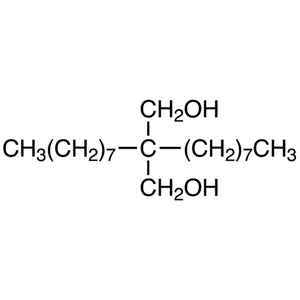
2,2-Di-n-octyl-1,3-propanediol TCI D2842
Regular price From Rp 3.525.900,00Regular price -
2,2-Diisoamyl-1,3-propanediol TCI D2800
Regular price Rp 8.851.500,00Regular price -
2,2-Diisobutyl-1,3-propanediol TCI D2777
Regular price From Rp 2.571.450,00Regular price -
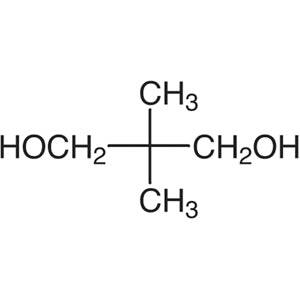
2,2-Dimethyl-1,3-propanediol TCI D0791
Regular price From Rp 477.750,00Regular price -
EthyleneGlycol TCI E0105
Regular price From Rp 530.250,00Regular price -
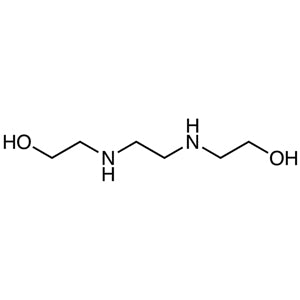
N,N'-Bis(2-hydroxyethyl)ethylenediamine TCI B3807
Regular price Rp 3.498.600,00Regular price