2-Butyl-2-ethyl-1,3-propanediol is a chemical compound widely used in laboratory settings for its versatility in organic synthesis. As a building block in chemistry, it serves as a key intermediate in various chemical reactions, enabling the creation of more complex molecules. Its molecular structure contains two hydroxyl groups, which make it highly reactive in functional group transformations. This compound is essential for researchers aiming to develop new compounds or modify existing ones through chemical reactions such as esterification and hydrolysis.
The compound’s chemical stability and solubility in organic solvents make it a preferred choice for laboratory applications. Its ability to dissolve in a wide range of solvents enhances its utility in synthetic processes where high solubility is required. Additionally, its relatively high boiling point allows it to be used in reactions that require controlled thermal conditions. These properties contribute to its reliability and ease of handling in both academic and industrial research environments.
In Indonesian laboratories, 2-Butyl-2-ethyl-1,3-propanediol is commonly used in both fundamental and applied chemistry research. It plays a crucial role in the development of new materials, pharmaceuticals, and specialty chemicals. Its availability and chemical properties make it a staple in chemical laboratories across Indonesia, supporting a wide range of experimental needs and research objectives.
TCI brochures (PDF)
- Biomaterials Research Reagents 2025-02-19 · p. 19
- Monomers 2025-05-28 · p. 23
Related TCI products
- Organic synthesis is a key application where this compound serves as a versatile building block for creating complex molecules through esterification and substitution reactions.
- Polymer chemistry benefits from its hydroxyl groups, which can participate in cross-linking and chain extension during polymerization processes.
- Analytical chemistry uses it as a solvent or standard for chromatographic and spectroscopic analyses due to its solubility and chemical stability.
- Pharmaceutical research incorporates it in the synthesis of drug molecules, where its reactivity supports functional group modifications.
- Industrial chemical processes rely on its properties for the production of surfactants, coatings, and other specialty chemicals.
| Brand | TCI |
|---|---|
| CAS number | 115-84-4 |
| Molecular formula | — |
| Purity | — |
| Category | Chemistry > Building Blocks > Non-Heterocyclic Building Blocks |
| Pack sizes | Available in various quantities as per standard laboratory supply |
| Physical form | Liquid |
| Storage | Store in a cool, dry place away from direct sunlight and incompatible materials |
This compound should be stored in a cool, dry environment, away from direct sunlight and sources of heat. It is recommended to use sealed containers made of materials compatible with organic solvents to prevent evaporation and contamination. Due to its chemical stability, it does not require refrigeration but should be kept in a well-ventilated area to minimize exposure. Laboratory personnel should wear appropriate personal protective equipment, such as gloves and safety goggles, when handling the compound to ensure safe usage. Proper labeling of containers is essential to prevent accidental misuse and ensure safe handling in the laboratory setting.
—
Product Categories
Produk Terkait
-
1,3-Propanediol TCI P0486
Regular price From Rp 530.250,00Regular priceRp 386.400,00Sale price From Rp 530.250,00 -
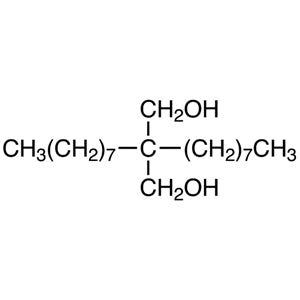
2,2-Di-n-octyl-1,3-propanediol TCI D2842
Regular price From Rp 3.578.400,00Regular priceRp 2.517.900,00Sale price From Rp 3.578.400,00 -
2,2-Diisoamyl-1,3-propanediol TCI D2800
Regular price Rp 8.904.000,00Regular priceRp 6.242.250,00Sale price Rp 8.904.000,00 -
2,2-Diisobutyl-1,3-propanediol TCI D2777
Regular price From Rp 2.623.950,00Regular priceRp 1.850.100,00Sale price From Rp 2.623.950,00 -
1,2-Propanediol TCI P0485
Regular price Rp 530.250,00Regular priceRp 386.400,00Sale price Rp 530.250,00 -
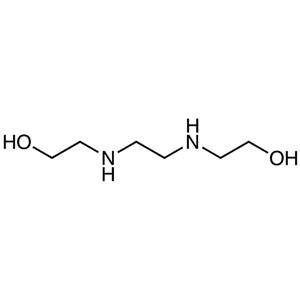
N,N'-Bis(2-hydroxyethyl)ethylenediamine TCI B3807
Regular price Rp 3.498.600,00Regular priceRp 2.446.500,00Sale price Rp 3.498.600,00 -
trans-2-Butene-1,4-diol TCI B3384
Regular price From Rp 2.809.800,00Regular priceRp 1.980.300,00Sale price From Rp 2.809.800,00 -
2,2'-Bis(hydroxymethyl)diphenylEther TCI B1643
Regular price From Rp 3.815.700,00Regular priceRp 2.683.800,00Sale price From Rp 3.815.700,00