2-Bromo-2-nitro-1,3-propanediol is a chemical compound widely used as a building block in various organic chemistry reactions. It plays a crucial role in the synthesis of more complex organic molecules, serving as a versatile intermediate in laboratory settings. This compound is particularly valuable for its reactivity, enabling chemists to perform substitution and oxidation reactions efficiently. Its presence in the lab supports the development of new chemical structures and the exploration of reaction mechanisms.
The compound's reactivity is driven by its functional groups, including the nitro and bromo groups, which make it prone to electrophilic substitution reactions. These characteristics make it a preferred choice for researchers aiming to modify molecular structures or create new compounds. Its solubility in organic solvents further enhances its utility, allowing for easier purification and separation processes. This combination of chemical properties ensures its relevance in both academic and industrial research.
In Indonesian laboratories, 2-Bromo-2-nitro-1,3-propanediol is commonly used in scientific research and the development of chemical products. It is a staple in research institutions and universities, where it supports experimental work and the advancement of chemical technologies. Its availability and reliability make it an essential component in the toolkit of chemists working on complex synthesis projects.
TCI brochures (PDF)
- Antimicrobials and Antitumor Agents for Research and Experimental Use 2025-04-24 · p. 7
- Pharmaceutical Ingredients for Research and Experimental Use 2026-03-09 · p. 7
Related TCI products
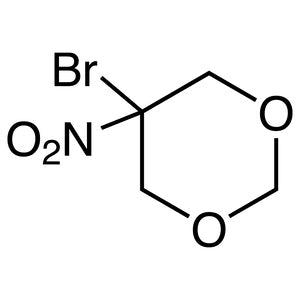
- TCI B3156 30007-47-7 5-Bromo-5-nitro-1,3-dioxane
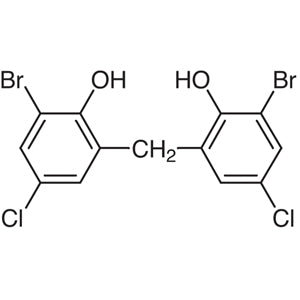
- TCI M1940 15435-29-7 2,2'-Methylenebis(6-bromo-4-chlorophenol)
- TCI M3460 13182-89-3 2-(2-Methyl-5-nitro-1H-imidazol-1-yl)ethyl Benzoate
- TCI T1872 3380-34-5 Triclosan
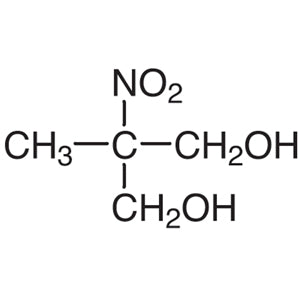
- TCI M0639 77-49-6 2-Methyl-2-nitro-1,3-propanediol
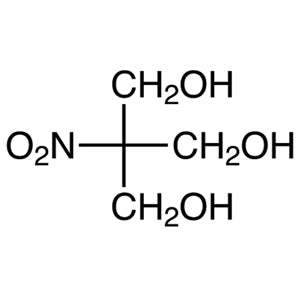
- TCI H0271 126-11-4 2-(Hydroxymethyl)-2-nitro-1,3-propanediol
- Organic synthesis reactions benefit from this compound’s reactivity and functional groups, enabling the creation of complex molecules.
- It is ideal for electrophilic substitution reactions due to its bromo and nitro groups, which facilitate chemical modifications.
- The compound’s solubility in organic solvents makes it suitable for purification and separation processes in analytical chemistry.
- It supports the development of new chemical structures in research settings, aiding in the exploration of reaction mechanisms.
- Its versatility in various synthetic pathways makes it a valuable tool for both academic and industrial chemical research.
| Brand | TCI |
|---|---|
| CAS number | 52-51-7 |
| Molecular formula | — |
| Purity | — |
| Category | Chemistry > Building Blocks > Non-Heterocyclic Building Blocks |
| Pack sizes | Available in various quantities as per supplier specifications |
| Physical form | Liquid |
| Storage | Store in a cool, dry place away from light and incompatible materials |
This compound should be stored in a cool, dry place, away from direct sunlight and incompatible substances. It is recommended to use airtight containers made of materials resistant to chemical reactions, such as glass or polyethylene. Due to its reactivity, it should be handled in a well-ventilated area, preferably under a fume hood. Avoid contact with strong oxidizing agents or bases. Always wear appropriate personal protective equipment, including gloves and safety goggles, when handling this material. Proper storage and handling are essential to maintain its chemical integrity and ensure laboratory safety.
—
Product Categories
- Biochemicals and ReagentsAntibioticsAntibiotics (Chemical Structure Class)
- Biochemicals and ReagentsPharmaceutical Research Reagents (for Experimental Use)Antimicrobial Ingredients (for Research and Experimental Use)
- MicrobiologyAntibioticsAntibiotics (Chemical Structure Class)
- Pharmaceutical Development and Drug Discovery ResearchPharmaceutical Research Reagents (for Experimental Use)Antimicrobial Ingredients (for Research and Experimental Use)
- Pharmaceutical Development and Drug Discovery ResearchAntibioticsAntibiotics (Chemical Structure Class)
Produk Terkait
-
5-Bromo-5-nitro-1,3-dioxane TCI B3156
Regular price Rp 2.411.850,00Regular priceRp 1.702.050,00Sale price Rp 2.411.850,00 -
2,2'-Methylenebis(6-bromo-4-chlorophenol) TCI M1940
Regular price Rp 2.279.550,00Regular priceRp 1.593.900,00Sale price Rp 2.279.550,00 -
2-(2-Methyl-5-nitro-1H-imidazol-1-yl)ethylBenzoate TCI M3460
Regular price From Rp 1.140.300,00Regular priceRp 812.700,00Sale price From Rp 1.140.300,00 -
Triclosan TCI T1872
Regular price From Rp 1.776.600,00Regular priceRp 1.257.900,00Sale price From Rp 1.776.600,00 -
2-Methyl-2-nitro-1,3-propanediol TCI M0639
Regular price From Rp 2.173.500,00Regular priceRp 1.535.100,00Sale price From Rp 2.173.500,00 -
2-(Hydroxymethyl)-2-nitro-1,3-propanediol TCI H0271
Regular price From Rp 717.150,00Regular priceRp 500.850,00Sale price From Rp 717.150,00 -
2-(Bromomethyl)-2-(hydroxymethyl)-1,3-propanediol TCI B4057
Regular price From Rp 1.644.300,00Regular priceRp 1.149.750,00Sale price From Rp 1.644.300,00 -
2-Butyl-2-ethyl-1,3-propanediol TCI B0922
Regular price From Rp 530.250,00Regular priceRp 386.400,00Sale price From Rp 530.250,00