TCI 4-Aminobenzaldehyde Polymer (CAS 28107-09-7) is a functional polymer whose macromolecular chains carry both aromatic amino groups and aldehyde groups. Classified under Materials Science, specifically in the category of polymer and macromolecule reagents, it plays an important role in the laboratory as a precursor and synthetic intermediate for materials chemistry research. Its two distinct reactive sites allow the material to participate in a broad range of chemical transformations, making it a versatile building block for scientists working on polymer synthesis, surface chemistry, and the preparation of advanced functional materials in both academic and industrial research settings.
The main advantage of this polymer lies in its chemical bifunctionality: two different reactive sites coexist within a single polymer chain. The amino groups readily react with a variety of carbonyl compounds, while the aldehyde groups enable further modification through condensation reactions, Schiff base formation, or immobilization onto surfaces. This combination allows researchers to perform cross-functionalization, for example by attaching biological molecules, metals, or dyes through covalent bridges. As a product manufactured by TCI, it is supplied with consistent quality, which supports reliable and reproducible results across repeated experiments in polymer research and materials science.
In Indonesian laboratories, this polymer is commonly used to prepare modified polymer frameworks, functional membranes, heterogeneous catalysts, and hybrid materials that are widely investigated in polymer research and materials science. Research groups and analytical laboratories employ it when constructing surface-functionalized supports or exploring new routes for macromolecular modification. Its availability as a catalog reagent from TCI makes it straightforward to integrate into routine experimental workflows, from small-scale synthesis trials to larger material preparation projects, supporting both fundamental studies and applied development efforts.
- Preparation of modified polymer frameworks — the amino and aldehyde groups provide two independent anchoring points that allow controlled introduction of functional side chains along the polymer backbone for tailored material properties.
- Fabrication of functional membranes — the reactive aldehyde groups enable crosslinking and surface functionalization, helping researchers tune permeability, selectivity, and chemical resistance of the resulting membrane materials.
- Development of heterogeneous catalysts — the polymer can immobilize metal species or catalytic centers through covalent bridges, producing supported catalysts that are easier to recover and reuse in repeated reaction cycles.
- Construction of hybrid materials — the bifunctional structure allows conjugation with biological molecules, metals, or dyes, supporting the design of organic–inorganic hybrids for advanced material studies and applications.
- Surface immobilization and Schiff base chemistry — the aldehyde functionality forms Schiff bases with amines, enabling attachment of biomolecules or ligands onto polymer surfaces for sensing, recognition, and diagnostic applications.
| Brand | TCI |
|---|---|
| CAS number | 28107-09-7 |
| Molecular formula | — |
| Purity | — |
| Category | Materials Science > Polymer/Macromolecule Reagents > Polymers |
| Pack sizes | available through standard TCI catalog supply; exact pack size options should be confirmed with the supplier at the time of ordering |
| Physical form | — |
| Storage | keep in a cool, dry place, protected from light and moisture |
- Product name: 4-Aminobenzaldehyde Polymer
Store the material in its original, tightly sealed container in a cool, dry, and well-ventilated area, protected from direct sunlight, heat, and excessive humidity. Use containers made of materials compatible with the polymer, and avoid prolonged exposure to air and moisture, which may affect the reactive aldehyde and amino groups. Wear appropriate personal protective equipment such as laboratory gloves and safety goggles when handling the substance. Work in a fume hood or adequately ventilated area, avoid generating dust, and keep the material away from incompatible reagents such as strong oxidizers and acids. Follow standard laboratory hygiene practices and dispose of waste in accordance with local regulations.
—
Produk Terkait
-
AcrylamidePolymer(containingsmallamountsofformalinasfungicide)(10%inWater) TCI A0140
Regular price Rp 3.075.450,00Regular price -
MethylMethacrylatePolymer TCI M0088
Regular price From Rp 477.750,00Regular price -
IsobutylMethacrylatePolymer TCI M0086
Regular price From Rp 637.350,00Regular price -
EthylGlyoxylatePolymerform(47%inToluene) TCI G0264
Regular price From Rp 1.167.600,00Regular price -
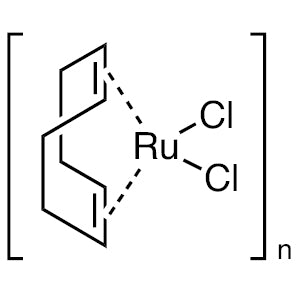
Dichloro(1,5-cyclooctadiene)ruthenium(II)Polymer TCI D4792
Regular price From Rp 3.710.700,00Regular price -
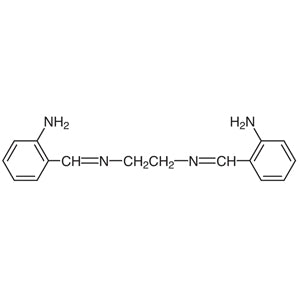
N,N'-Bis(2-aminobenzal)ethylenediamine TCI A0261
Regular price Rp 2.969.400,00Regular price -
4-Diethylaminobenzaldoxime(mixtureofisomers) TCI D4850
Regular price From Rp 610.050,00Regular price -
4-Dimethylaminobenzaldehyde TCI D1495
Regular price From Rp 610.050,00Regular price