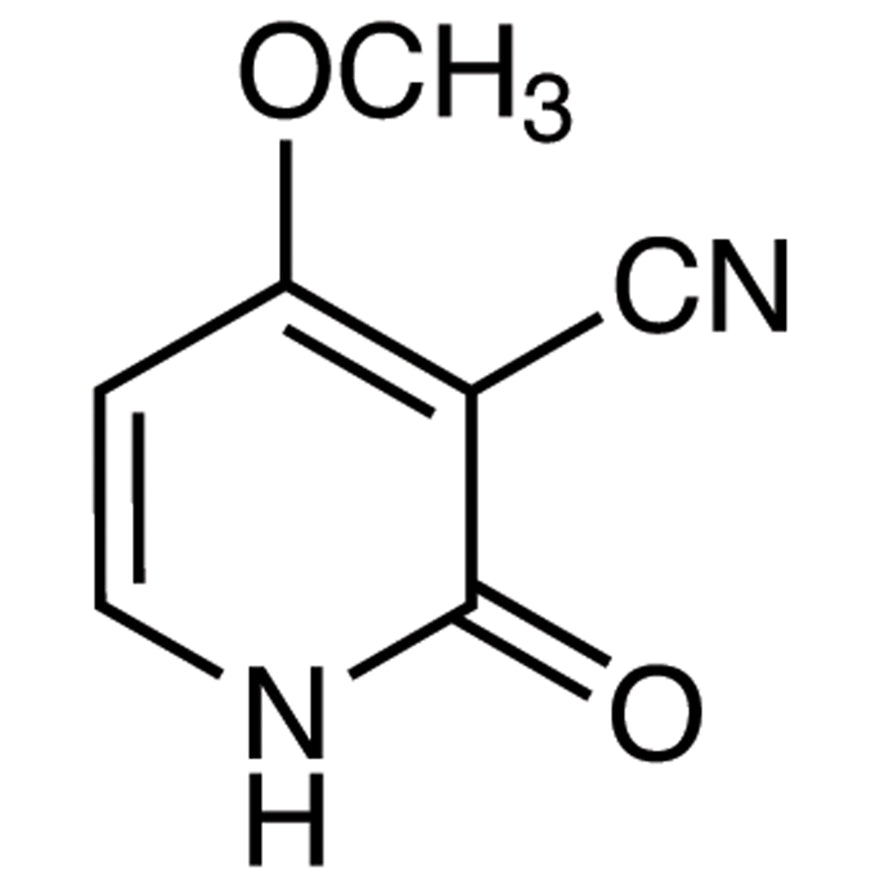
3-Cyano-4-methoxy-2-pyridone is a versatile chemical compound widely used in laboratory settings as a building block for the synthesis of heterocyclic compounds. This compound plays a crucial role in organic chemistry by enabling the formation of pyridine-based structures, which are fundamental in many pharmaceutical and industrial applications. Its unique molecular structure allows it to participate in various types of chemical reactions, making it an essential tool for researchers aiming to develop new compounds with specific functional properties.
The compound's high reactivity and structural complexity make it a preferred choice for a range of synthetic processes. It is particularly useful in substitution reactions, condensation reactions, and cyclic reactions, where its ability to form stable intermediates enhances the efficiency of chemical transformations. Additionally, its stability under certain conditions ensures that it can be easily manipulated and stored, contributing to its popularity among chemists. This stability also supports its use in long-term research projects requiring consistent performance.
In Indonesian laboratories, 3-Cyano-4-methoxy-2-pyridone is commonly used in chemical, pharmaceutical, and material science research. It is a key component in the development of new compounds with potential applications in medicine and industry. Its availability in the local market facilitates access for researchers, enabling them to conduct experiments and contribute to scientific advancements in various fields.
- Organic synthesis of heterocyclic compounds due to its ability to form stable pyridine-based structures.
- Development of pharmaceuticals as a building block for drug molecule design and modification.
- Research in material science for the creation of novel polymers and functional materials.
- Chemical reaction studies involving substitution and condensation processes due to its reactivity.
- Academic research in Indonesian universities and research institutions for educational and experimental purposes.
| Brand | TCI |
|---|---|
| CAS number | 21642-98-8 |
| Molecular formula | — |
| Purity | — |
| Category | Chemistry > Building Blocks > Heterocyclic Building Blocks |
| Pack sizes | Available in standard laboratory quantities as per supplier specifications |
| Physical form | Solid, crystalline appearance |
| Storage | Store in a cool, dry place away from direct light and moisture |
This compound should be stored in a cool, dry environment to maintain its stability and prevent degradation. It is recommended to keep it in a tightly sealed container to avoid exposure to moisture and air, which could affect its reactivity. Due to its chemical nature, it should be handled in a well-ventilated area, and appropriate personal protective equipment should be worn when working with it. Avoid contact with incompatible substances to ensure safe laboratory practices. Proper labeling of containers is essential for safe handling and storage. Regular inspection of storage conditions is advised to ensure the compound remains in optimal condition for use.
—
Produk Terkait
-
3-Cyano-1-ethyl-6-hydroxy-4-methyl-2-pyridone TCI C2785
Regular price Rp 1.035.300,00Regular price -
6-Phenyl-2-pyridone TCI P0948
Regular price Rp 7.579.950,00Regular price -
1-Methyl-2-pyridone TCI M0412
Regular price From Rp 1.856.400,00Regular price -
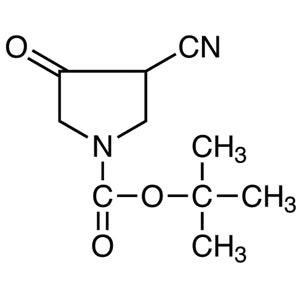
1-tert-Butoxycarbonyl-3-cyano-4-pyrrolidone TCI B4761
Regular price From Rp 689.850,00Regular price -
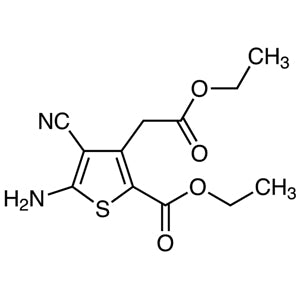
Ethyl5-Amino-4-cyano-3-(2-ethoxycarbonylmethyl)thiophene-2-carboxylate TCI E0980
Regular price From Rp 689.850,00Regular price -
N-[4-Cyano-3-(trifluoromethyl)phenyl]-2-methyloxirane-2-carboxamide TCI C3607
Regular price From Rp 1.193.850,00Regular price -
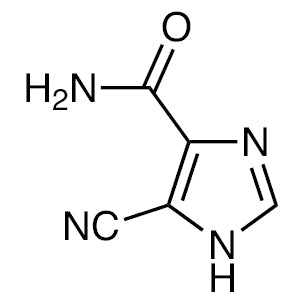
5-Cyano-1H-imidazole-4-carboxamide TCI C1338
Regular price From Rp 875.700,00Regular price -
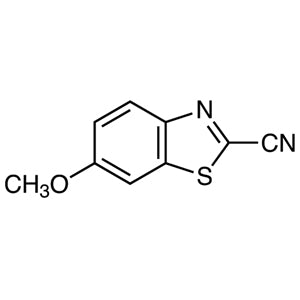
2-Cyano-6-methoxybenzothiazole TCI C1176
Regular price Rp 2.332.050,00Regular price


![N-[4-Cyano-3-(trifluoromethyl)phenyl]-2-methyloxirane-2-carboxamide (CAS 90357-51-0) - TCI C3607 - AMI Scientific](http://amiscientific.com/cdn/shop/files/TCI2510C3607.jpg?v=1767099830&width=533)