6-Phenyl-2-pyridone is a chemical compound widely used in organic synthesis reactions within laboratory settings. As a heterocyclic building block, it plays a crucial role in the development of complex molecules, including pharmaceuticals, industrial chemicals, and electronic components. Its unique molecular structure allows it to participate in various chemical transformations, making it an essential reagent for chemists working on advanced synthesis projects. This compound is particularly valued for its versatility in reacting with a range of reagents, including acids, bases, and organic solvents, enabling the creation of diverse chemical derivatives.
The chemical properties of 6-Phenyl-2-pyridone make it a preferred choice for researchers. Its stability under various reaction conditions ensures consistent results in laboratory experiments. The compound's ability to undergo substitution, condensation, and other reactions with heterocyclic structures enhances its utility in synthetic pathways. Additionally, its complex molecular framework allows for the formation of new compounds through multiple reaction mechanisms, which is highly beneficial in organic chemistry research and molecular synthesis. These characteristics contribute to its popularity among scientists and researchers.
In Indonesian laboratories, 6-Phenyl-2-pyridone is commonly used in pure chemical research, drug development, and chemical processing. Its availability in the local market supports ongoing scientific investigations that require heterocyclic compounds. It is also a valuable tool in research projects that involve the synthesis of complex molecules, providing a reliable and effective building block for a wide range of chemical applications.
- Organic synthesis is a key application where 6-Phenyl-2-pyridone is used to create complex molecules due to its heterocyclic structure and reactivity.
- Drug development benefits from this compound as it is a building block for synthesizing pharmaceutical compounds with specific biological activity.
- Industrial chemical processing utilizes this compound to produce a variety of chemical intermediates and specialty products.
- Electronic component manufacturing relies on 6-Phenyl-2-pyridone for the synthesis of materials used in semiconductor and conductive applications.
- Research in heterocyclic chemistry often incorporates this compound to study its reactivity and potential for forming new chemical structures.
| Brand | TCI |
|---|---|
| CAS number | 19006-82-7 |
| Molecular formula | — |
| Purity | — |
| Category | Chemistry > Building Blocks > Heterocyclic Building Blocks |
| Pack sizes | Available in standard laboratory quantities |
| Physical form | Solid |
| Storage | Store in a cool, dry place away from direct sunlight |
6-Phenyl-2-pyridone should be stored in a cool, dry environment to maintain its chemical stability. It is recommended to keep the compound in a sealed container to prevent exposure to moisture and air. Suitable containers for storage include glass or high-density polyethylene vessels that are resistant to chemical reactions. Laboratory personnel should handle the compound with appropriate personal protective equipment, such as gloves and safety goggles, to ensure safety. The compound is generally stable under normal laboratory conditions but should be kept away from incompatible substances like strong acids or bases. Proper labeling and storage practices are essential to maintain the integrity of the material and ensure safe handling in the laboratory.
—
Produk Terkait
-
1-Methyl-2-pyridone TCI M0412
Regular price From Rp 1.856.400,00Regular price -
3-Cyano-4-methoxy-2-pyridone TCI C2925
Regular price From Rp 1.856.400,00Regular price -
3-Cyano-1-ethyl-6-hydroxy-4-methyl-2-pyridone TCI C2785
Regular price Rp 1.035.300,00Regular price -
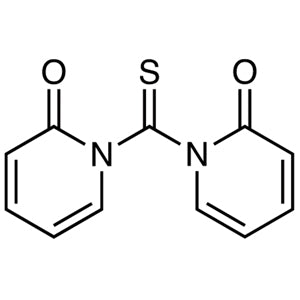
1,1'-Thiocarbonyldi-2(1H)-pyridone TCI T3644
Regular price From Rp 1.431.150,00Regular price -
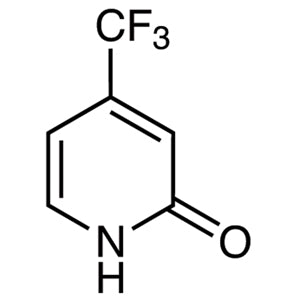
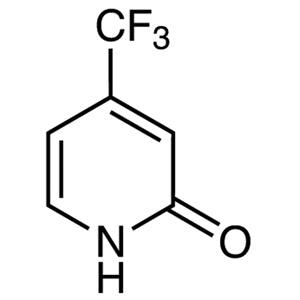
4-(Trifluoromethyl)-2-pyridone TCI T2790
Regular price From Rp 1.644.300,00Regular price -
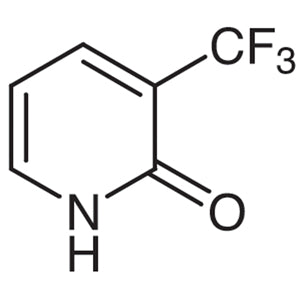
3-(Trifluoromethyl)-2-pyridone TCI T2600
Regular price From Rp 743.400,00Regular price