3-Cyano-1-ethyl-6-hydroxy-4-methyl-2-pyridone is a chemical compound widely used in laboratory settings for the synthesis of complex heterocyclic compounds. As a building block in organic chemistry, it plays a crucial role in the development of new materials, pharmaceuticals, and functional chemicals. Its unique molecular structure, featuring a pyridone ring with substituents such as a cyano group, hydroxyl group, and methyl group, allows for versatile chemical reactivity. This compound is essential for researchers aiming to construct intricate molecular frameworks through various synthetic pathways.
The compound’s high reactivity and compatibility with multiple chemical reactions, including substitution, condensation, and electrophilic reactions, make it a preferred choice in synthetic chemistry. Its ability to participate in diverse reaction mechanisms provides flexibility in designing new compounds. Additionally, its good solubility in organic solvents simplifies handling and purification processes in the laboratory. These properties contribute to its widespread use in both academic and industrial research environments.
In Indonesian laboratories, 3-Cyano-1-ethyl-6-hydroxy-4-methyl-2-pyridone is commonly utilized in organic chemistry research, particularly in universities and research institutions. It is a key reagent for students and scientists working on synthetic projects, offering a reliable and effective tool for constructing complex molecular structures. Its availability and performance make it a popular choice among researchers in the region.
Related TCI products
- TCI C2925 21642-98-8 3-Cyano-4-methoxy-2-pyridone
- TCI P0948 19006-82-7 6-Phenyl-2-pyridone
- TCI M0412 694-85-9 1-Methyl-2-pyridone
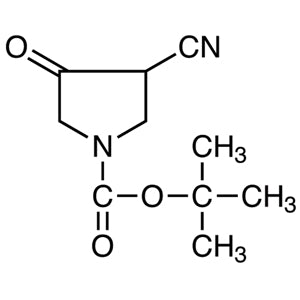
- TCI B4761 175463-32-8 1-tert-Butoxycarbonyl-3-cyano-4-pyrrolidone
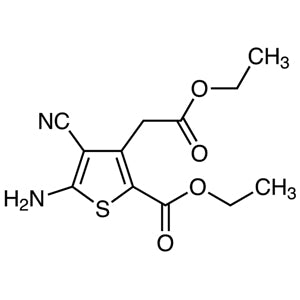
- TCI E0980 58168-20-0 Ethyl 5-Amino-4-cyano-3-(2-ethoxycarbonylmethyl)thiophene-2-carboxylate
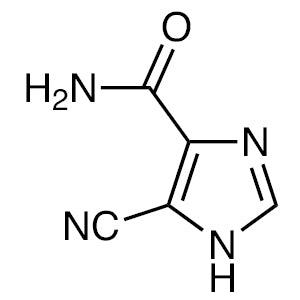
- TCI C1338 5372-23-6 5-Cyano-1H-imidazole-4-carboxamide
- Organic synthesis of heterocyclic compounds due to its versatile reactivity and structural versatility.
- Development of pharmaceuticals and functional chemicals as a building block for complex molecular frameworks.
- Research in material science for the creation of advanced polymers and chemical materials.
- Educational purposes in chemistry laboratories for teaching synthetic chemistry techniques.
- Analytical chemistry applications for the study of reaction mechanisms and molecular behavior.
| Brand | TCI |
|---|---|
| CAS number | 28141-13-1 |
| Molecular formula | — |
| Purity | — |
| Category | Chemistry > Building Blocks > Heterocyclic Building Blocks |
| Pack sizes | Available in various quantities as per supplier specifications |
| Physical form | Solid or liquid depending on the specific product variant |
| Storage | Store in a cool, dry place away from direct sunlight and moisture |
This compound should be stored in a cool, dry environment, away from direct sunlight and moisture. It is recommended to use airtight containers to prevent exposure to air and humidity. Proper ventilation is essential when handling the material to minimize inhalation risks. Avoid contact with skin and eyes, and use appropriate personal protective equipment such as gloves and safety goggles. It should be kept in a secure location, away from incompatible substances. Regular monitoring of storage conditions ensures the compound remains stable and safe for use in laboratory settings.
—
Produk Terkait
-
3-Cyano-4-methoxy-2-pyridone TCI C2925
Regular price From Rp 1.908.900,00Regular priceRp 1.350.300,00Sale price From Rp 1.908.900,00 -
6-Phenyl-2-pyridone TCI P0948
Regular price Rp 7.632.450,00Regular priceRp 5.352.900,00Sale price Rp 7.632.450,00 -
1-Methyl-2-pyridone TCI M0412
Regular price From Rp 1.908.900,00Regular priceRp 1.350.300,00Sale price From Rp 1.908.900,00 -
1-tert-Butoxycarbonyl-3-cyano-4-pyrrolidone TCI B4761
Regular price From Rp 742.350,00Regular priceRp 534.450,00Sale price From Rp 742.350,00 -
Ethyl5-Amino-4-cyano-3-(2-ethoxycarbonylmethyl)thiophene-2-carboxylate TCI E0980
Regular price From Rp 742.350,00Regular priceRp 534.450,00Sale price From Rp 742.350,00 -
5-Cyano-1H-imidazole-4-carboxamide TCI C1338
Regular price From Rp 928.200,00Regular priceRp 664.650,00Sale price From Rp 928.200,00 -
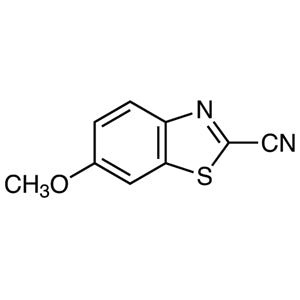
2-Cyano-6-methoxybenzothiazole TCI C1176
Regular price Rp 2.384.550,00Regular priceRp 1.683.150,00Sale price Rp 2.384.550,00