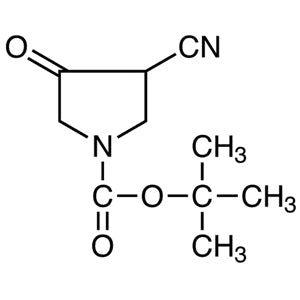
1-tert-Butoxycarbonyl-3-cyano-4-pyrrolidone is a chemical compound widely used in organic reactions, particularly in the synthesis of heterocyclic compounds. This versatile building block plays a crucial role in laboratory settings where the creation of complex molecular structures is required. Its unique chemical structure allows it to participate in various synthetic pathways, making it an essential tool for chemists working on advanced organic transformations. As a key intermediate, it enables the development of new compounds with potential applications in pharmaceutical and materials science research.
The compound is valued for its stability under controlled conditions and its ability to undergo a range of chemical reactions, including hydrolysis, substitution, and condensation. These properties make it a preferred choice for researchers aiming to achieve high precision and reproducibility in their experiments. Additionally, its reactivity with multiple functional groups allows for the synthesis of diverse molecular architectures, enhancing its utility across different research fields. The compound’s predictable behavior and compatibility with various reagents further contribute to its reliability in laboratory applications.
In Indonesian laboratories, 1-tert-Butoxycarbonyl-3-cyano-4-pyrrolidone is commonly used in scientific research, particularly in academic and industrial settings. Its application is widespread in the development of new drugs and materials, supporting both fundamental and applied research. Due to its importance in organic synthesis, it is frequently utilized in laboratories that focus on pharmaceutical chemistry and advanced chemical engineering. Its availability through suppliers like AMI Scientific ensures that researchers have access to this essential compound for their work.
Related TCI products
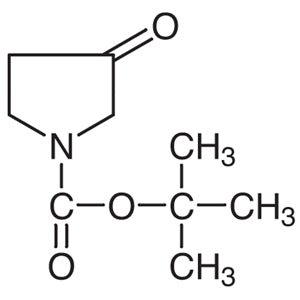
- TCI B3589 101385-93-7 1-tert-Butoxycarbonyl-3-pyrrolidone
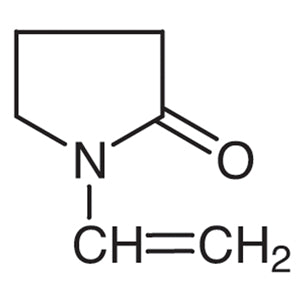
- TCI V0026 88-12-0 1-Vinyl-2-pyrrolidone (stabilized with N,N'-Di-sec-butyl-p-phenylenediamine)
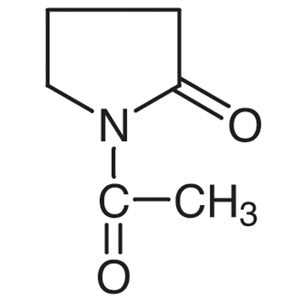
- TCI A1418 932-17-2 1-Acetyl-2-pyrrolidone
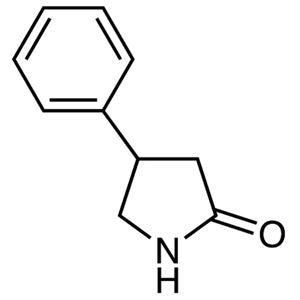
- TCI P2727 1198-97-6 4-Phenyl-2-pyrrolidone
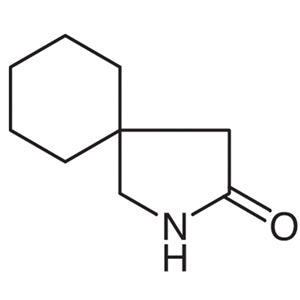
- TCI P1695 64744-50-9 4,4-Pentamethylene-2-pyrrolidone
- TCI P0575 616-45-5 2-Pyrrolidone
- Organic synthesis of heterocyclic compounds due to its reactivity and structural versatility.
- Pharmaceutical research for the development of new drug molecules with complex ring structures.
- Advanced chemical engineering projects requiring precise molecular building blocks.
- Academic research in chemistry and pharmacology for experimental and theoretical studies.
- Industrial applications in the production of specialty chemicals and functional materials.
| Brand | TCI |
|---|---|
| CAS number | 175463-32-8 |
| Molecular formula | — |
| Purity | — |
| Category | Chemistry > Building Blocks > Heterocyclic Building Blocks |
| Pack sizes | Available in various quantities as per supplier specifications |
| Physical form | Solid (as per standard product description) |
| Storage | Store in a cool, dry place away from direct sunlight |
This compound should be stored in a cool, dry environment, away from direct sunlight and sources of heat. It is recommended to use airtight containers to prevent moisture absorption and contamination. Due to its chemical reactivity, it should be handled with appropriate personal protective equipment, including gloves and safety goggles. Storage conditions should ensure that the material remains stable and retains its chemical integrity. Proper labeling and segregation from incompatible substances are essential to maintain laboratory safety. Regular monitoring of storage conditions is advised to ensure optimal preservation of the compound.
—
Produk Terkait
-
1-tert-Butoxycarbonyl-3-pyrrolidone TCI B3589
Regular price From Rp 582.750,00Regular priceRp 423.150,00Sale price From Rp 582.750,00 -
1-Vinyl-2-pyrrolidone(stabilizedwithN,N'-Di-sec-butyl-p-phenylenediamine) TCI V0026
Regular price From Rp 530.250,00Regular priceRp 386.400,00Sale price From Rp 530.250,00 -
1-Acetyl-2-pyrrolidone TCI A1418
Regular price From Rp 1.776.600,00Regular priceRp 1.257.900,00Sale price From Rp 1.776.600,00 -
4-Phenyl-2-pyrrolidone TCI P2727
Regular price From Rp 1.510.950,00Regular priceRp 1.072.050,00Sale price From Rp 1.510.950,00 -
4,4-Pentamethylene-2-pyrrolidone TCI P1695
Regular price Rp 928.200,00Regular priceRp 664.650,00Sale price Rp 928.200,00 -
2-Pyrrolidone TCI P0575
Regular price From Rp 530.250,00Regular priceRp 386.400,00Sale price From Rp 530.250,00 -
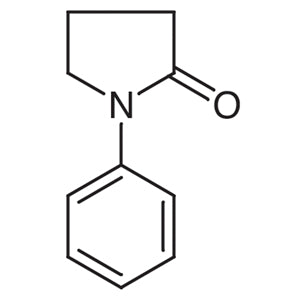
1-Phenyl-2-pyrrolidone TCI P0319
Regular price Rp 928.200,00Regular priceRp 664.650,00Sale price Rp 928.200,00 -
1-n-Octyl-2-pyrrolidone TCI O0325
Regular price From Rp 557.550,00Regular priceRp 405.300,00Sale price From Rp 557.550,00